Window 2's 'Sea of Mechanisms' Closes After 53 Hours — the Tower Left Changed, Not Gone
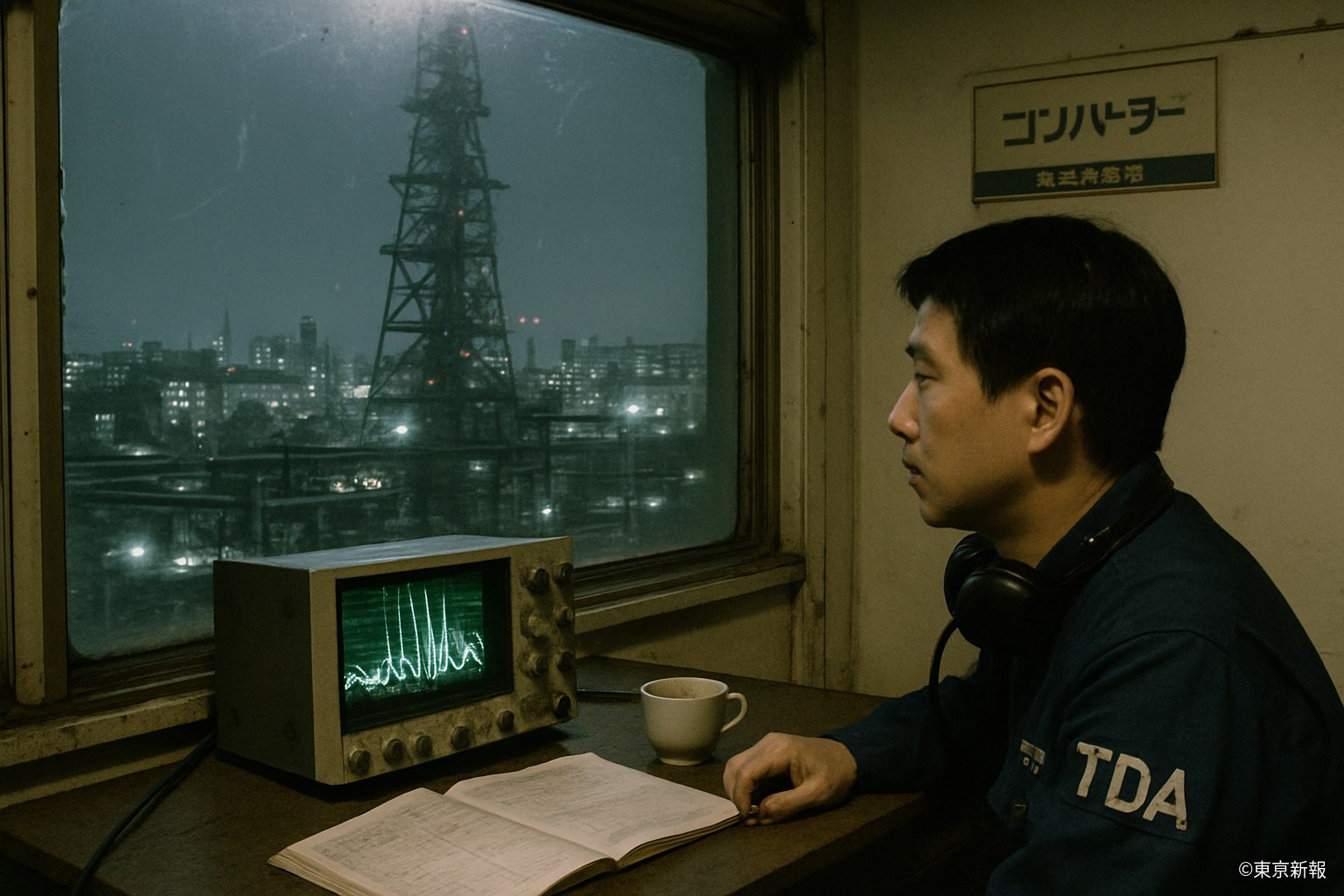
Stable Window 2 in the bayside warehouse district, open at unprecedented length, closed at 9:15 p.m. on the 9th after roughly 53 hours — the longest opening ever recorded at any of the five stable windows. The tower-like structure previously reported was seen slightly lower than its peak height when observation ended, leaving open whether it had collapsed or simply changed shape. The Dimensional Survey Division released details on the 10th.
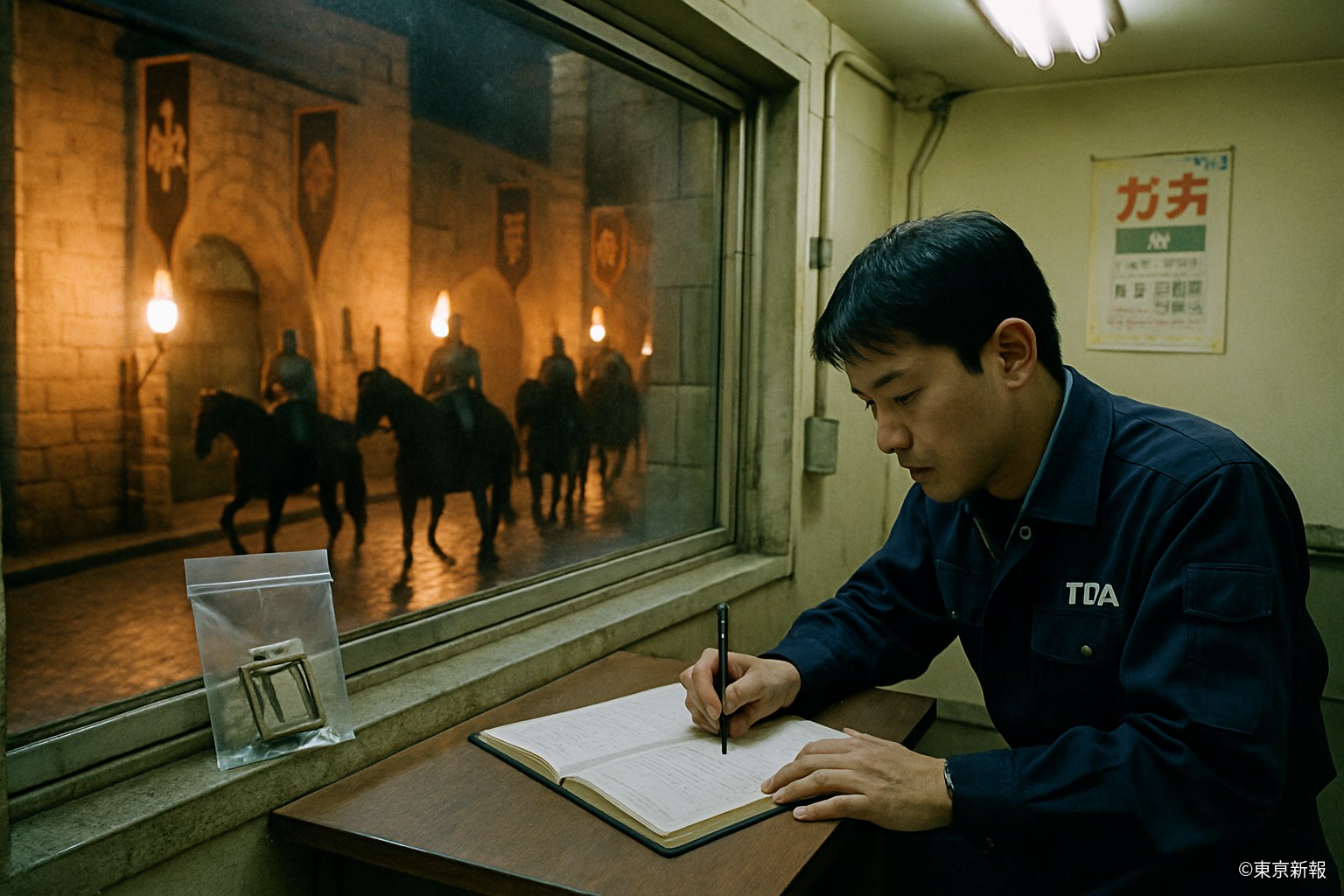
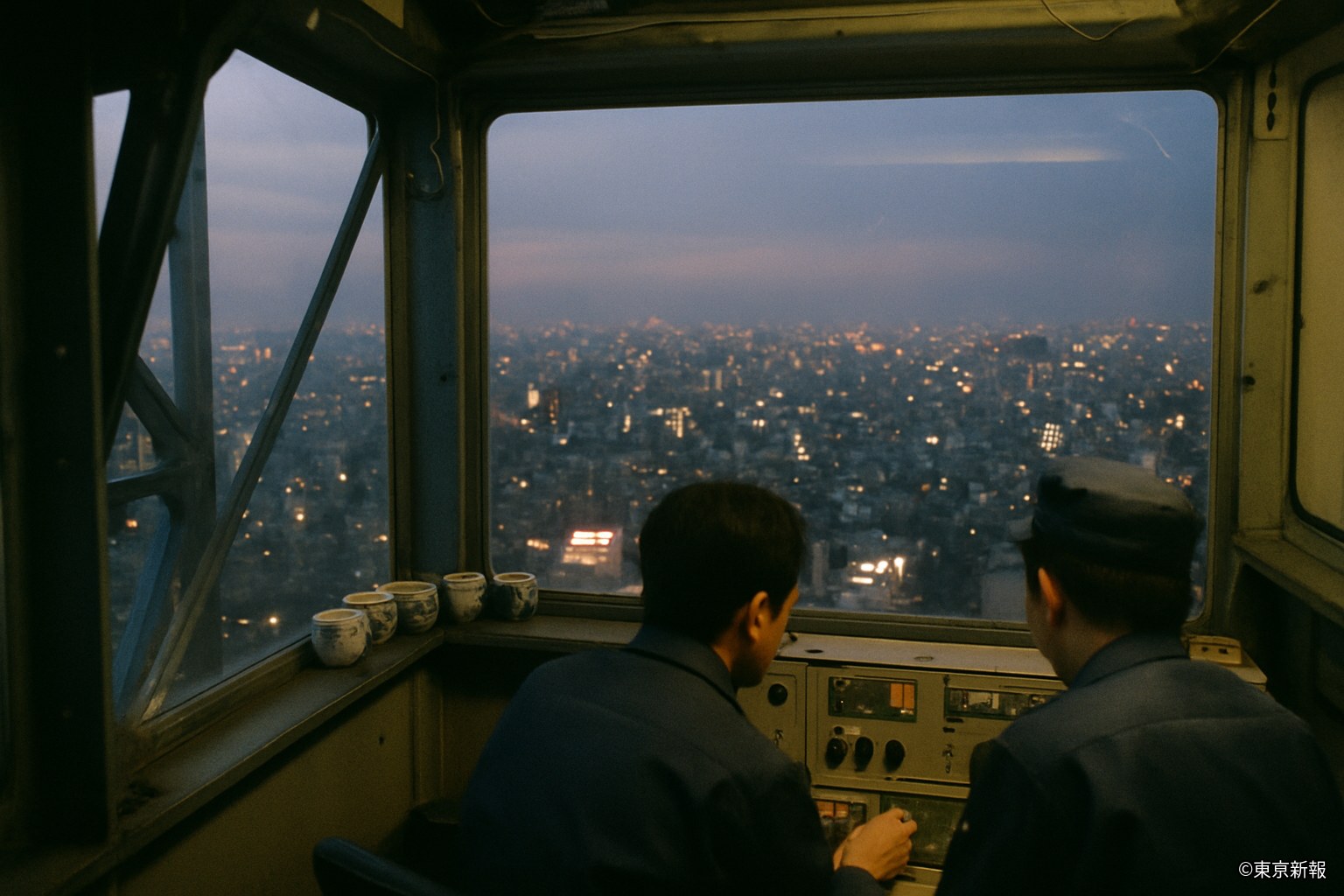
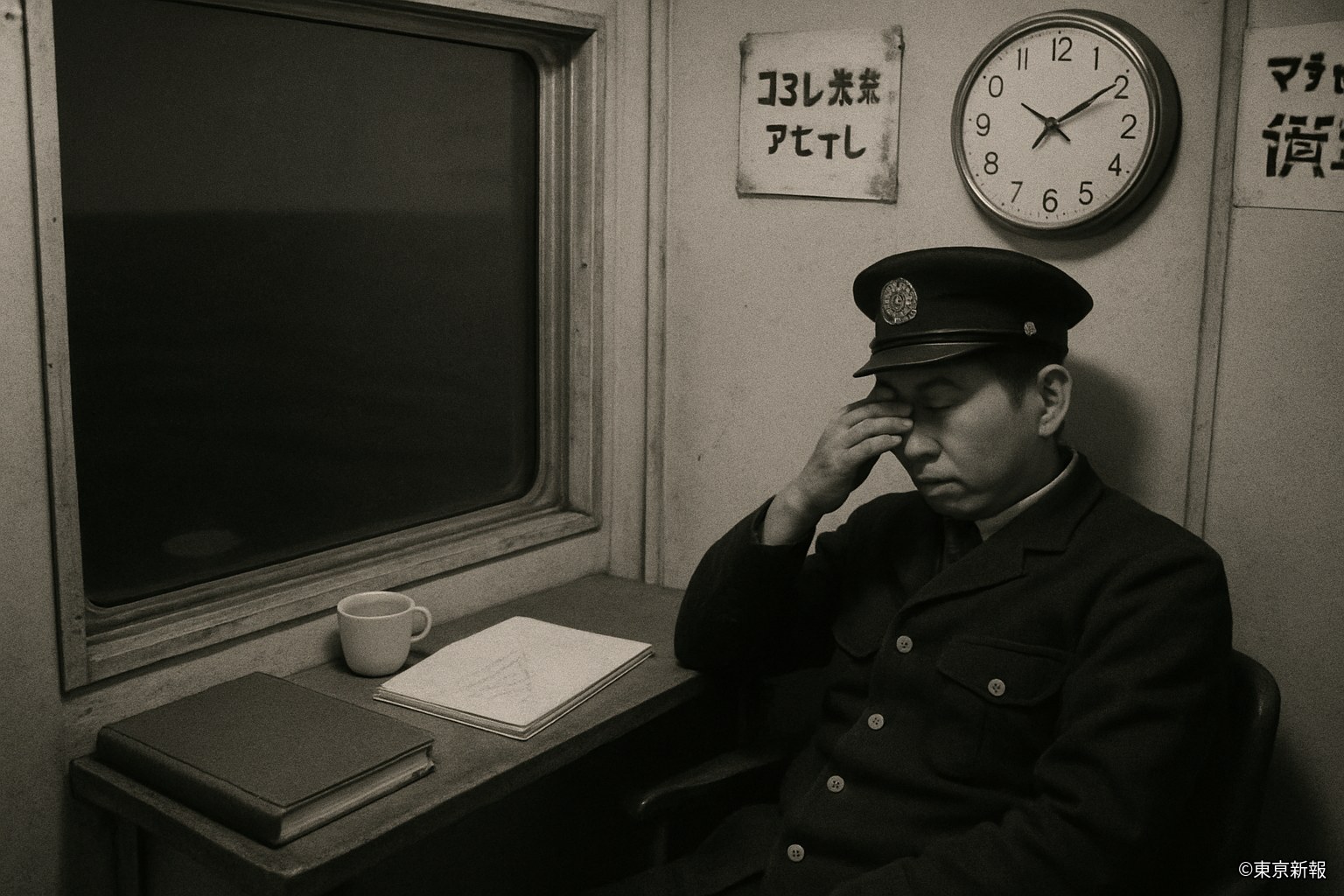
Stable Window 2, set into the back wall of Warehouse No. 4 in the bayside warehouse district, closed quietly at 9:15 p.m. on the 9th, roughly 53 hours after it opened at 6:22 p.m. on the 7th. According to the Dimensional Survey Division, no sign of closing was recorded in the run-up to that moment; staff say they kept watch under the same tension throughout, never knowing when it might end.
"There was no sound when it closed," said the keeper on duty, 29. "The scene beyond the glass just quietly returned to the ordinary dark water of the warehouse district." The log entry read simply: "21:15, closed. Tower, still standing (height unknown)."
Of the five stable windows, the previous longest opening on record was Window 5's three hours and twenty minutes, previously reported. The 53-hour opening far surpasses that, becoming the longest ever recorded across all five windows. "We've never had an opening this long where the quality of observation didn't degrade," the Division said, adding that whether the length reflects something particular to this lineage, or an unknown factor like season or air pressure, "remains something we simply cannot say."
As previously reported, between the night of the 7th and the early hours of the 8th, a swarm believed to consist of self-repairing machines raised the largest tower-like structure yet seen at the site. According to the Division, the tower observed just before closing stood roughly 20 percent lower than its peak height. The rearrangement of its panel-like surfaces continued right up to the close, and whether this meant collapse or simply a change of shape "can't be determined even reviewing the footage again," officials said. "It looked less like falling apart and more like folding itself away," the keeper said. "But that, too, is a judgment from our side."
The synchronized "call-and-response" pattern among multiple swarms, previously reported, continued intermittently until the window closed. The Division said on the 9th that it has sent the recorded acoustic data to a specialist research institute, with results expected to take several months. "Whether the synchronization is tied to the tower's construction, or just two separate things that happened to overlap, we can't say with what we have now," an official said.
The Division has said it plans to convene an outside advisory panel before year's end to weigh the appropriateness of continued observation alongside its policy for long, dense openings. On the 10th it formally announced the panel's first meeting for November. "It's precisely because of the observation record we'd built up that we could say with confidence that both this 53-hour opening and Window 5's three hours and twenty minutes, previously reported, were different from anything before," an official said. "We want the panel to weigh even the question of whether to keep observing at all."
Window 2 remained closed as of the morning of the 10th, with no indication of when it might open again. On inquiries from vendors of window-themed merchandise, the Division said the handling of official imagery, including from this event, remains under review. "For 53 hours, they were living their own time over there," this reporter noted. "All we could do on this side was keep the record."