The Bell Code Enters Full Service From the 1st, With a Trial App Link for High-Rises
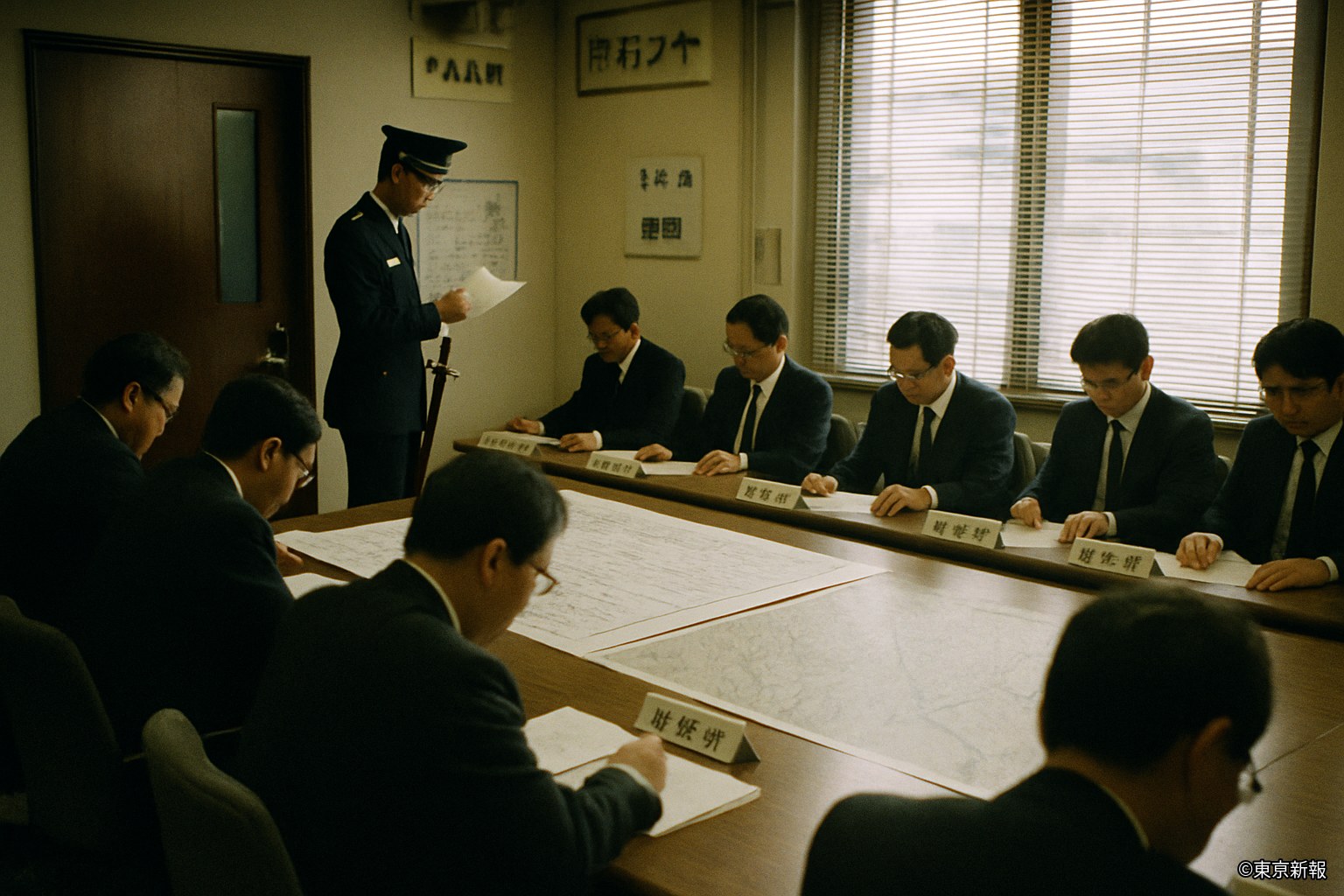
The TDA and the city formally incorporated the 'bell code' — the Yuragi-warning system — into the disaster radio network from October 1 and began full operation. To address issues that surfaced in September's test broadcast, including the code being inaudible in high-rise interior hallways and roughly half of younger residents not knowing what the beats mean, the city has also begun a trial link with the forecast app 'Mado-ban.'
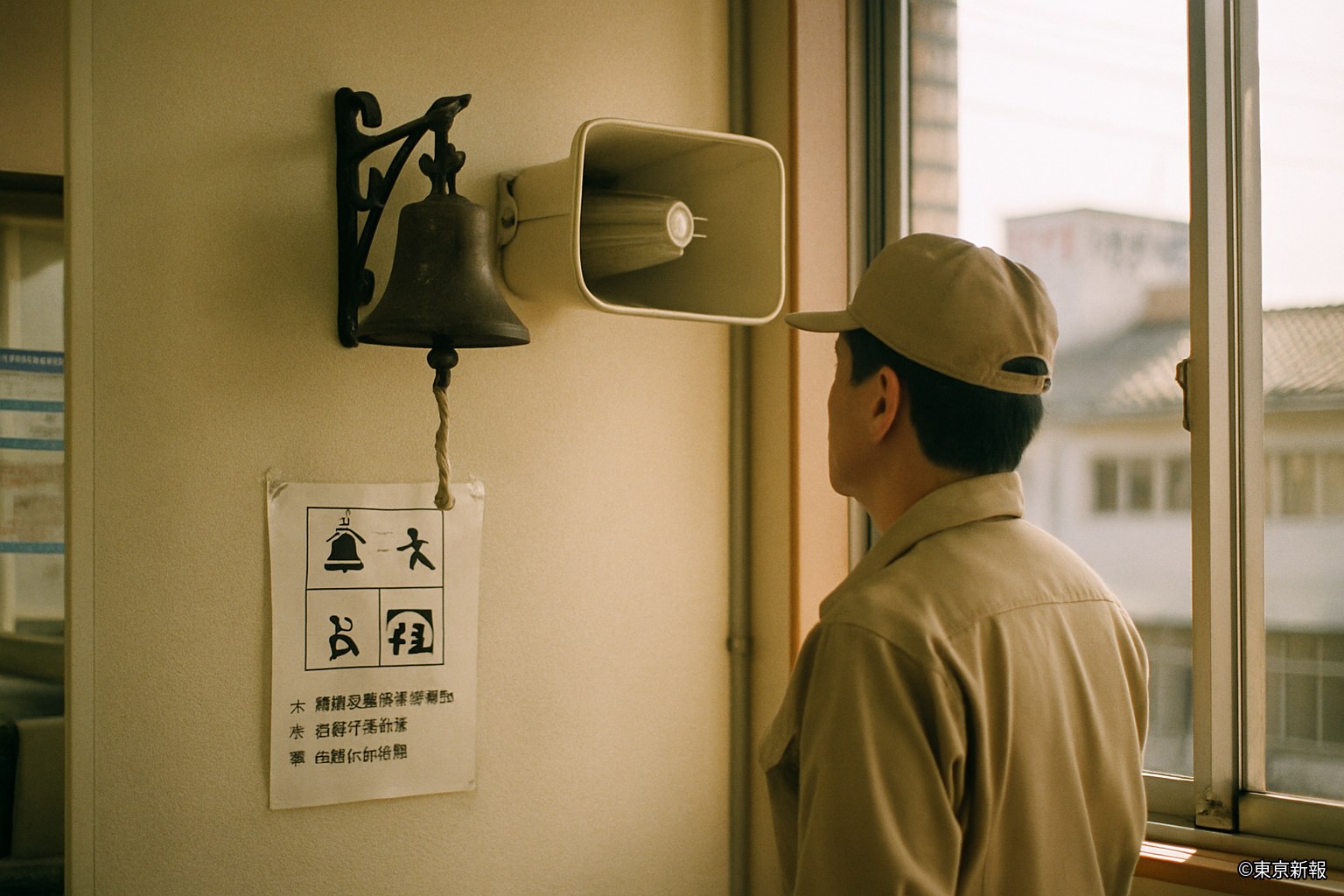
As previously reported, the bell code — first test-broadcast across the bay-area districts of Shiomi, Fukagawa, and Sunamachi on September 3 — was formally incorporated into the disaster radio network as of October 1, and full operation has now begun. The meaning of the signal remains unchanged from the test: one beat for caution, two for alert, three for evacuation. A city official said, "We're only now moving to full operation, after working through the issues raised during the test phase."
The most common complaint from September's test was that the sound was hard to hear in the interior hallways of high-rise buildings. In response, the city will progressively add small speakers to the common corridors of roughly 40 target apartment buildings in the bay area through October, and has also begun a trial link with the smartphone forecast app "Mado-ban," previously reported. Under the system, when the bell sounds, app users on a registered device receive a notification showing the number of beats and their meaning — for now limited to a trial covering roughly 3,200 registered users in the bay area.
After a survey during the September test found that roughly half of younger respondents did not know what the beat counts meant, the board of education has, as previously reported, decided to add the subject to school disaster-prevention education. Starting this month, elementary and junior high schools in the bay area will progressively hold lessons on the origin of the bell code — a warning method dating to the era of the reception camps — and what the different beat counts mean. A teacher in charge of disaster preparedness at a Fukagawa municipal elementary school said, "The children aren't startled by the sound of the bell itself. If anything, they're more curious about the history — how people used to ring it long ago."
A resident in his sixties who runs a general store on Shiomibashi-dori shopping street said, "During the test broadcast I didn't know what the sound was and it threw me a little, but once you know what it means, it's just a signal — and honestly easier to take calmly than a siren." An office worker living in a bay-area high-rise, however, pointed to a remaining issue: "The app link helps, but a lot of people probably have notifications turned off. In the end, I think the hallway speakers are what people will actually rely on."
The bell code, as previously reported, originated as a warning method born in the era of the reception camps, and has now been folded, half a century later and in a changed form, into the modern disaster radio network. A city disaster-preparedness official said, "For generations used to sirens and synthesized voice alerts, it may sound new. But I'm told that for first-generation Drifters, it's closer to a familiar, even nostalgic sound." Tane Kishitani, 101, a first-generation Drifter, once said on another occasion, "When I was in the reception camp, that bell decided the shape of the whole day. There was a time it frightened me, but now it just sounds like a signal."
The city and the TDA plan to review actual activation records and resident reactions roughly three months after the start of full operation, and decide then whether to expand the speaker installations and the app-link trial to other areas. The previously floated idea of expanding the system's range to coincide with the autumn disaster drill is also expected to be decided based on this review.