'Window Treaty' talks: Amerian delegation arrives in Tokei as the government is squeezed between an ally's demands and Nordia's call for full disclosure
A delegation from the United States of Ameria, Hinokuni's ally, arrived in Tokei on the 9th for talks on the 'Window Treaty', which would set the terms for transferring stable-window technology and ban its military use. Ameria wants priority transfer to allies; the Nordia Union, leader of the disclosure camp, wants full disclosure and a complete ban. Caught between the two, the government has yet to settle its position, and 'window diplomacy' will dominate the autumn session of parliament.
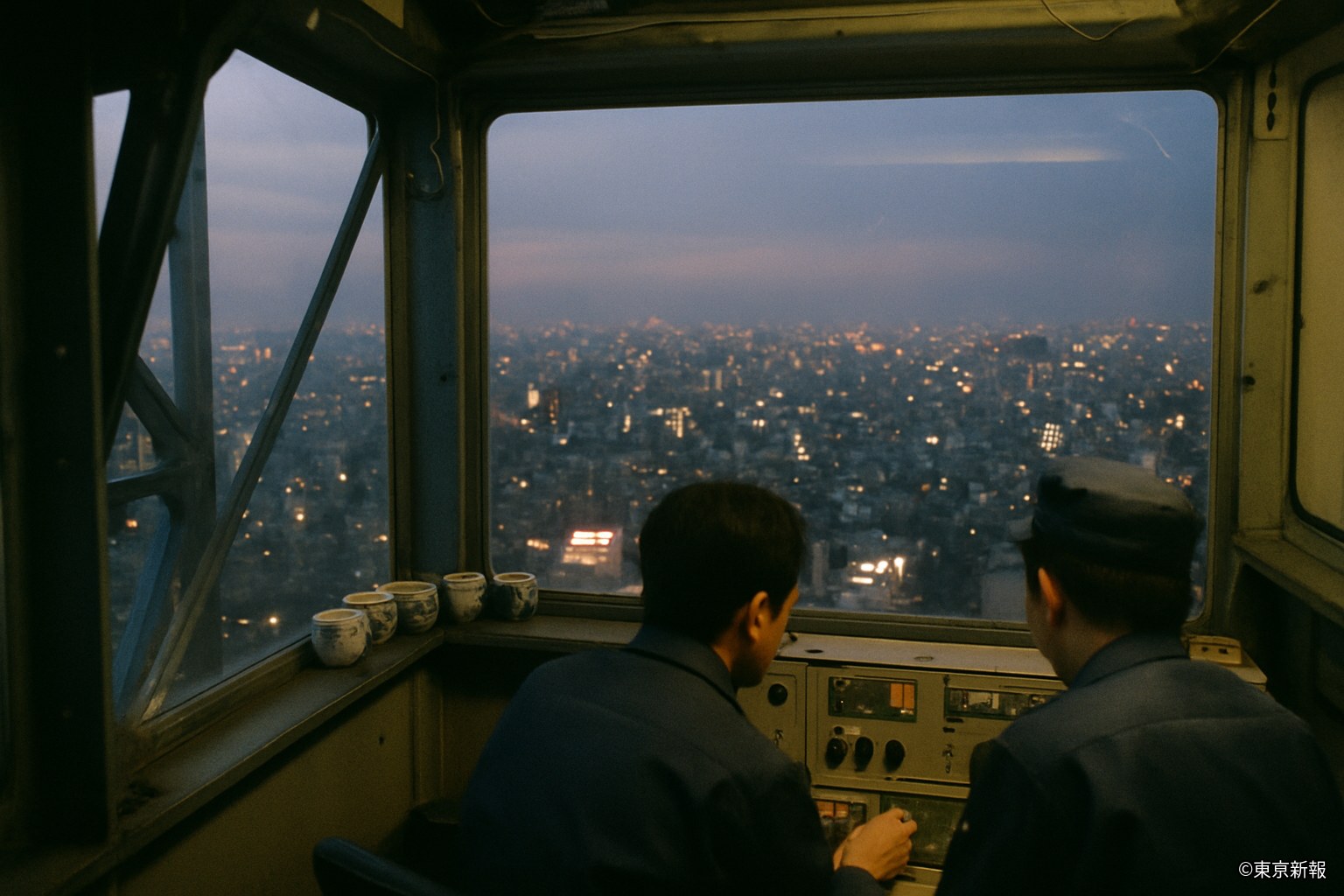
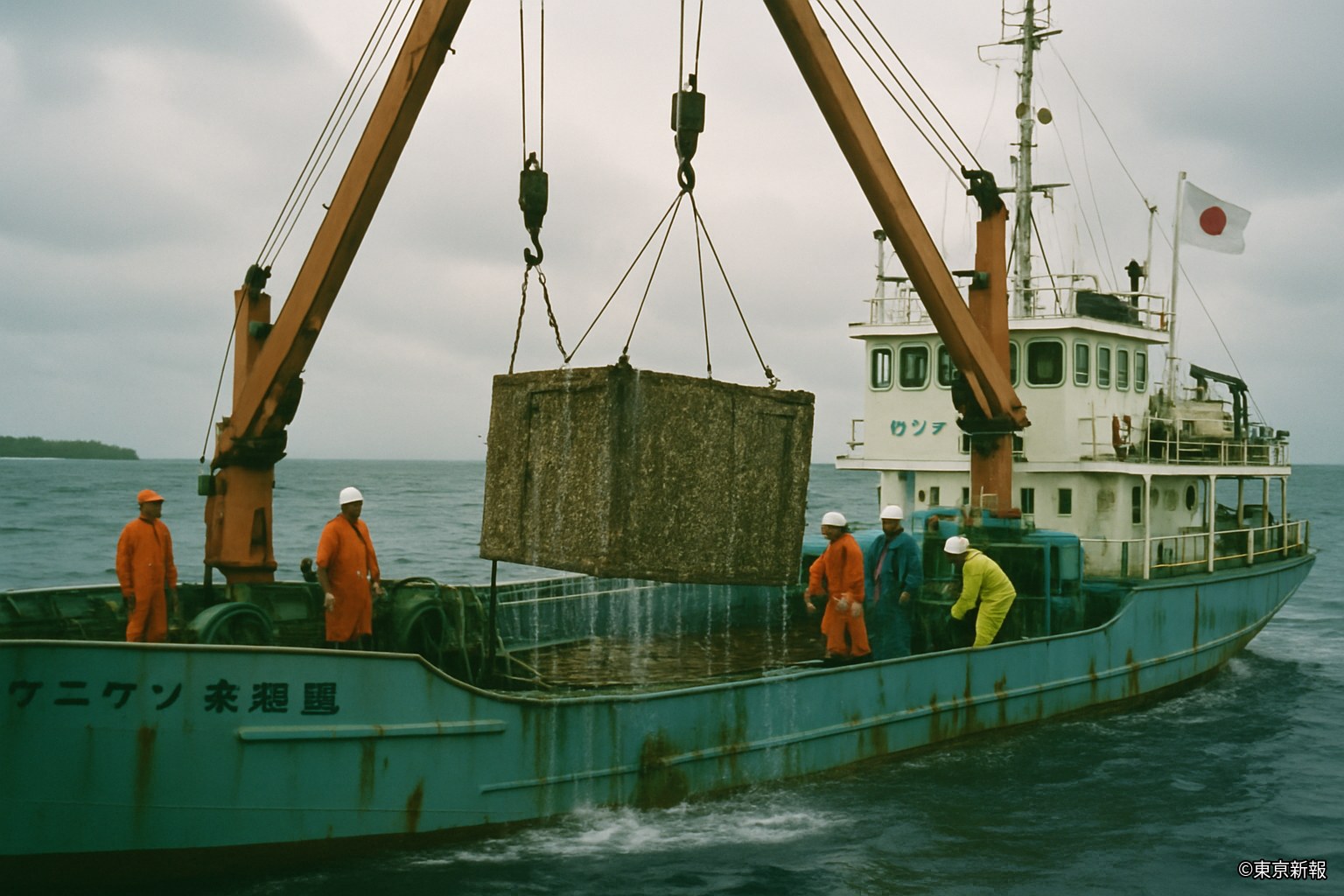
The delegation of twelve, led by an under-secretary of state, landed at Haneda on the morning of the 9th and entered the first working session at the foreign ministry that afternoon. Three days of talks are scheduled, on how much of the design of the window rig — the observation apparatus of a stable window — may be transferred, to which countries, and on what terms.
Ameria last year identified a candidate site for a recurring Yuragi in its Great Plains band, and is in a hurry to have a stable window of its own. It wants "priority transfer to allies" and a "security exception" written into the treaty. According to foreign ministry sources, the delegation put it this way: "The window rig is Hinokuni's invention, but the Yuragi is a phenomenon of all humanity."
Ameria is Hinokuni's principal ally and the largest export market for its observation instruments. It is a hard country to refuse.
The Nordia Union, standard-bearer of the disclosure camp, issued a statement last week that stable-window technology "should be released to all member states simultaneously, and military use banned without exception". The statement named Hinokuni and concluded that "the Yuragi power has a responsibility to set the example". The disclosure camp — Canadia, Francé, Deutsche, the Kingdom of Rukai, Aotea and others — is the largest bloc by membership.
The Federal Republic of Deutsche also supplies the precision optics in the window rig, and is understood to have said informally that it will not supply parts under a treaty that "opens the way to military use". Hinokuni's rigs cannot be built without Deutsche optics and Tai'ei semiconductors.
The sovereignty camp — Genshu and the Rus Federation — is keeping its distance from the negotiation itself. Genshu's foreign affairs department said observation "belongs to the sovereignty of each state; a treaty that dictates the design of other countries' windows is unnecessary". Yet Genshu holds the world's second-largest band in the Weishui Corridor and is believed to have several candidate sites. Some in the ministry think that if Hinokuni's technology is released, Genshu will be the first to catch up.
On the 9th the government said only that it would "negotiate in line with the principle of peaceful use of the Yuragi, while listening to all parties". Within the governing party, diplomats who prize the alliance are at odds with members attuned to a public that favours disclosure. The opposition wants the observation-data disclosure bill debated before the treaty.
The city's reaction is calm. Among visitors at Window 1: "Any country can look at the city over there. Nobody can shoot through it," said a company employee, 45. "It's odd that it's our window and other countries get to decide first," said a student, 20.
The TDA's Dimensional Survey Division is not directly involved. Its head told this paper: "A window is an instrument for seeing. Whichever country looks, it sees the same city. Please have the argument about technology on the political side." The talks run until the 11th; on the 10th the delegation is to visit Window 1 off Haneda.