Spring-Tide Observation Campaign Ends After Three Days; Results Due No Earlier Than Late September

The spring-tide observation campaign that began on September 5 concluded its three-day run on the evening of the 7th. Working along the same stretch of waterfront as the Arrival Remembrance Day ceremony, coordination through a joint field office prevented major disruption. The permeation index stayed largely at "medium" level throughout, and results are not expected before late September at the earliest.
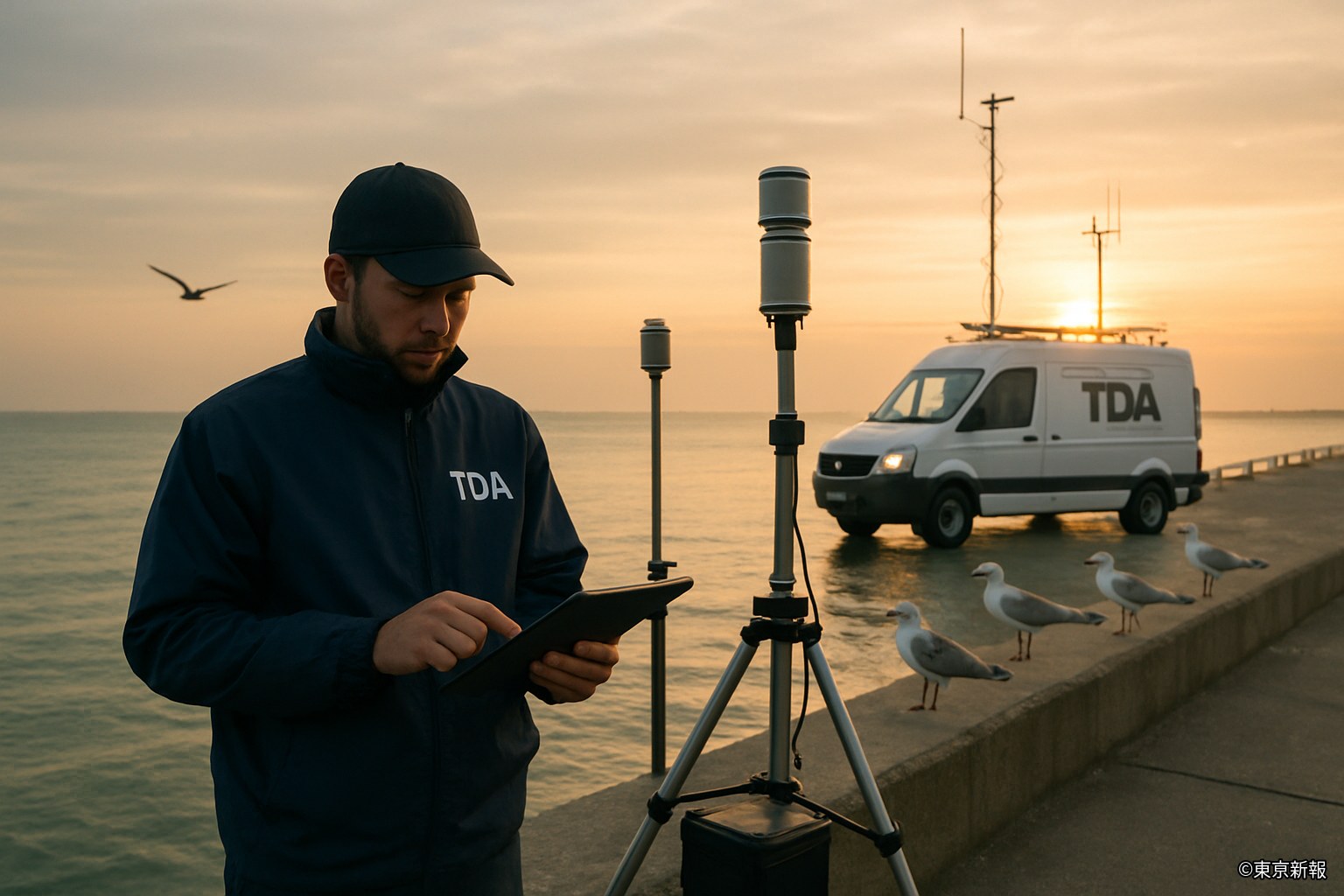
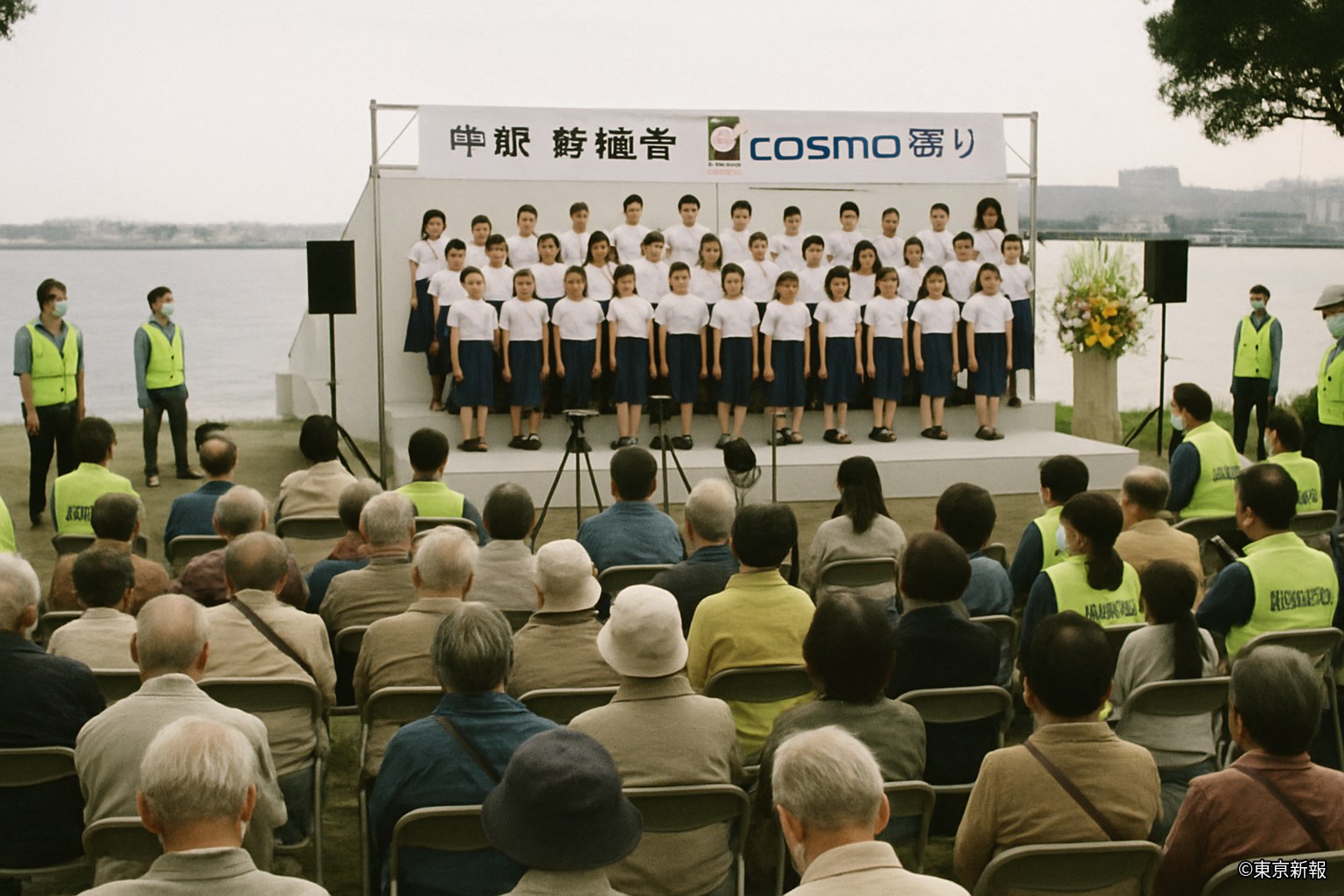
The spring-tide observation campaign that began on September 5 wrapped up its three-day run on the evening of the 7th. TDA's forecasting division said the two temporary observation points and two mobile observation vehicles operated as planned throughout, with no major equipment problems reported. As previously noted, the final day's work overlapped with the Arrival Remembrance Day ceremony along the same stretch of waterfront, and coordination through the joint field office with the civic engagement division kept observation-vehicle movements away from the ceremony's peak arrival times. "The observation itself is an unrelated calendar coincidence," a TDA spokesperson said, "but this was the first time we've coordinated at the operational level, since we were moving through the same space."
Across the three days, the permeation index in the bay area stayed largely within the "medium" range. Aside from the previously reported brief, sub-threshold reading equivalent to "high alert" recorded before dawn on the 6th, no notable movement was observed, and no significant change was recorded from morning through evening on the 7th either. TDA maintained its position from the 6th that it does not view the reading as a sustained rise, and said as the campaign closed that "there was nothing out of the ordinary in the index throughout the observation period."
Asked about the scale of the data gathered, TDA's forecasting division said that, while not measured in chart-paper terms, it was "far smaller in both duration and equipment than the roughly 310 reels and 1,400 hours being handled under the Nine-Day Fog magnetic-tape reanalysis project." Still, with two temporary observation points and two mobile vehicles recording almost continuously for three days, officials expect storing and organizing the data alone to take several days. "We don't want to release preliminary figures and correct them later," an official repeated. "We'll speak once the cross-check against tide data is complete."
Some in the area voiced mixed feelings about having observation vehicles and equipment stationed along the waterfront for three straight days. One local fishing worker said, "It's a familiar sight, but with the ceremony overlapping this time and more people coming and going, it honestly felt unsettled." The same person added, "Still, seeing this much equipment mobilized every time there's a spring tide, you can tell they're trying to actually look, even if they don't understand it yet." TDA's forecasting division said, "These three days were only possible because of the understanding of the local community."
Asuka Urato, the ocean physicist from Wanyo University who led the campaign, has framed it as the first test of her tidal-correlation hypothesis. Speaking on the 7th, she said, "Being able to read something and being able to understand it are two different things," and estimated that cross-checking the three days of observation data against tide records would take several weeks. Results are expected no earlier than late September, with TDA saying it would rather wait until the cross-checking is complete than offer preliminary comments. As previously reported, this campaign uses different equipment and serves a different purpose from the ongoing Nine-Day Fog magnetic-tape reanalysis project, and TDA plans to keep the two clearly separated under their current names to avoid confusion.
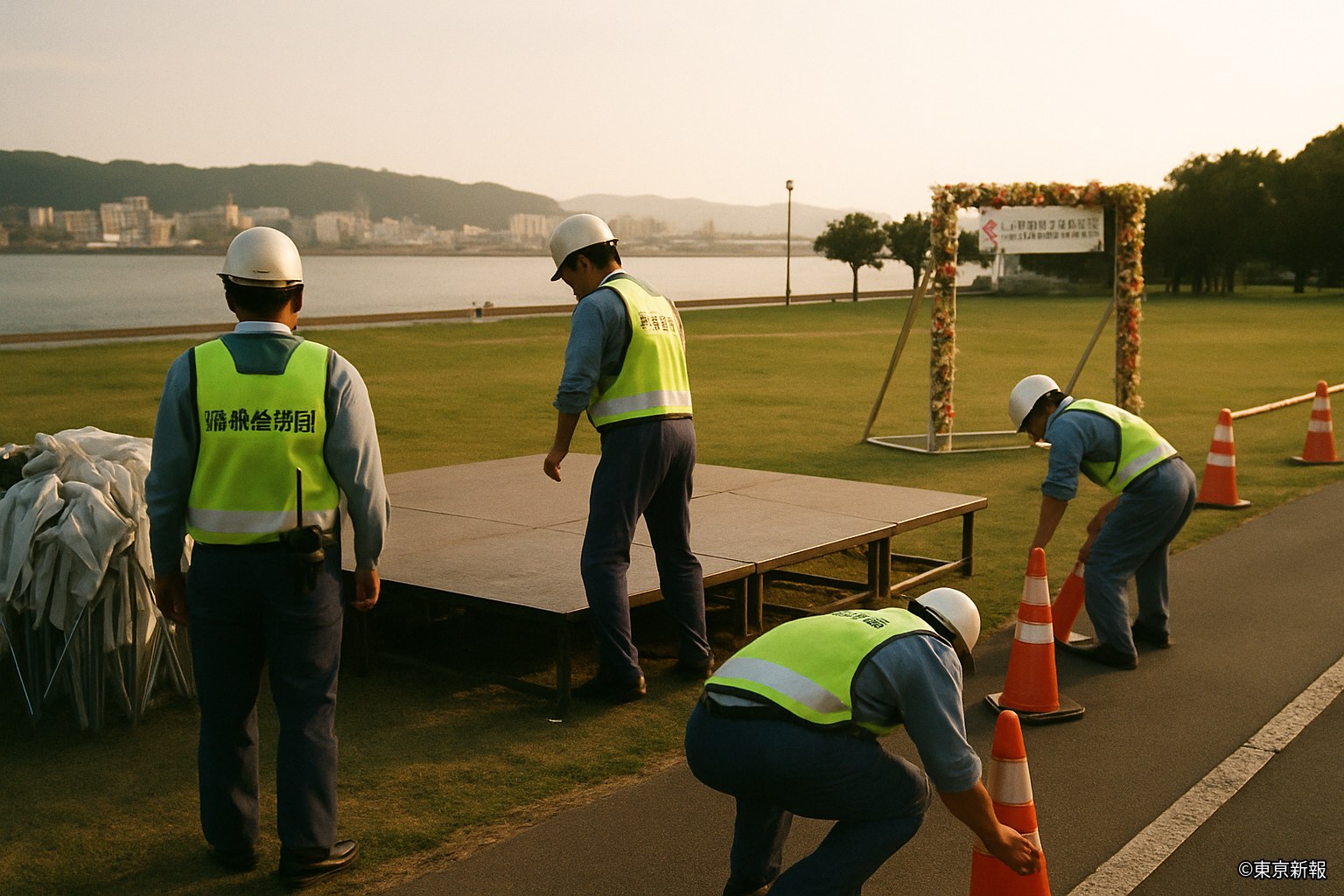
The temporary observation points and mobile vehicles will be dismantled in stages following the end of observation on the evening of the 7th. The makeshift equipment along the Shiomi and Fukagawa waterfronts is expected to be fully removed within the week. "We're grateful to the local residents who cooperated with us these three days, even as preparations for the ceremony overlapped with our work," a TDA forecasting official said.