Spring-Tide Campaign's Second Day Holds at "Medium," With a Brief Overnight Spike
The intensive spring-tide observation campaign that began on the 5th continued to register "medium" readings in the bay area on its second day, the 6th. A brief overnight reading equivalent to "caution" level was recorded, though it did not last long enough to trigger a formal level change; TDA says it does not read the reading as a sustained rise. The campaign's final day, the 7th, overlaps with Sunday's ceremony.
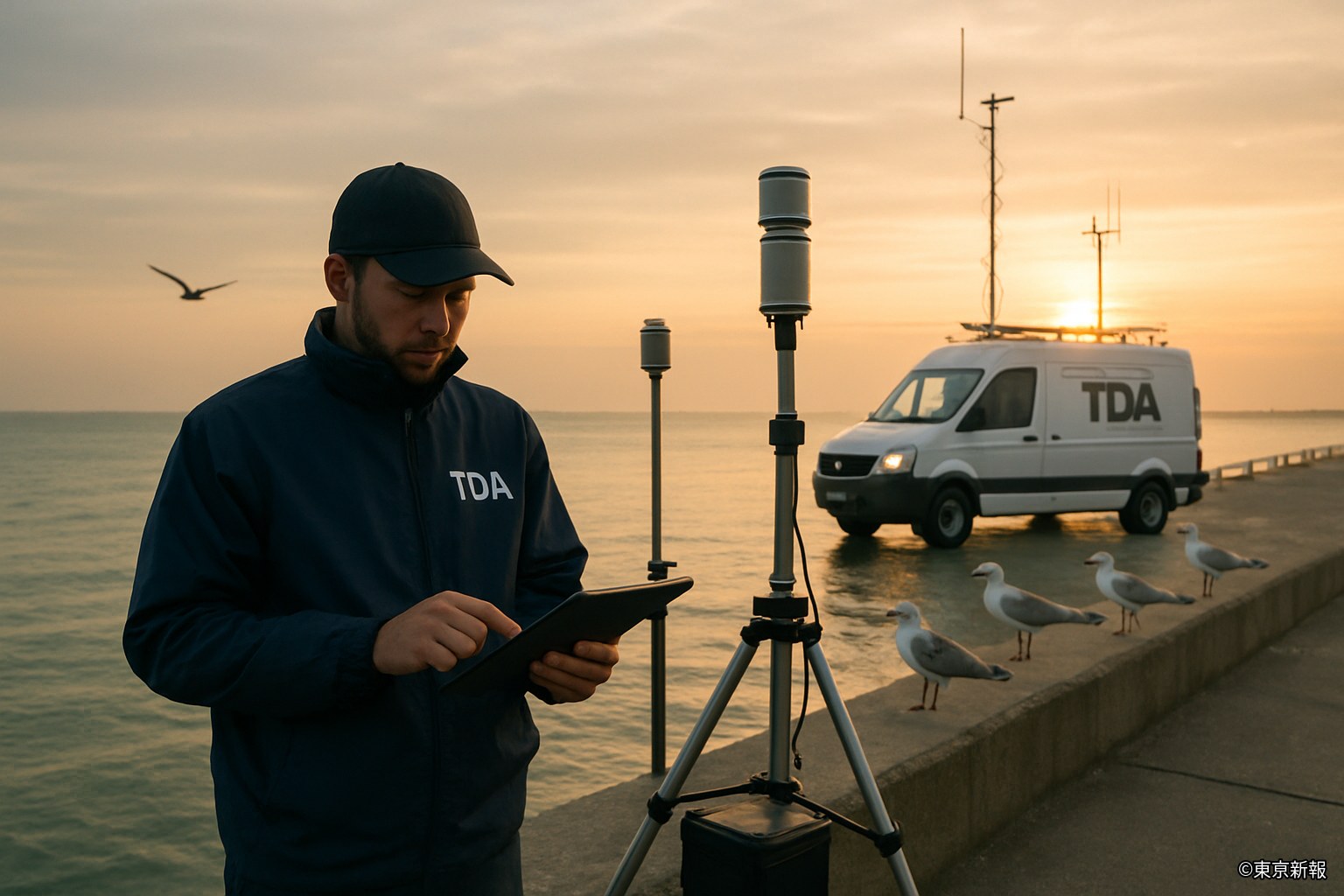
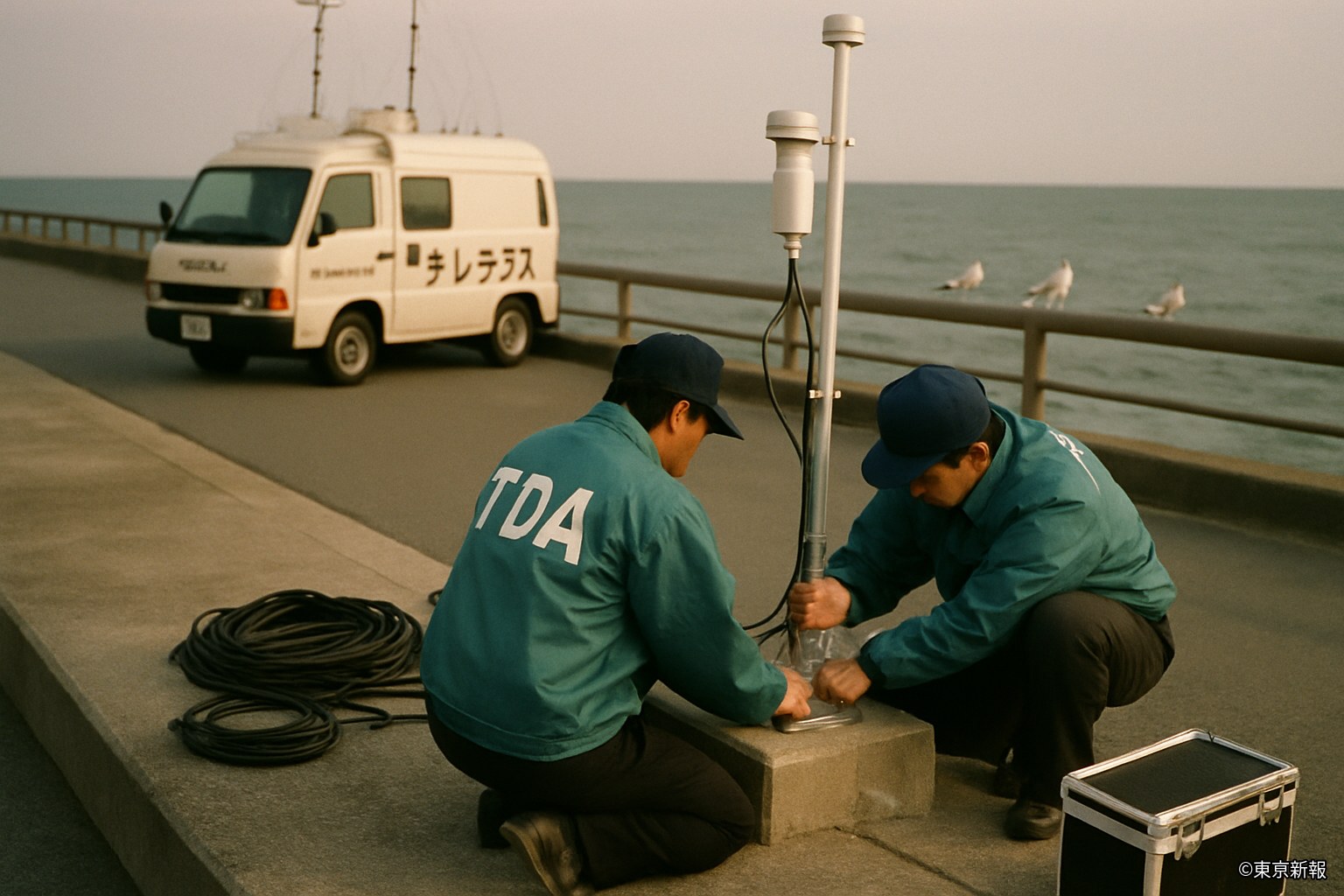
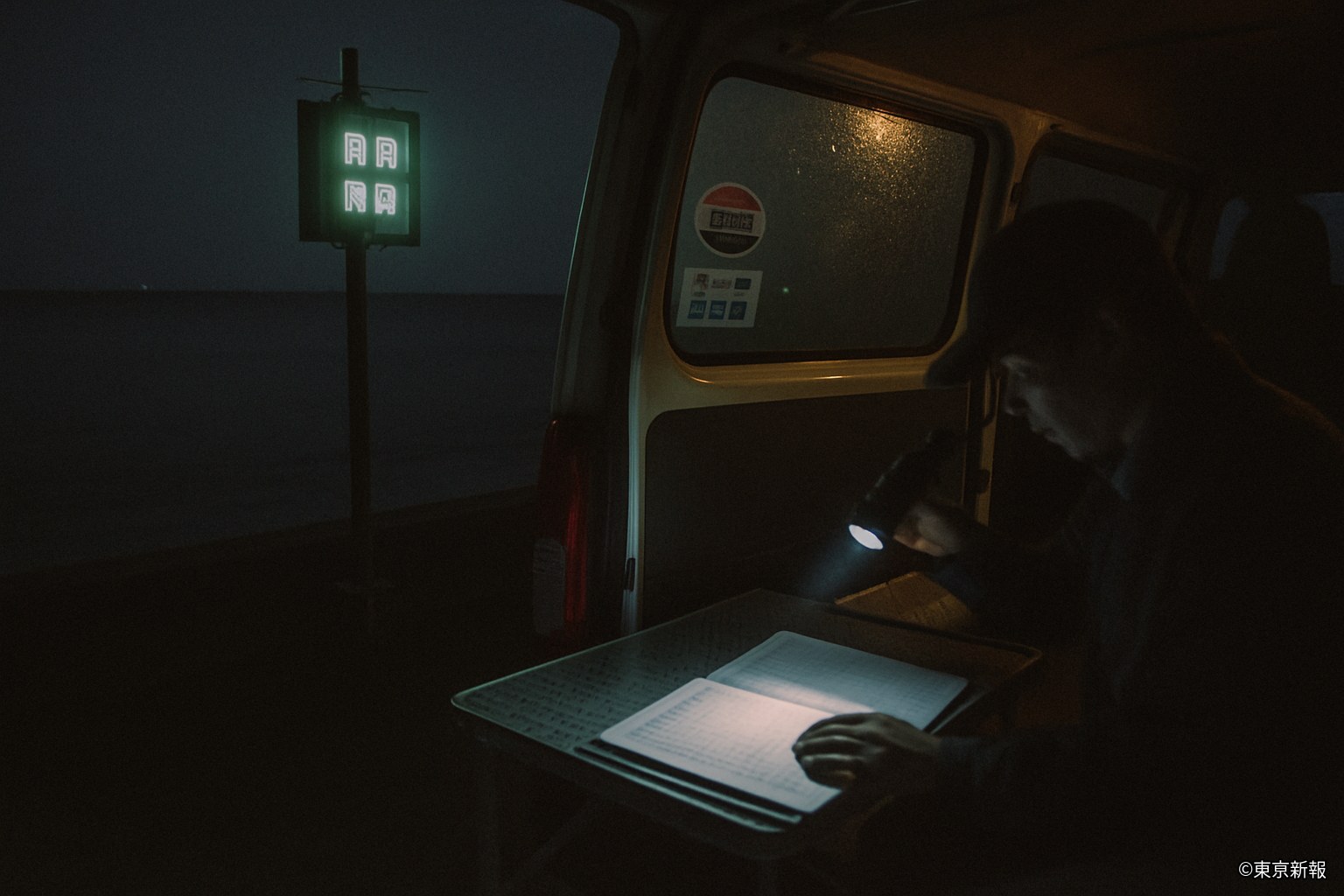
The intensive spring-tide observation campaign that began at 6 a.m. on the 5th, as previously reported, entered its second day on the 6th. According to the temporary stations at the Shiomi and Fukagawa seawalls, a brief reading equivalent to "caution" level was recorded around 2 a.m. on the 6th, though it did not persist long enough to meet the duration threshold for a formal level change. "Because it didn't meet the threshold, the displayed index stays at 'medium,'" a TDA forecasting official said. "But the figure itself was logged and will feed into the analysis." The displayed index had not formally shifted as of the morning of the 6th and remained at "medium" in the bay area.
A technician stationed at Shiomi said in a morning interview, "It would be premature to draw conclusions from last night's number alone. We're treating this as simply one spike on the second day." Ocean physicist Urato Asuka, speaking to this paper on the afternoon of the 6th, repeated her earlier remark that "reading something and understanding it are two different things," adding, "Last night's figure came roughly around the tidal peak. But proximity and causation are still two separate questions." The tide-correlation theory Urato is testing is expected to be assessable only once the full three-day trend is in, and officials again avoided drawing conclusions from a single data point.
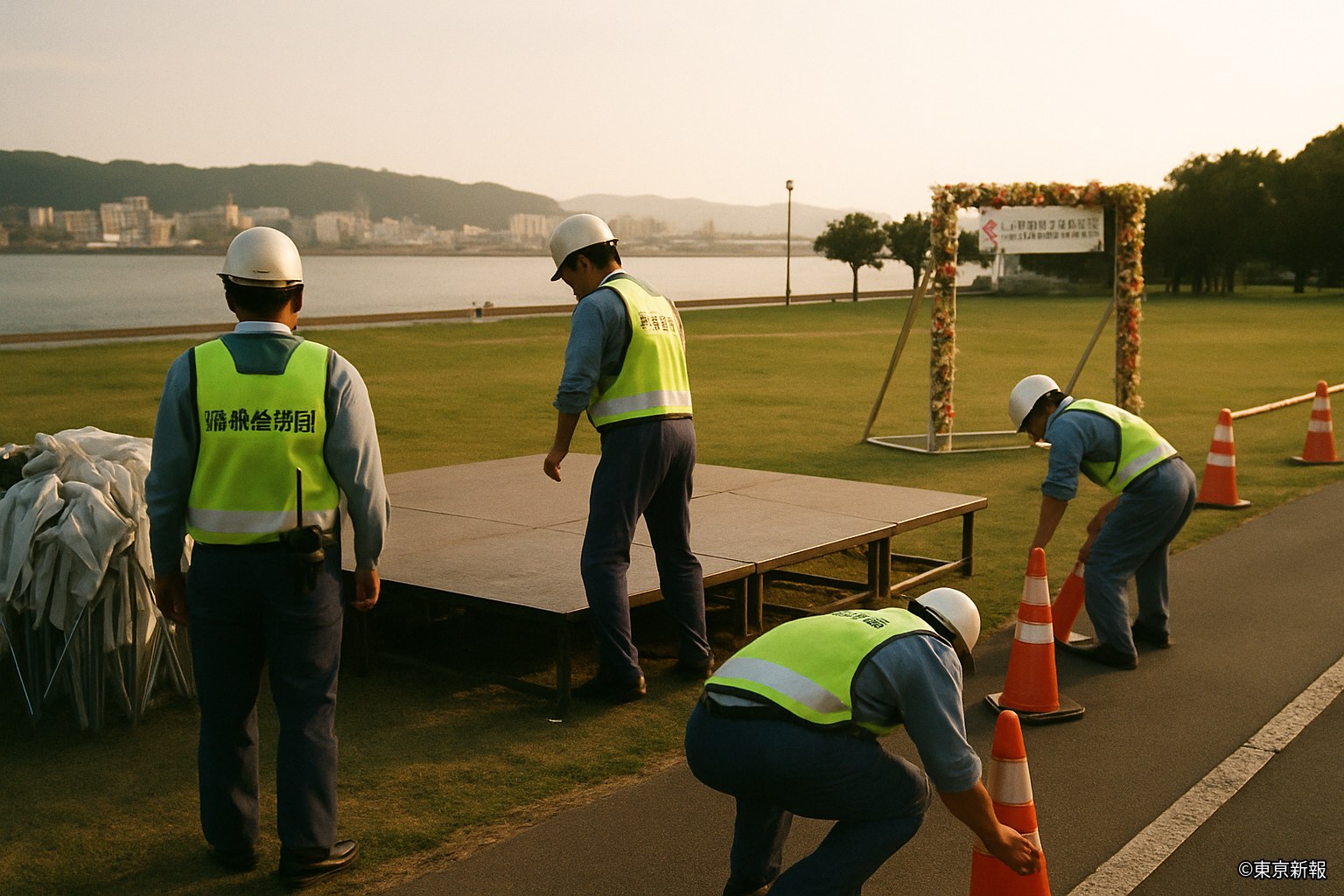
The campaign runs through the evening of the 7th, whose final hours overlap with Sunday's Arrival Remembrance Day ceremony, as previously reported. The civic engagement division and TDA decided on the 6th to set up a joint field office beside Kishihama Park for the day of the ceremony (also previously reported), and work on that setup and on unifying radio frequencies proceeded in parallel on the 6th. "We'll explain the situation further, including last night's figure, at tomorrow morning's briefing," a TDA official said, reiterating that the campaign's own results will not be released until after the window closes, no earlier than late September.
As previously reported, statistics on the permeation index only began in the year 31 of the Permeation Era (2006), and this marks the first time a three-day, high-density observation has been run specifically around a spring tide. "We have data showing bay-area readings of 'medium' or higher run about six days in an average August, but that's a monthly figure," a TDA statistician said. "You can't simply compare that to a three-day window observed at higher density." The official was cautious about drawing historical comparisons, but added, "There are fluctuations that only become visible once you raise the density. Last night's figure might well have gone unnoticed under the standing network alone" — underscoring the campaign's own rationale.
The bay monorail continued its previously reported slow operation between Fukagawa and Kameido, with no major change on the 6th. Along the Shiomibashi shopping street, one resident said, "Hearing that a number spiked overnight doesn't really change anything I can feel," while another said, "Knowing it overlaps with tomorrow's ceremony makes me a little uneasy, somehow." TDA continued to describe the overlap as a calendar coincidence. The campaign continues through the evening of the 7th.