People of the Shore (7): At 101, Tane Kishitani Finally Hears It for Real
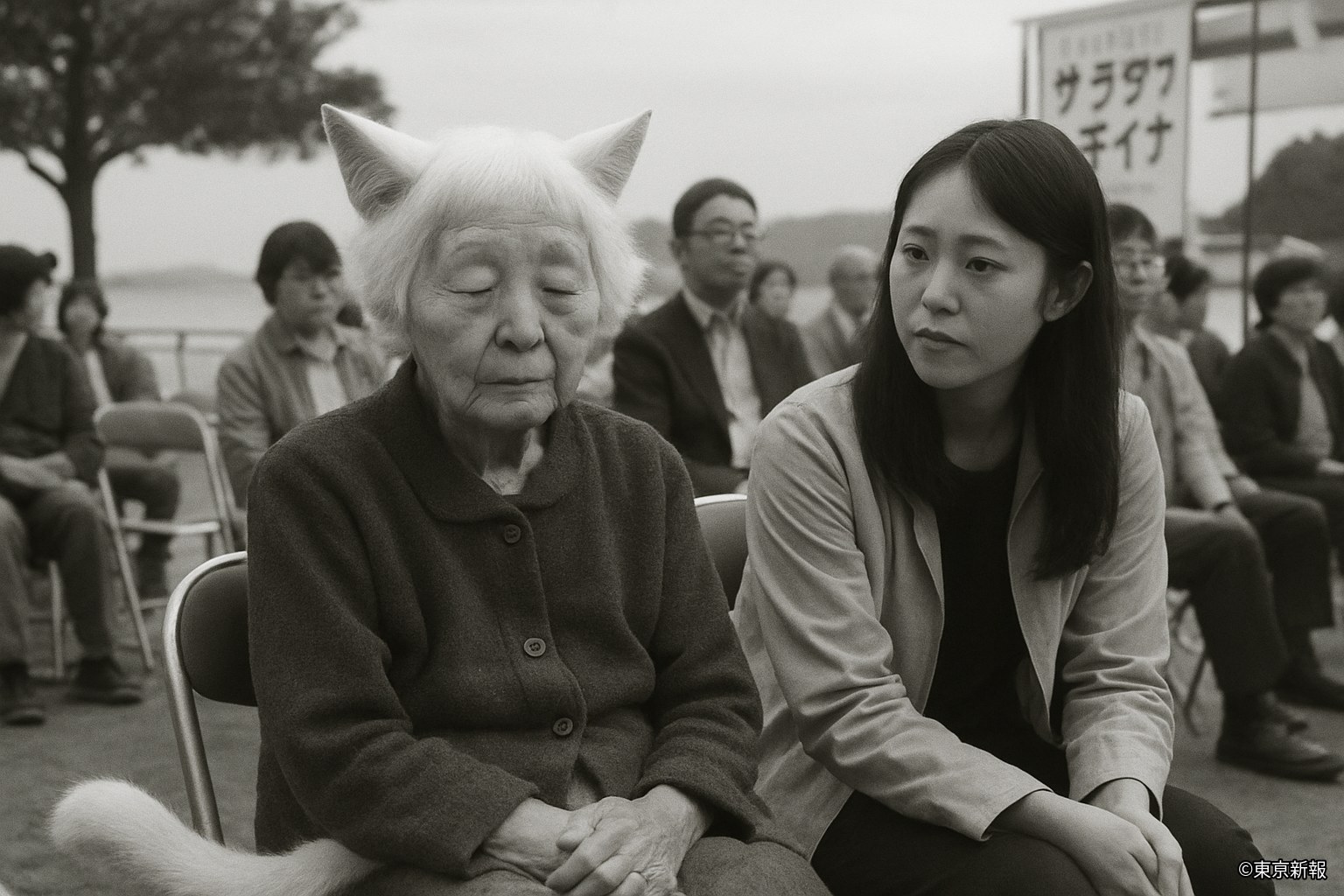
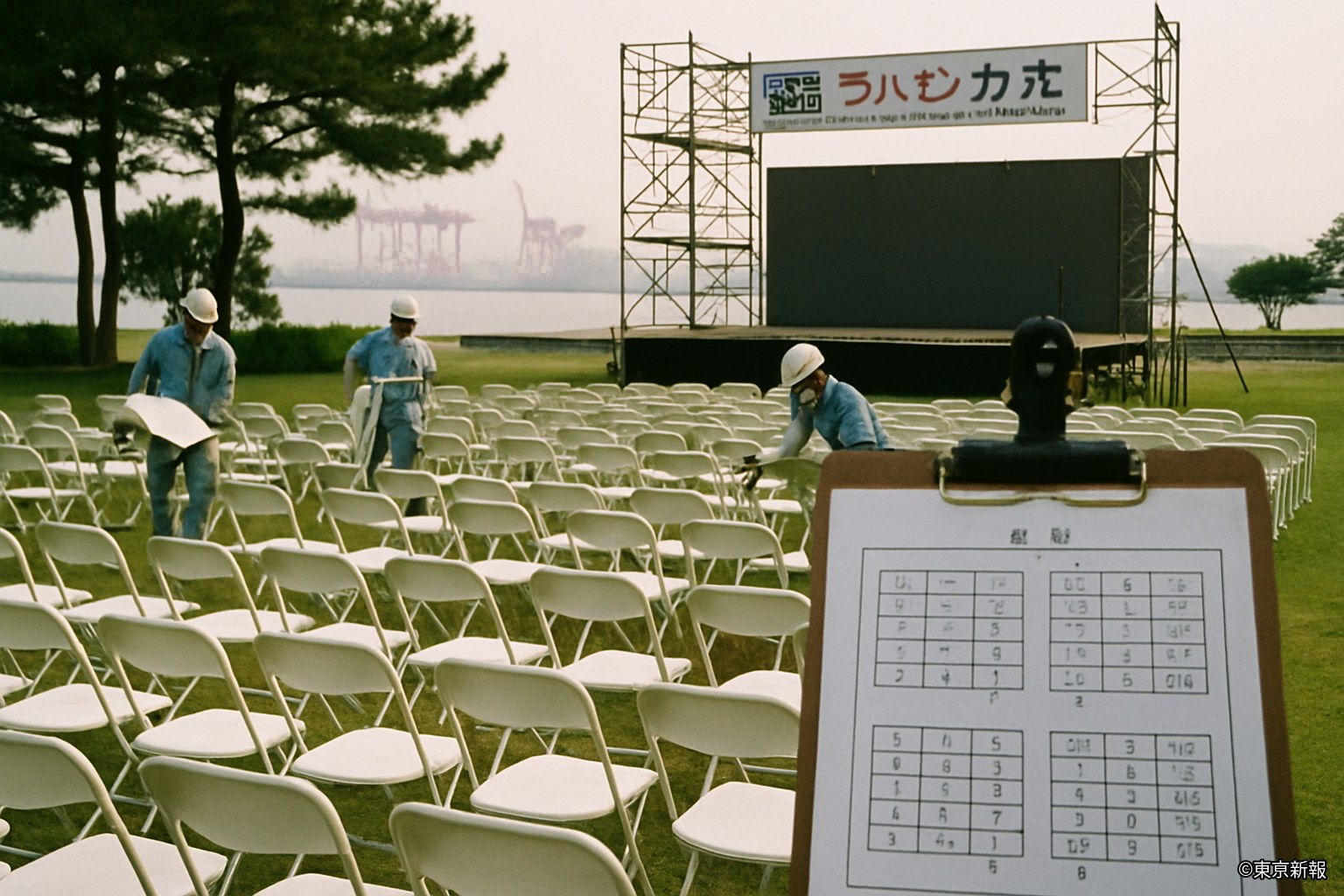
At noon on September 7 at Kishihama Park, 101-year-old Tane Kishitani, true to her word that she would simply be "the one who listens," sat with her eyes closed and did not move once during the lullaby. It was the first time in 51 years that the song she once heard as a child in a kitchen was sung in public.
Just before 11 a.m., volunteer driver Misaki Asakura, 20, brought Tane Kishitani to Kishihama Park. As previously reported, Asakura had spoken with Kishitani by phone the night before and heard her laugh that "tomorrow I'm just listening, so it's nothing to worry about." On the drive itself, though, Asakura recalled, "It was quieter than I expected. She didn't say anything, just kept looking out the window." At the venue, a civic engagement staffer showed her to a seat near the front.
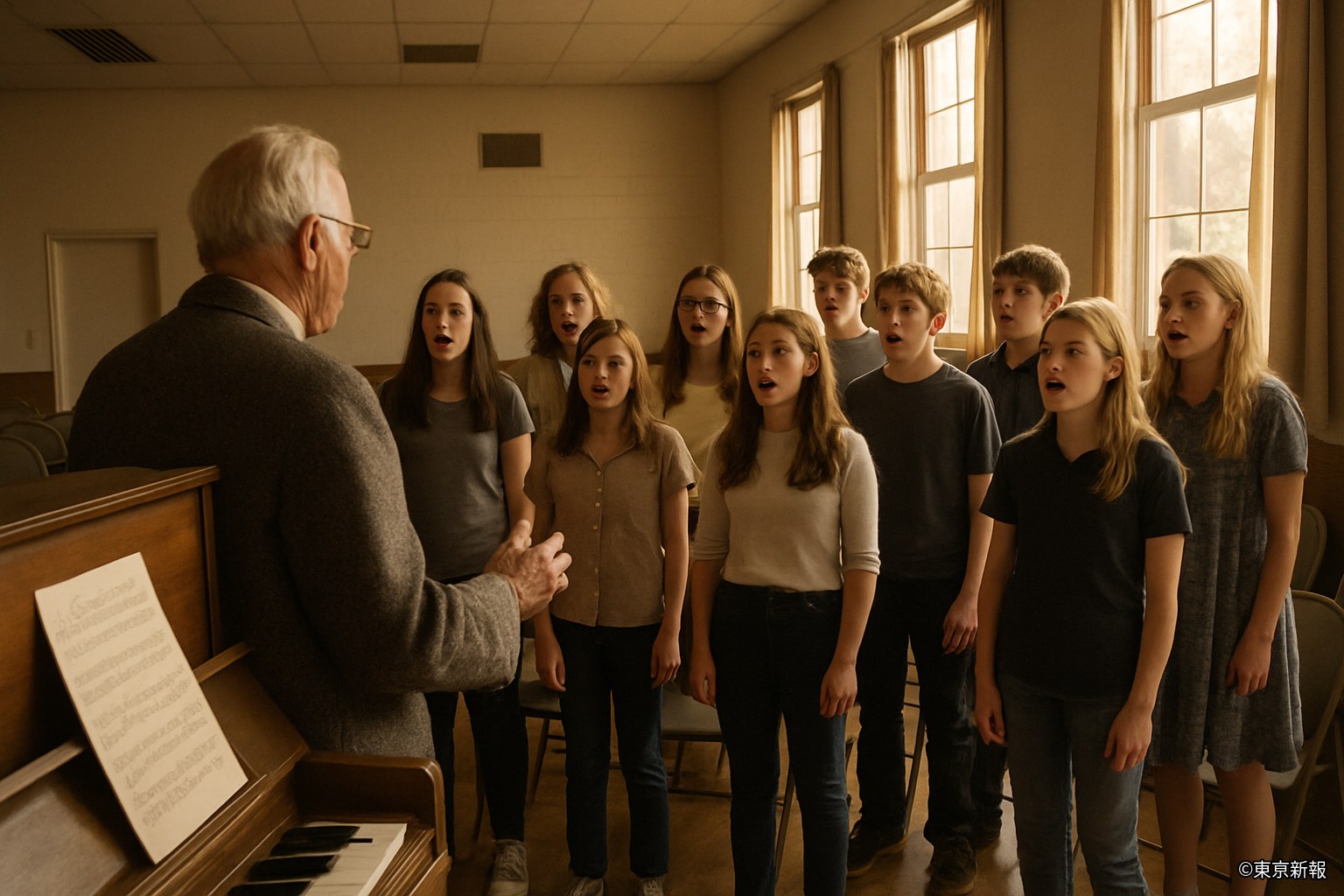
For Kishitani, the Shore Lullaby is a song she once heard while working in the kitchens of the settlement-era camps. As previously reported, she has said she "can't sing it, but remembers how the kitchen would go quiet whenever it was heard." This time, as the 37-member chorus centered on Bay Third Junior High School students sang all thirteen verses straight through, Kishitani reportedly kept her eyes closed the entire time, never opening them once. "She wasn't crying," Asakura said. "But the moment it ended, she let out this long breath. That's when I understood — she really had been listening."
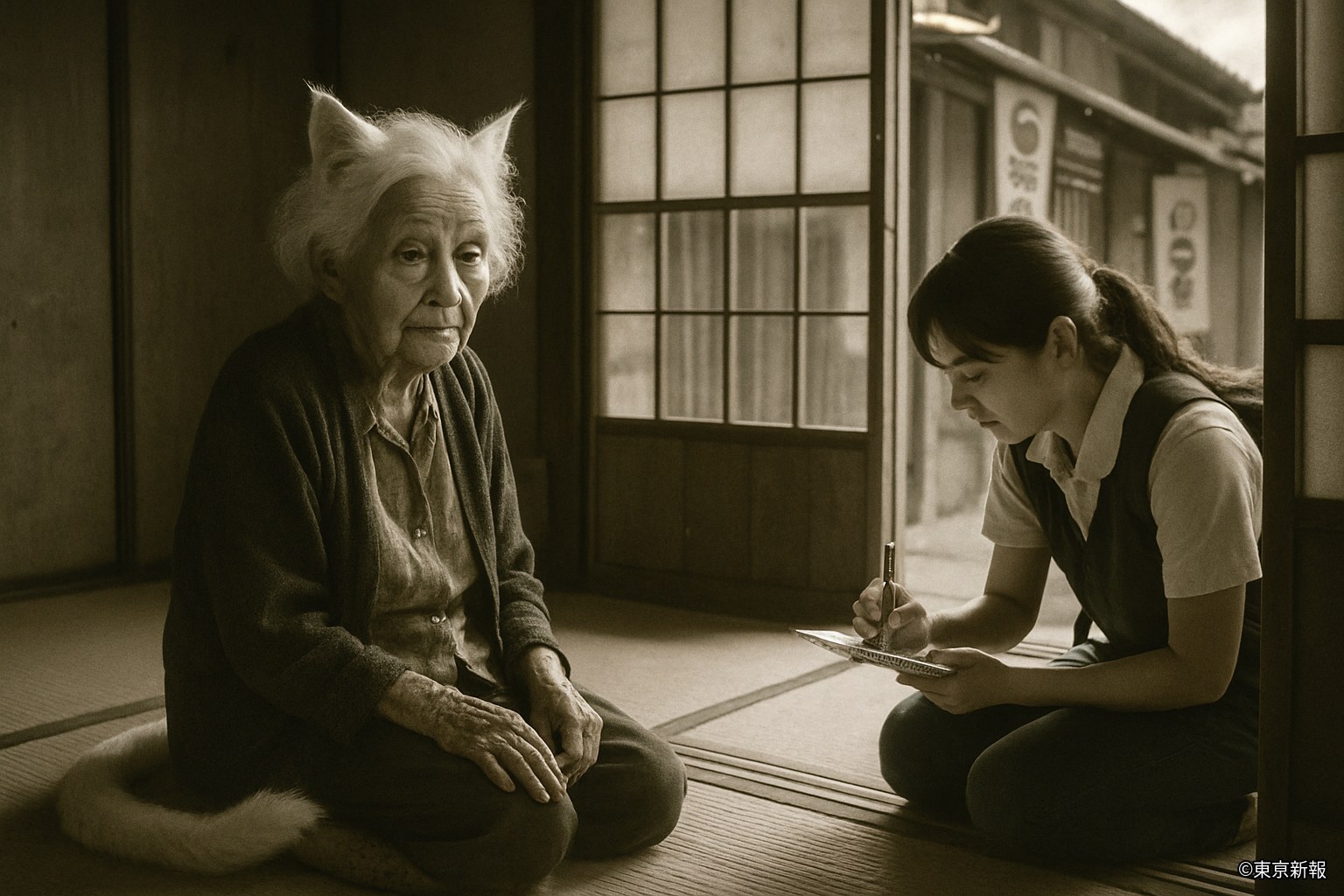
The seat she was shown to was not far from the stage. Kishitani wore her usual indigo kasuri kimono with a light haori over it, and rather than use a wheelchair, she walked to her seat with a light hand on Asakura's arm. In the earlier "People of the Shore (6)" interview, seated on the tatami of her Fukagawa row house, Kishitani had said matter-of-factly, "This year, I'm the one who listens." According to Asakura, she held to that on the day itself — quietly watching the surroundings before the ceremony began, exchanging only a few words with the first-generation attendees seated nearby.
Kishitani's great-grandchild stood on the same stage as a member of the chorus. Asked after the ceremony whether she could pick out the child's voice, Kishitani answered matter-of-factly, "I couldn't tell. They were all singing the same song." She added, "But I know that child was up there today." Her grandson and his wife, echoing sentiments reported earlier, said, "She was calm about it, but we hadn't felt settled since the day before." Now that it was over, they seemed visibly relieved: "In the end, it went fine without incident. That's all that matters."
Kishitani has long kept silent about the homeland she left behind, saying that "talking about it makes you start waiting for it." But she has also said, "The song is different. A song isn't talking." Of today's performance, she offered only, "The song was sung properly. That's enough," and her expression did not change when asked about the meaning of the lyrics. Before getting into the car with Asakura to head home, she reportedly added one more line: "Next year, too, I don't mind being the one who listens."
Kishitani was already 50 when she arrived in 1975. As previously reported, she worked the kitchens of the settlement camps, took the surname Kishitani upon naturalization for its "shore" character, and tended red-bean paste at a Kyobashi confectionery shop until she was 70 — spending most of that half-century keeping silent about the home she left behind. Her grandson's family said that on the night after the ceremony, she went to bed at her usual hour. "Nothing special, really," they said. "Though she did seem a little more cheerful than usual." This paper has covered the ceremony for 51 of its 114 years of publication; it took all of those years for a voice like hers to be captured in a single line: the one who listens.