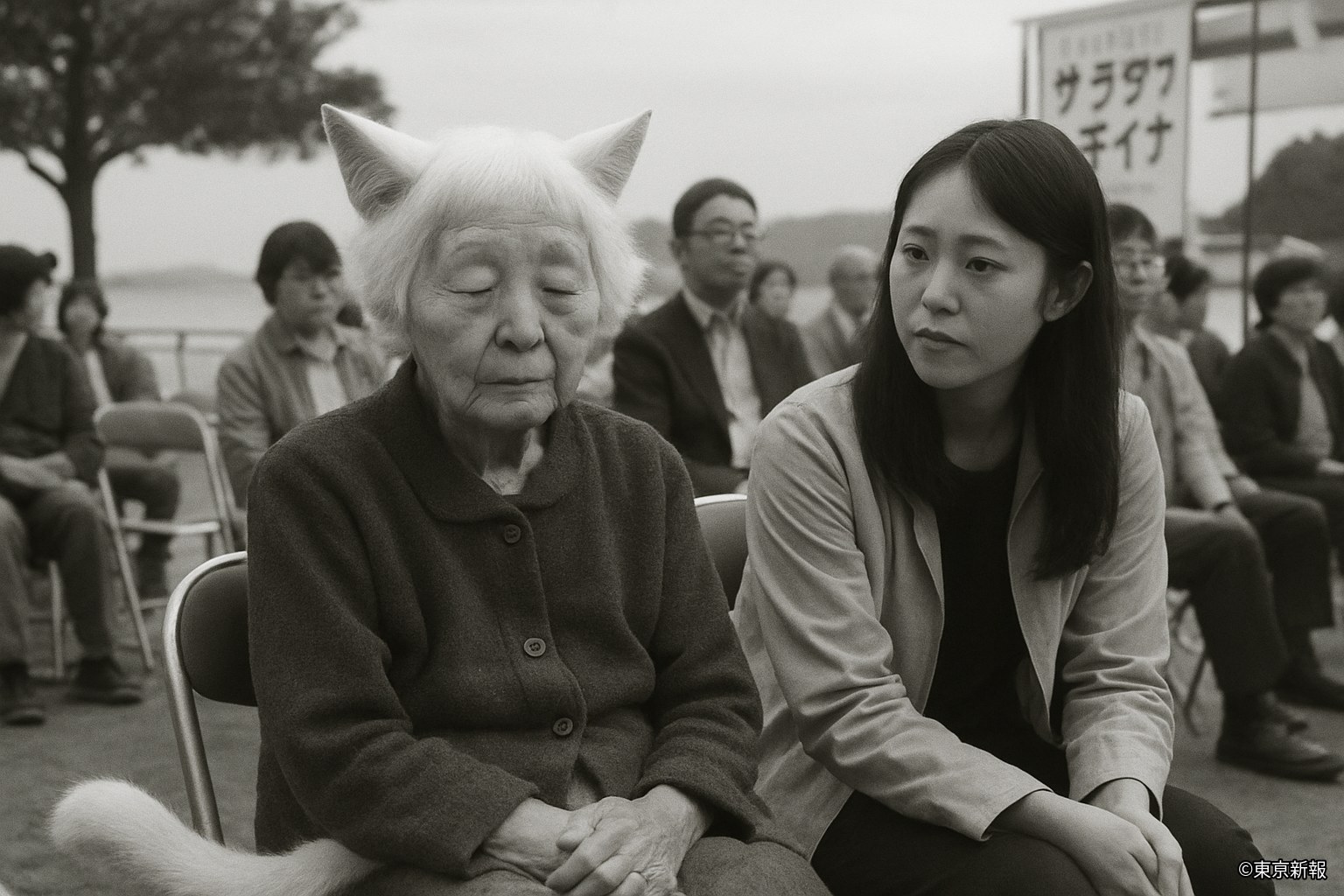
People of the Shore (8): The Same Song, Heard From a Care-Home TV — Taki Fukaura, 88
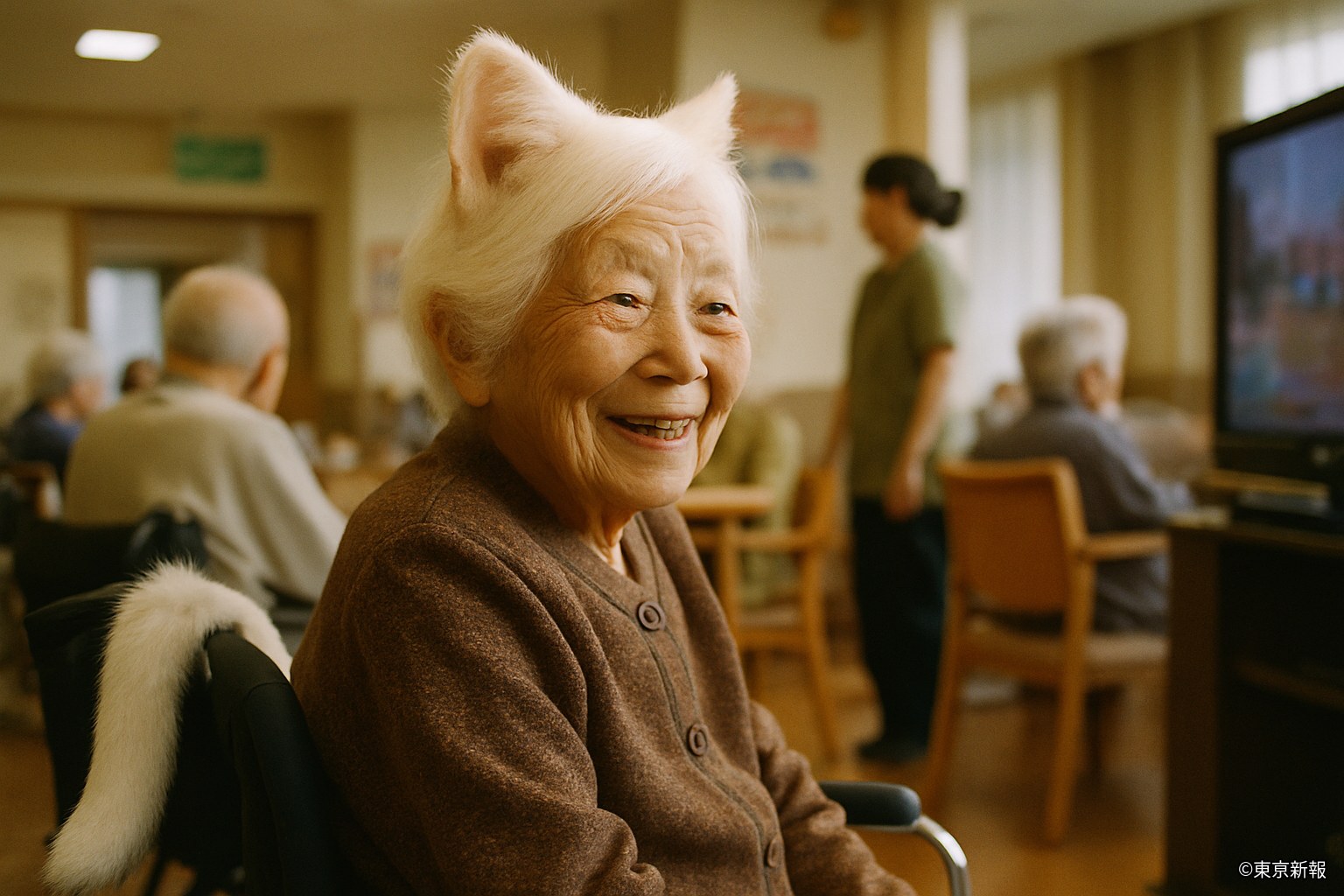
Taki Fukaura, 88, was one of the 18 first-generation settlers unable to attend the Arrival Remembrance Day ceremony in person, watching the relay instead with staff and fellow residents at a bayside care home. Though the meaning of the lyrics never reached her, she says she still knew it was 'the same song.' Three days after the ceremony, this paper visited her there.
The invitation to the Arrival Remembrance Day ceremony reached Taki Fukaura, 88, who lives in a four-person room at Bayside Fureai Home, just as it has for the past three years. All three years, she has chosen to stay away. "It's not that I don't want to go," she says. "It's just that three hours in that crowd, being pushed in a wheelchair the whole time, would be hard on me." As previously reported, she is one of 18 among the 121 invited first-generation settlers who chose to watch the relay from a care facility instead.
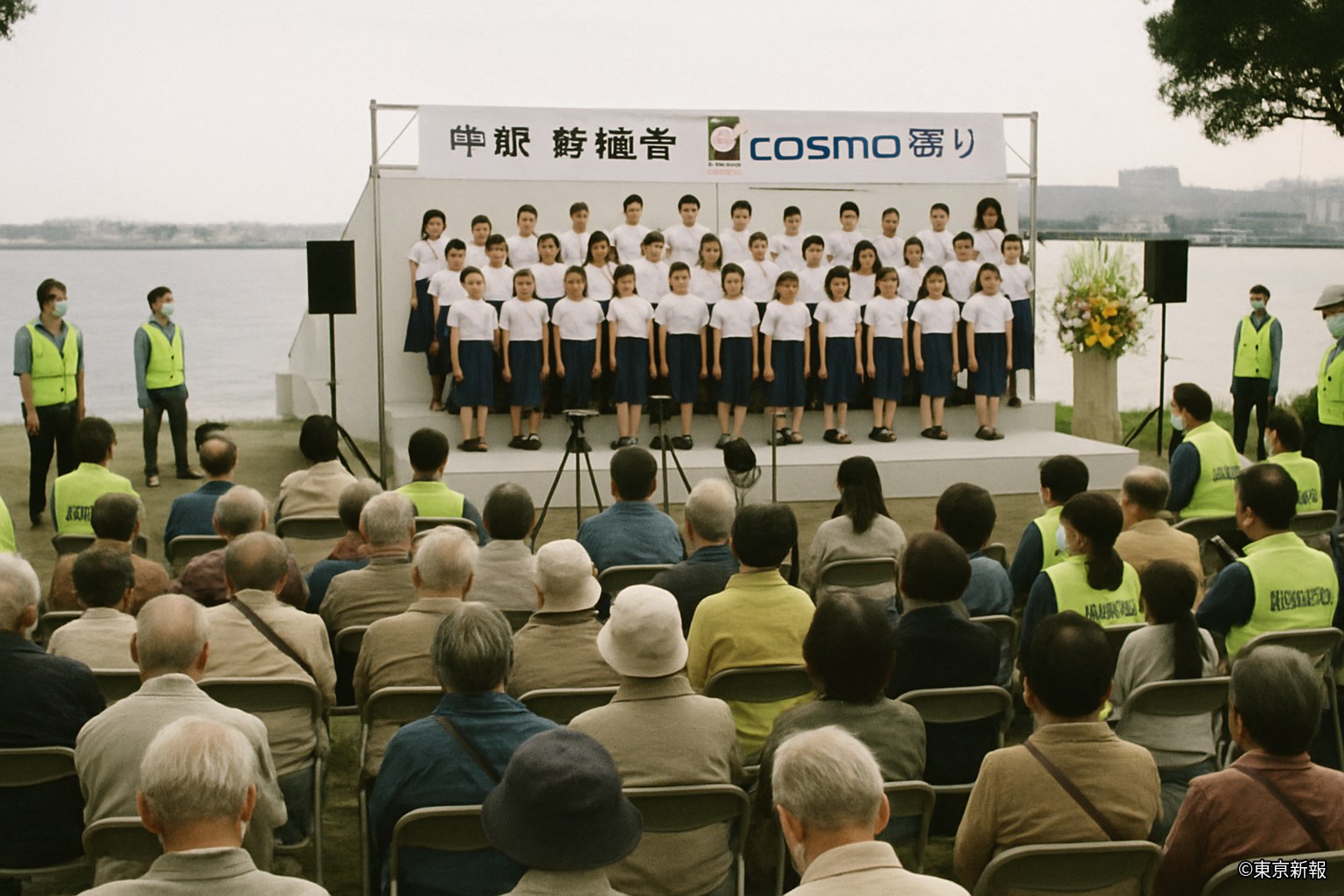
At noon on the day of the ceremony, a dozen-odd residents and staff gathered in the home's dining hall, chairs arranged before a large television. As previously reported, when the Shore Lullaby began, the dining hall — usually never without some television or chatter — fell quiet. It turns out that the staff member quoted in an earlier report, saying "none of us understand the words either, but something still came through," works at this very home. Fukaura herself said, "Everyone just kept facing the television, not moving. That alone told me they were really listening."
Fukaura was 27 when she arrived in 1975, one of the generation who first heard the lullaby in the settlement camps. The song's lyrics remain officially "undeciphered," as previously reported, but Fukaura carries her own memory of it. "The fourth verse — the melody I remember was a little different from what I heard on TV. But somehow the difference made it feel more real. Everyone learned it their own way." The transcriber Ushio Kishiura's official score, unified into the single form the 37-member chorus performed, and the small discrepancies in memories like Fukaura's, can be read as reflecting the very nature of a song that, as previously reported, has never been fully deciphered or standardized.
As previously reported, the civic engagement division received two complaints about audio and video quality from the facilities receiving the relay. This reporting found that one came from this very home. "The choir section of the lullaby sounded a little muffled," a staff member said. "We'd like to consult on our sound equipment here ahead of next year." Fukaura laughed: "I didn't know it was muffled. Even muffled, though, I could tell it was the same song."
On the night of the ceremony, Fukaura's grandson and his wife visited, showing her photos from the venue on a tablet and describing the scene for about an hour. "Things like the air in the crowd, how the person next to them cried — hearing the little details was what mattered. You don't get that from television." The grandson's wife, 45, recalled, "It felt like stitching together the part Grandma watched on the relay with the part we saw in person."
Asked about next year's invitation, Fukaura said, "I expect I'll watch from here again. It's not that I can't walk anymore. I just don't want to push myself, feel unwell partway through, and trouble everyone around me." The civic engagement division, as previously reported, is reviewing its relay equipment for next year, and the home has begun its own consultation on improving the sound. Fukaura added, at the end: "The people at the venue, and the people listening here — we heard the same song. That's enough."