Foreign Ministry Weighs Explicit Military-Diversion Ban in Window Treaty, Ahead of Nordia Union Chair's Visit
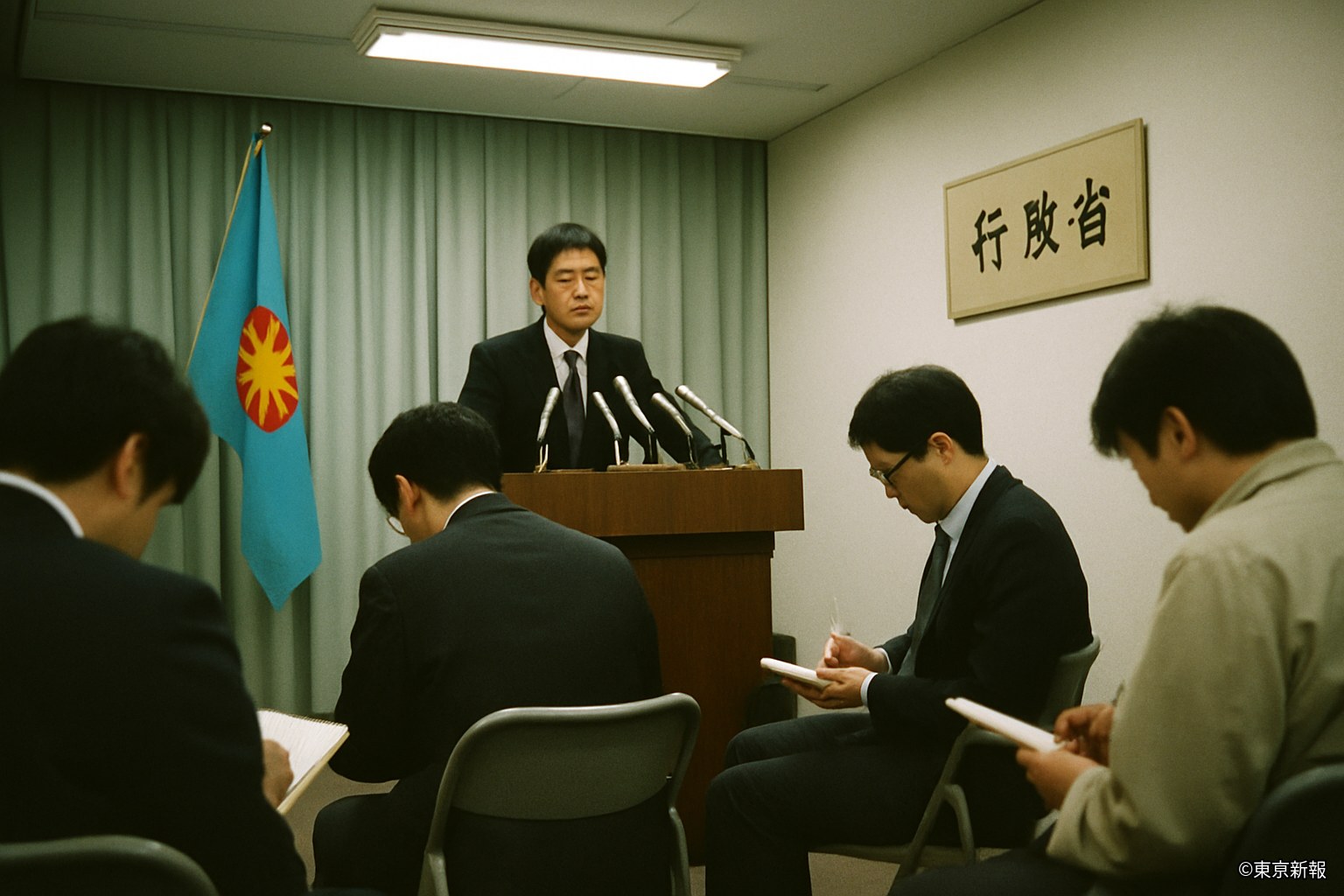
A Foreign Ministry spokesperson said at a regular briefing on the 5th that the government was 'considering establishing an explicit ban on military diversion' within the Window Treaty now under negotiation. As previously reported, Nordia Union chair Signe Lundqvist, 61, has pushed to strengthen the current IDBO charter's best-efforts-only diversion ban into explicit treaty language. Ahead of her arrival on the morning of the 6th, Hinokuni's longstanding middle position between the disclosure camp and the sovereignty camp has shifted toward disclosure.
A Foreign Ministry spokesperson, asked at a regular briefing on the 5th about the state of Window Treaty negotiations, said the government was "considering establishing an explicit ban on military diversion." As previously reported, the current IDBO charter (the 1988 Permeation Treaty) limits its diversion ban to a best-efforts clause, and the disclosure camp — led by the Nordia Union — has pushed to strengthen this into explicit treaty language. "We had held a middle position," the spokesperson said, "but as observation technology spreads among more countries, recent consultations have led us to weigh more heavily the argument that at minimum the ban on diversion should be made explicit."
The ruling party's "Opening Observation" caucus, led by Sota Miyake, welcomed the shift, saying in a statement that "disclosure where possible, and an absolute stop to misuse of the technology — this is the right line." But Tetsuo Munakata, 58, a lawmaker aligned with the sovereignty camp, criticized it: "Observation is a matter of national sovereignty. Make the ban explicit, and the next demand will be to open up the observation data itself. Moving without taking it step by step is reckless." Some within the ministry remain cautious as well, echoing concerns previously reported about the appearance of "favoring Rukai," and the spokesperson was careful to add that "this is a matter under consideration, not settled treaty language."
A source at the Amerian embassy, asked about the shift, kept an outwardly detached tone: "Consultation between allies will of course continue, but it's the nature of negotiations that each country moves according to its own position." A senior ministry official stressed the decision was not made in isolation: "We have no intention of straining the relationship with Ameria. We believe making the diversion ban explicit is a point that many middle-camp countries, not only the disclosure camp, privately support."
Public reaction in the city remains muted so far. A bay-area resident who has attended rallies held by the previously reported "Opening Observation" caucus said, "Stopping diversion, full stop, is something people here have been saying all along. It's about time the ministry moved on it." A technician involved in observation work offered a more cautious note: "I don't oppose making the ban explicit in itself, but I do worry it's a first step toward demands to hand over observation data too. I'd like a more careful explanation of where this leads."
As previously reported, Window Treaty negotiations are split into three camps: the disclosure camp (the Nordia Union, Canadia, Francé, and others), the sovereignty camp (Genshu, Rus, Pars), and a middle camp (Ameria, Arabiya, and others). Hinokuni has held a middle position between its ally Ameria and domestic public opinion leaning toward disclosure; today's shift nudges that position slightly toward the disclosure camp. A ministry source said, "This isn't mere courtesy ahead of the chair's visit. We've also judged that the spread of observation technology is a real, growing risk of diversion."
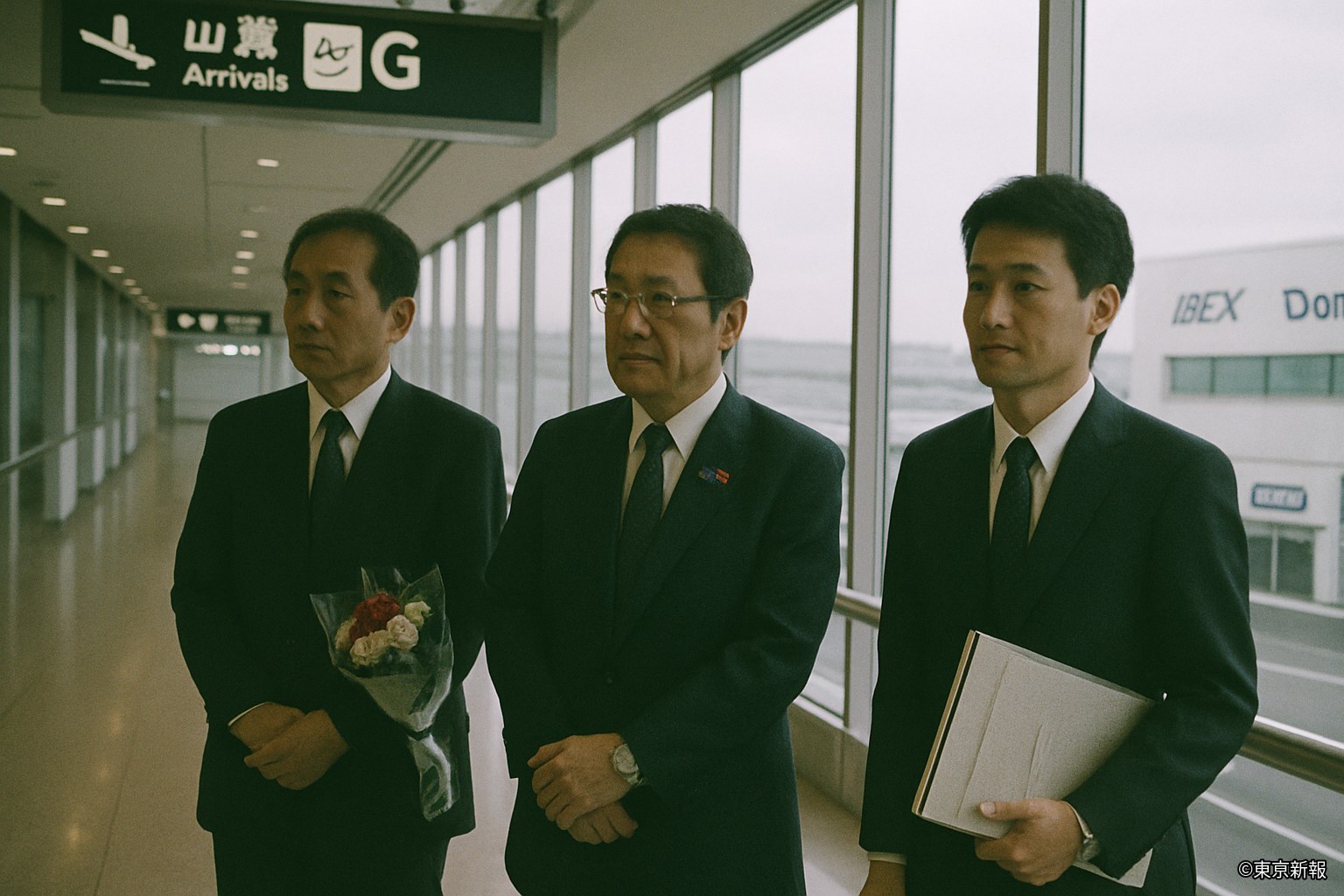
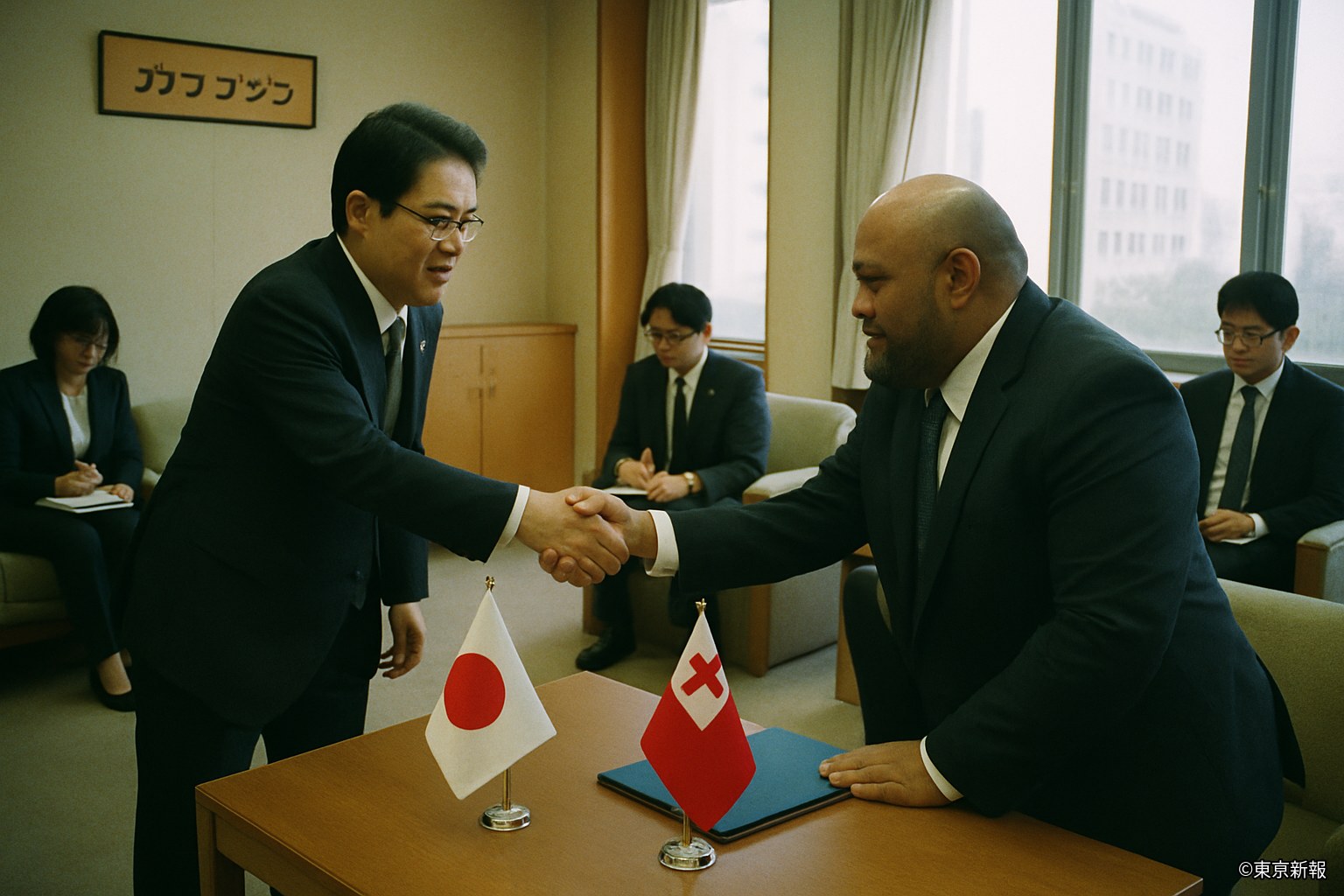
Nordia Union chair Signe Lundqvist's itinerary remains as previously reported: arrival on the morning of the 6th, departure on the afternoon of the 7th. The 6th includes working-level talks with the Foreign Ministry followed by a private embassy dinner in the evening; the 7th includes a courtesy call on Mayor Motoko Ukai in the morning and informal talks with the Dimensional Survey Division in the afternoon. Yuichi Amamiya, 55, who heads the Hinokuni delegation, said, "I want to start by truly listening to the other side's words, before we get to the numbers" — a remark that hinted at careful preparation ahead of a pivotal round of talks.