The Sword That Stays Sheathed: The Word 'Redemption'
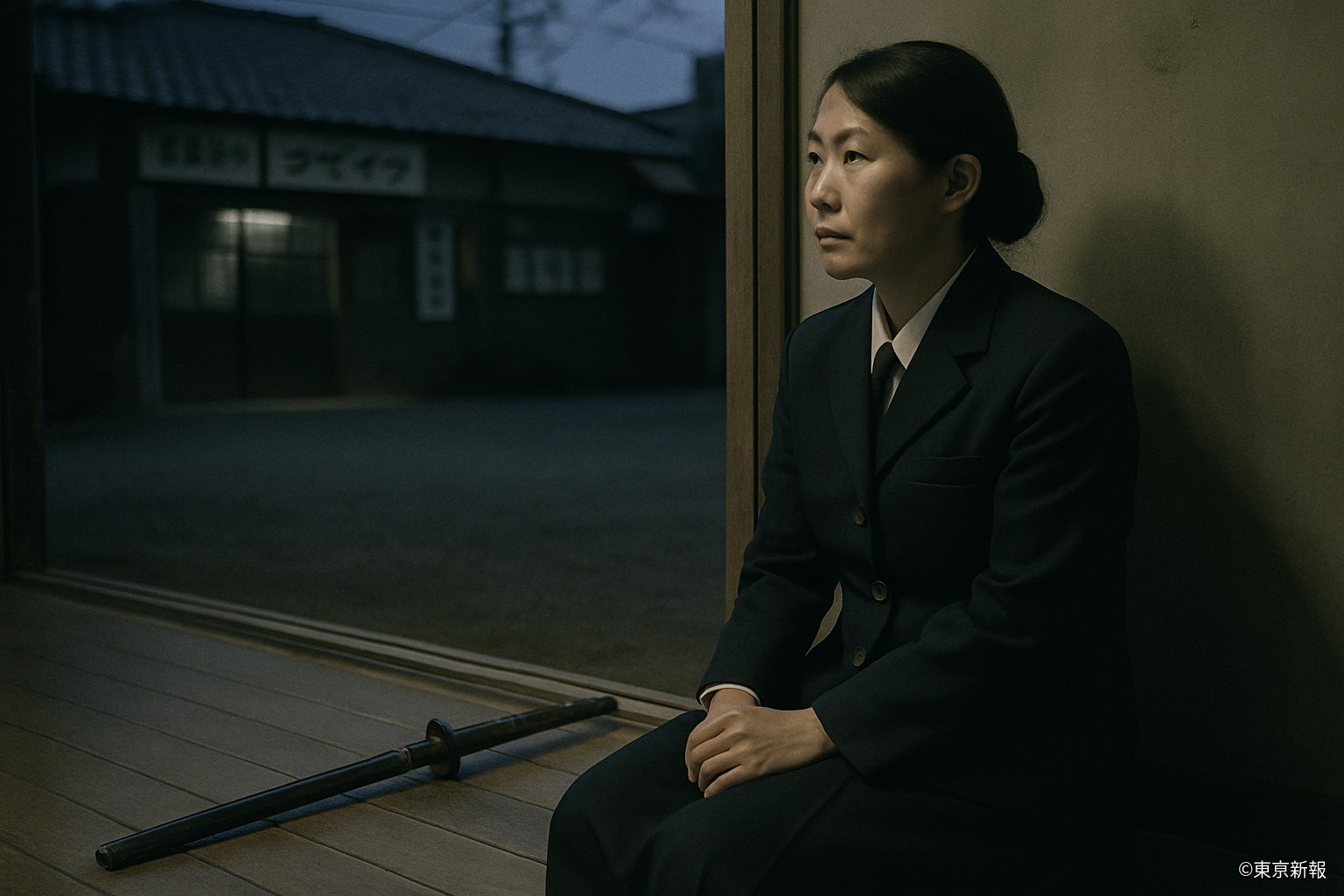
The third installment of a column by licensed sword bearer Chitose Kaname, on what she makes of the word 'redemption' ahead of the 18th's rematch with Hokuto.
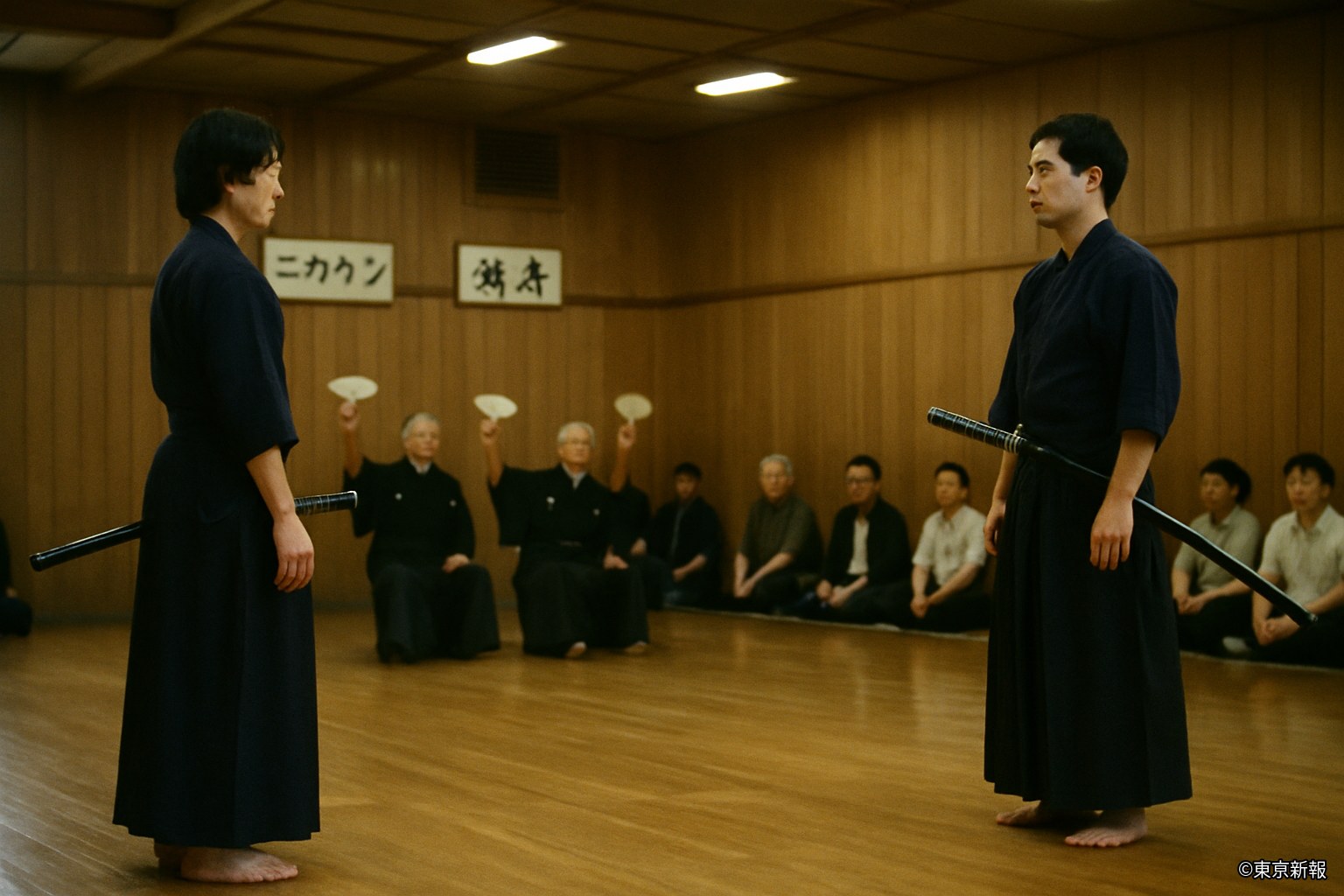
Hearing that they were using the word "redemption" left me a little puzzled. On our side, the opening match is just one of the matches we won, filed away without much thought. On theirs, it's apparently been sitting on an entirely different shelf this whole time, as a match they lost. The same match ends up on a different shelf depending on who's doing the filing. It's an obvious thing, and it still surprises me every time.
When the young Minase officer told me he was "going in assuming they've studied us," I remembered a time I used to say the same thing. There's an assumption built into "being studied" — that you still have something special worth studying. In practice, the thing we most need to watch for isn't how much the other side has studied us, but how comfortable we've gotten on our own side. The second time against an opponent, you relax a little more than the first. That happens to me too.
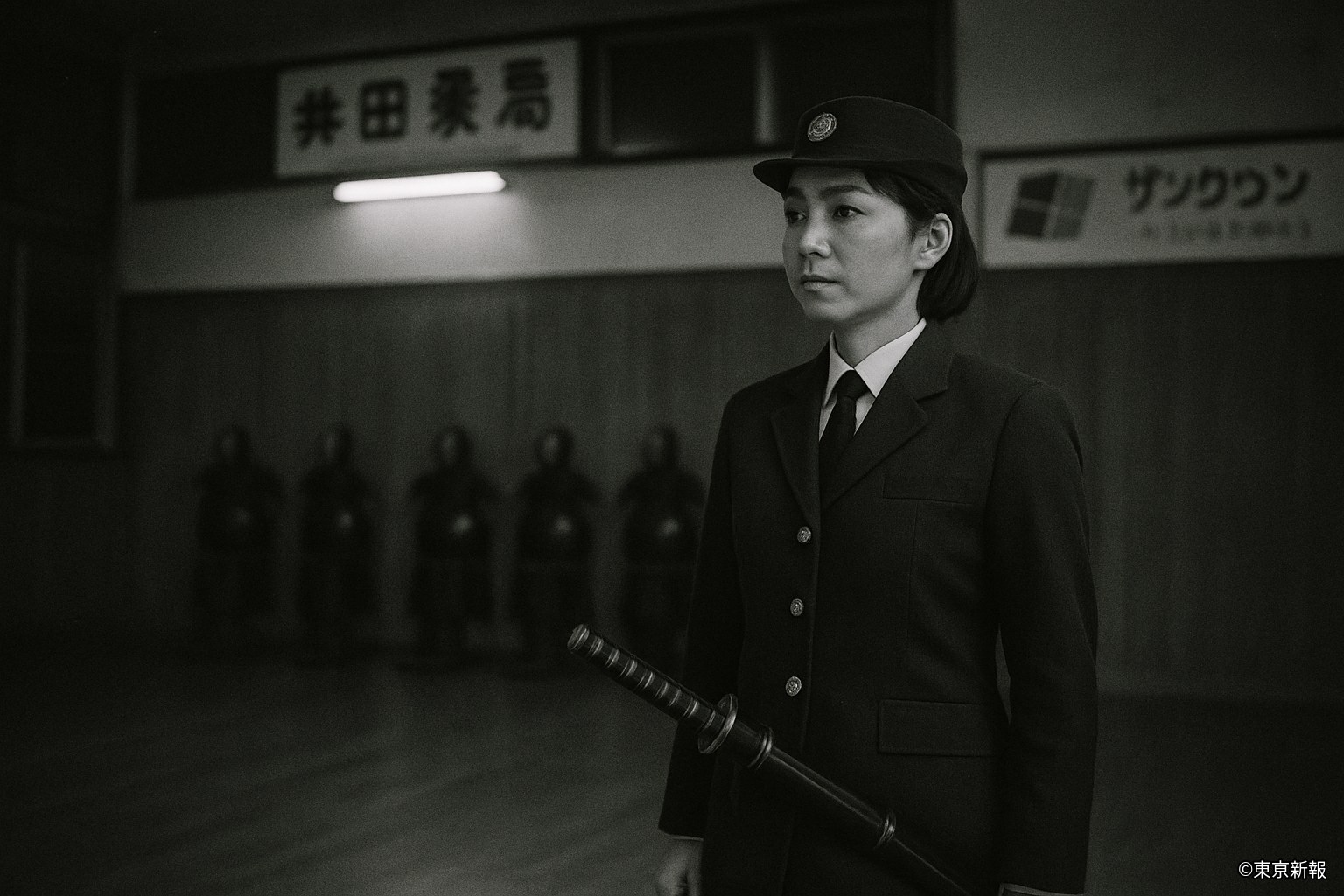
I'll be in the anchor match again this time. I've said in earlier interviews that I have no reason right now to change the policy of not drawing my sword, but honestly, "no reason" is almost the same thing as "haven't found one yet." I never know, each time, how the three judges will read my strike. I think it's fine to not know. The day I think I've figured it out is the most dangerous one.
Whatever word the other side uses for it, "redemption" isn't a reason for my sword to come out. What decides whether it comes out isn't their feelings — it's my own judgment of the moment. When I arrive at Hokuto's dojo on the 18th, the first thing I'll do is look at my opponent's face. Whether or not we've been studied usually tells us less than the look on the face standing across from us.