"Spring tide surcharge" pushes premiums to 1.5-1.8x, drawing complaints
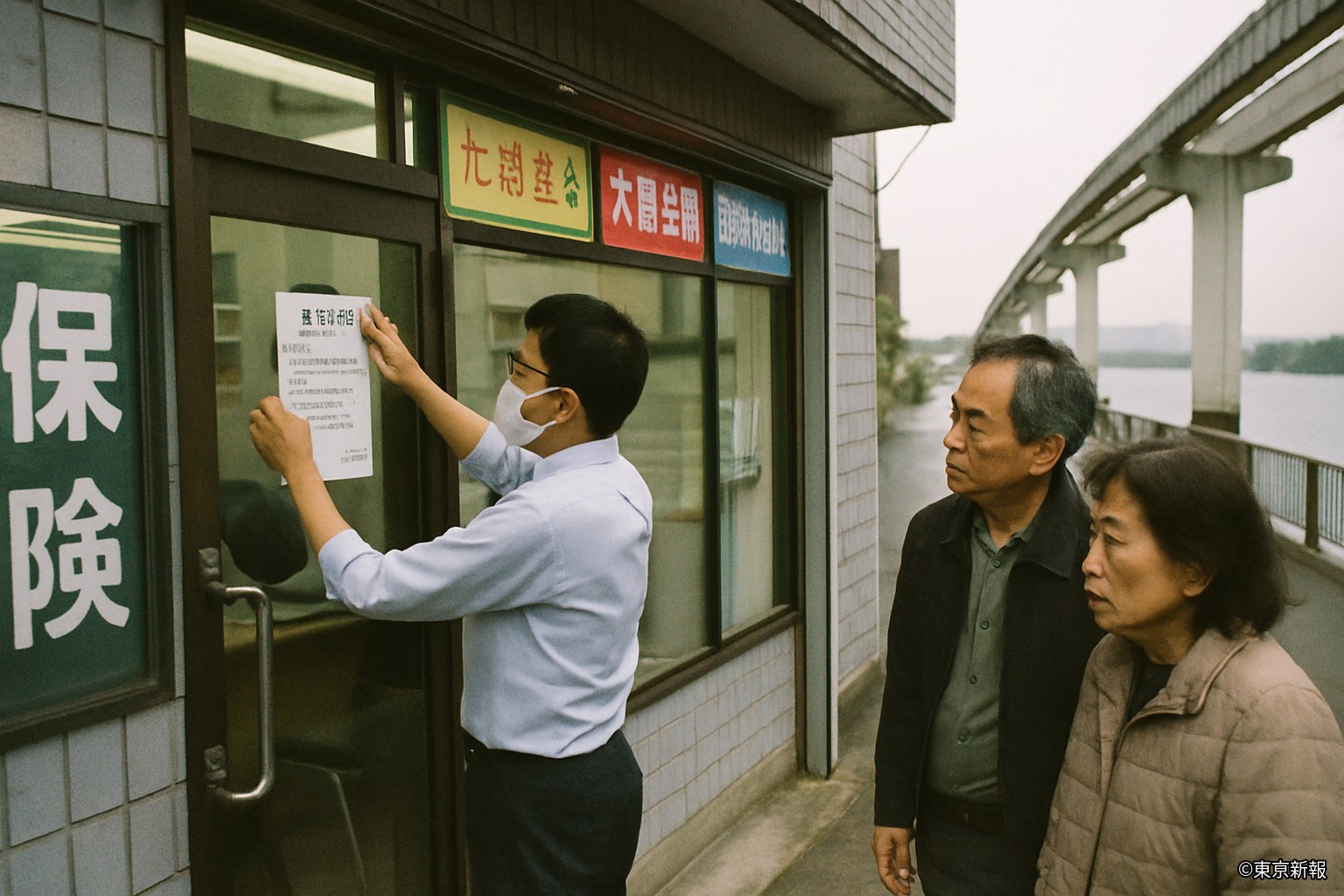
Insurers offering forecast-linked disaster coverage, including Sonaeya Non-Life, published rates on the 2nd raising daily bay-area premiums to 1.5 to 1.8 times normal, tied to a "medium to alert" weekly forecast for the September 5-7 spring tide. Because the surge falls in the same week as Arrival Remembrance Day on the 7th, it has drawn criticism as a "memorial-week surcharge," and the city's consumer affairs center has fielded more than 40 inquiries in two days.
Forecast-linked disaster insurance, in which premiums rise on days when the permeation index is elevated, now accounts for more than 60 percent of new policies. This round of rates is based on the TDA forecast office's weekly outlook of "medium to alert" for the September 5-7 spring-tide observation period. Insurers have set bay-area daily premiums at 1.5 to 1.8 times normal for that three-day window.
The problem is that the final day of that window falls on Arrival Remembrance Day. It is the first time forecast-linked pricing has collided directly with a calendar observance, and the case is expected to become a talking point for the Consumer Affairs Agency's planned study group.
Bayside shop owners have voiced frustration: "I didn't expect them to raise it during memorial week, of all times." The city's consumer affairs center has logged more than 40 inquiries in two days, most along the lines of "is there no consideration for the memorial day?"
A Sonaeya Non-Life spokesperson repeated the company's position: "Rates are tied to the forecast. They are not tied to the calendar. If the spring-tide outlook weren't medium-to-alert, the rate wouldn't move regardless of what the 7th happens to be. The dates simply overlapped this time." The spokesperson denied any deliberate profiteering, though the criticism has not let up.
The surcharge trend isn't limited to insurance. Bayfront taxi operator Shiokaze Transport introduced a 20 percent surcharge on bay-area dispatches after 10 p.m. on index-alert days starting in late August, drawing earlier criticism that it was "pricing people's escape route." The same index-linked logic spreading across industries and into daily costs has come into sharper relief through this latest case.
A 46-year-old woman planning to send her first-generation grandmother to the Arrival Remembrance Day ceremony said: "I didn't know about the insurance rates. My own family isn't attending the ceremony, but I imagine there are households that want to go and now find themselves hesitating because of the surcharge."
The Consumer Affairs Agency has already settled on establishing, within September, an expert study group to examine disclosure and explanation rules for index-linked pricing — covering advance notice of rate hikes, clear presentation of the underlying forecast, and whether a cap on surcharges is warranted. This incident, as the first concrete case of a rate movement colliding with a calendar observance, is likely to feed directly into that discussion.
Forecast-linked insurance has expanded rapidly since its launch three years ago and now accounts for more than 60 percent of new policies. The Financial Services Agency has already acknowledged that the product's first two years, when the bay-area index ran at historic lows, helped drive that spread through a sense of bargain pricing. This week's spring-tide surcharge is the flip side of that early bargain — the first sharp upward swing many policyholders have actually felt.
"Forecast-linked pricing itself makes sense to me," said a 52-year-old man who runs an insurance agency in the bay area. "But for anyone who knows what the memorial day means, I wish they'd thought a bit harder about how to explain it." A TDA forecast official would only reiterate that the overlap with the 7th "is a coincidence of the calendar." Results of the spring-tide observation itself are expected to be published next month or later.