Temporary Stations Ready as Tide-Linked Observation Campaign Begins Tomorrow
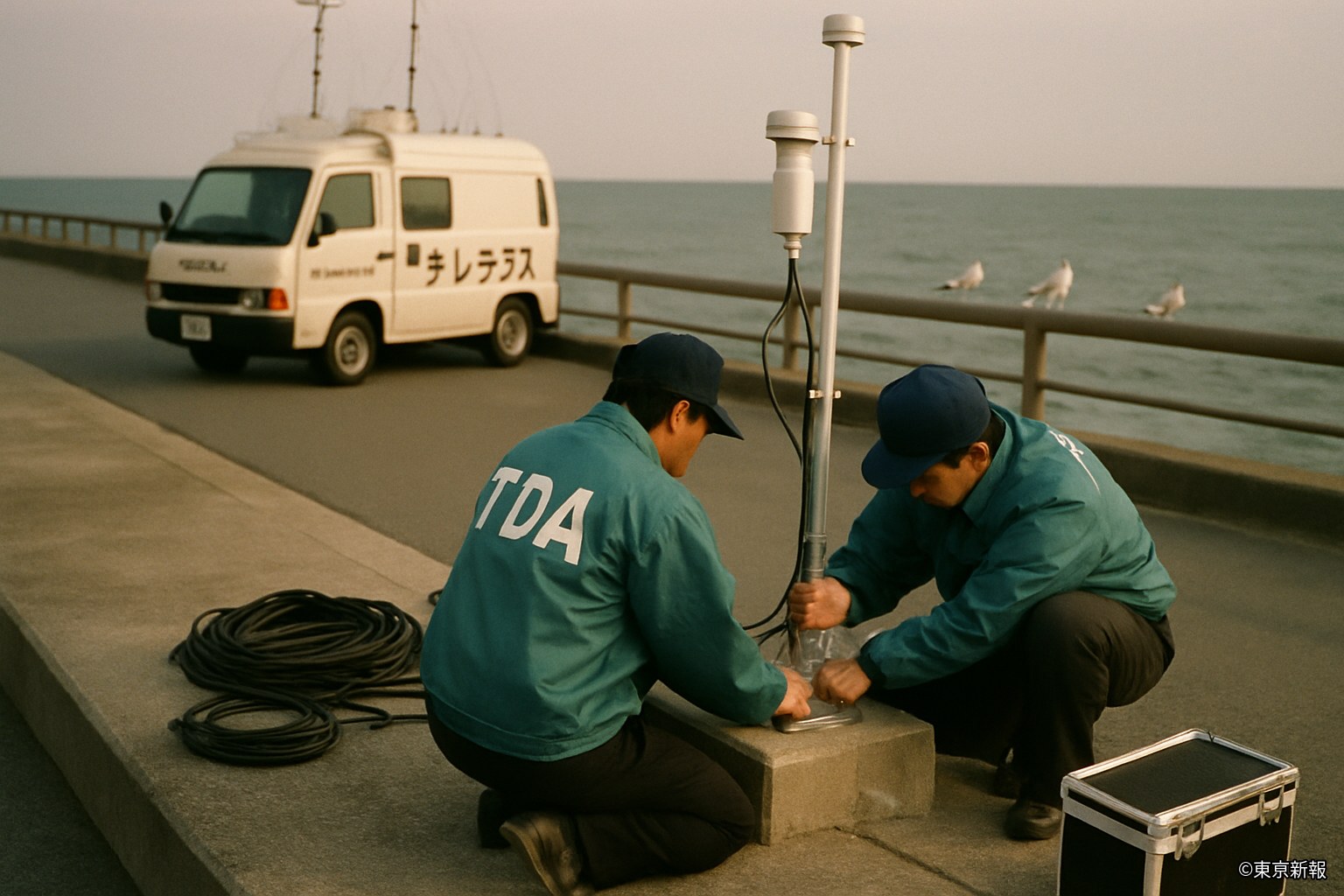
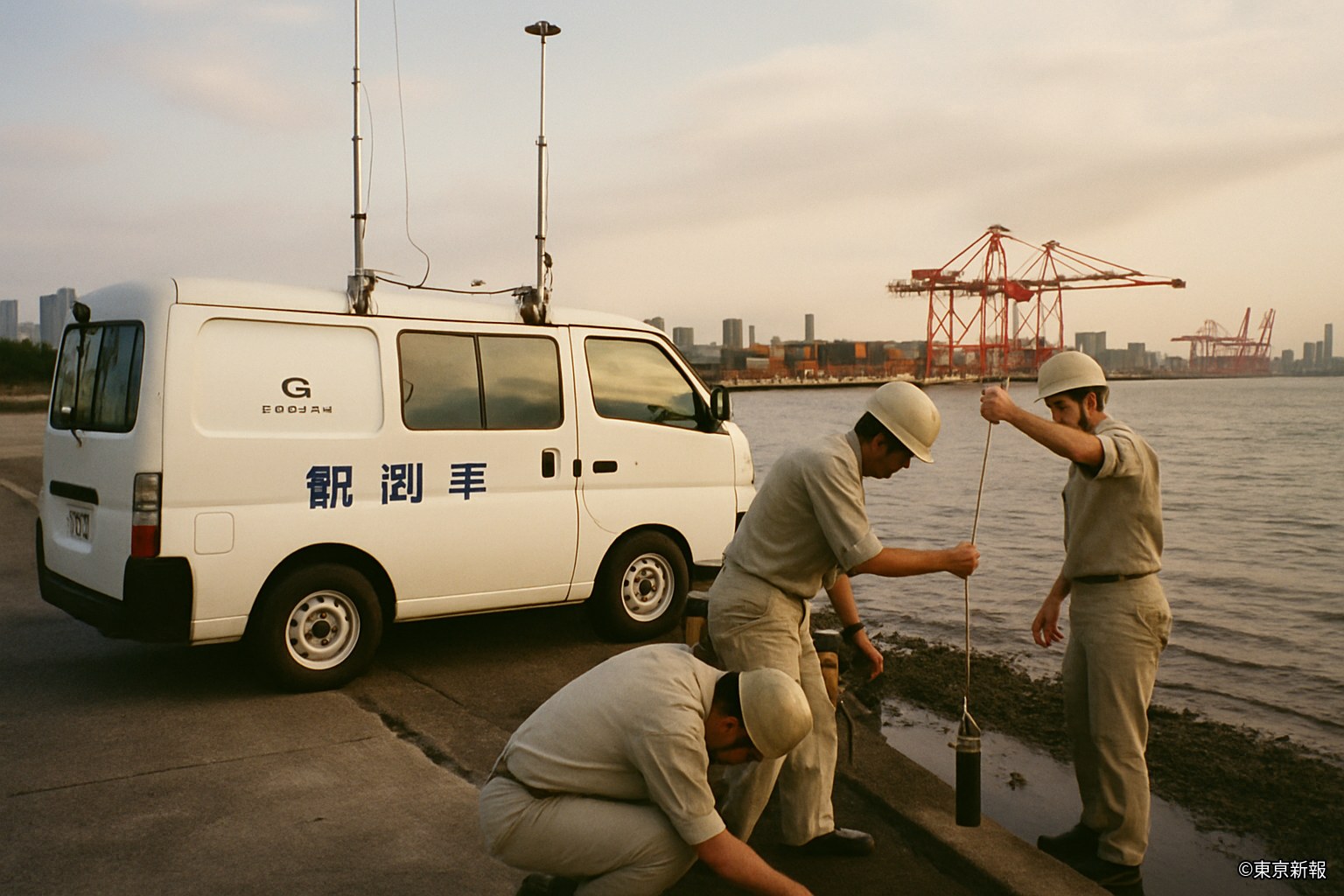
Preparations for TDA's intensive bay-area observation campaign, timed to the coming spring tide, were largely complete as of the 4th. Two temporary stations and two mobile observation vehicles have been positioned along the seawall for a run from 6 a.m. on the 5th through the evening of the 7th — the first full test of a tide-correlation theory from Bay Ocean University, whose final day coincides with Arrival Remembrance Day.
TDA's forecasting division had largely finished setting up for its intensive bay-area observation campaign, previously reported on September 1, as of the 4th. Two temporary stations have been installed at bay-area seawalls, and two mobile observation vehicles are stationed along the Shiomi and Fukagawa waterfronts respectively, roughly doubling the density of the standing observation network. At the Shiomi station, two technicians were seen leveling a sensor mast and securing cables. "We've tightened everything down to where wind won't throw off the readings," one said. "Tomorrow morning we just confirm power."
The campaign is meant to give the first full test of the tide-correlation theory proposed by Bay Ocean University marine physicist Urato Asuka, who has noted a tendency for the permeation index in bay areas to tick up around spring tides in fragmentary past data. By concentrating observations during the September 5–7 spring tide, she hopes to determine whether the pattern is real or coincidental. "Being able to read something and understanding it are different things," Urato said, echoing her previously reported caution. "But you'll never understand anything you refuse to read."
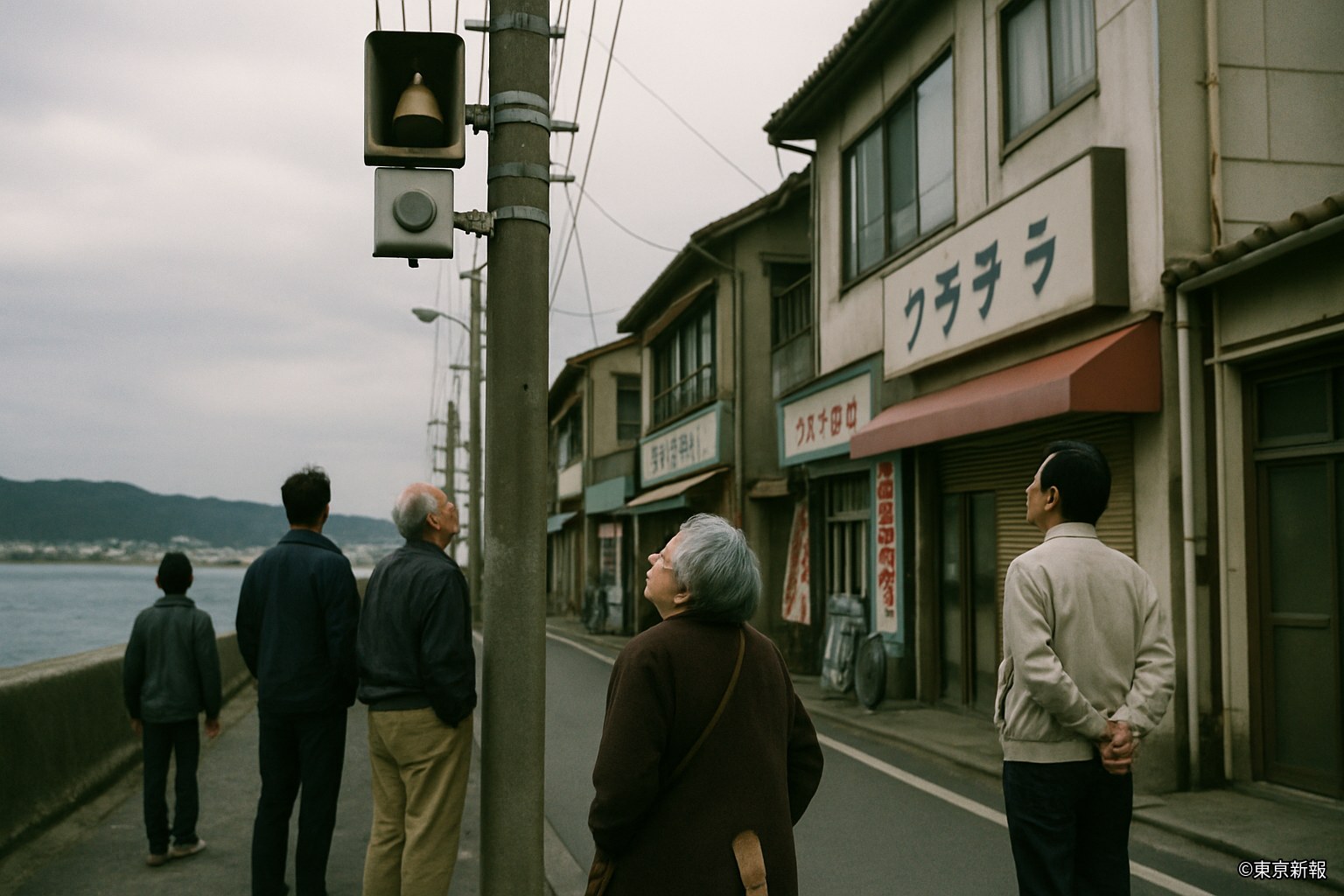
The campaign's final day, the 7th, coincides with Arrival Remembrance Day, commemorating the 1975 mass arrival. The ceremony venue, Kishihama Park, sits close to one of the observation points, meaning ceremony security and the observation work will run in parallel along the same stretch of waterfront. TDA reiterated that the timing is set mechanically by the tide cycle: "It's a calendar coincidence, unrelated to the ceremony." The division has coordinated crowd-flow logistics in advance with the city office managing the ceremony, and vehicles will be parked away from attendee routes.
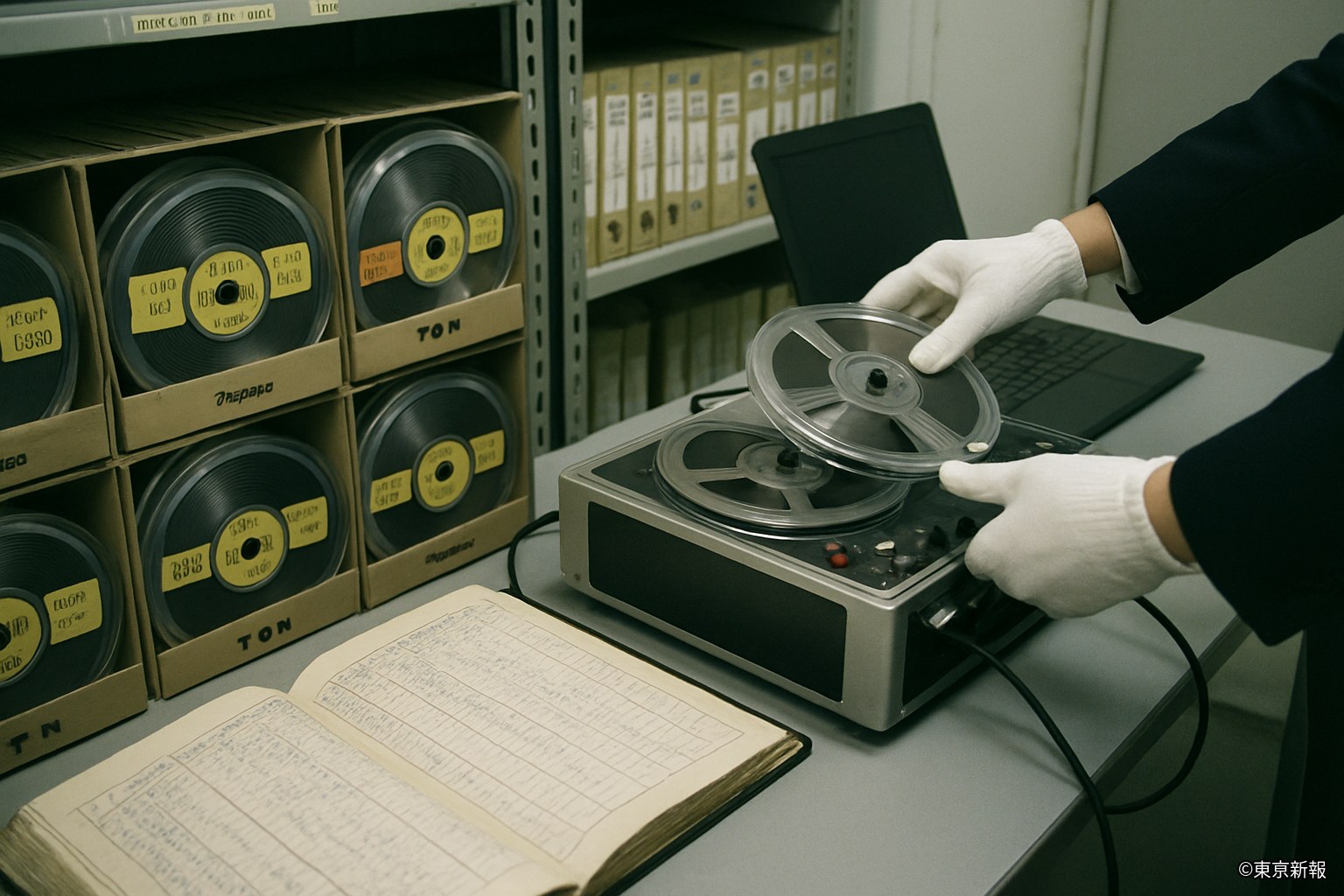
The sensors used differ from those in the separate Nine-Day Fog tape reanalysis project, which is digitizing 23-year-old magnetic tape rather than gathering live data. "The two projects get confused because they're both happening in the bay area at the same time," a TDA official said, "but one is re-reading a 23-year-old record, and the other is three days of live observation."
Elevated index readings are expected in bay areas during the campaign, and TDA's morning forecast on the 4th projected higher-than-average index levels for the 5th through 7th. As previously reported, insurers including Sonae-ya set premium surcharges of 1.5 to 1.8 times normal rates for bay coastal areas based on that forecast, and complaints to the municipal consumer center over the timing, coinciding with Remembrance Week, have continued. TDA repeated its standing position that it issues forecasts, not rate decisions.
Results will not be released even in preliminary form during the three-day window. "Releasing partial figures risks people reading too much into the calendar," an official said. "A single, complete release is the more honest approach." A finding either way is not expected before late this month.
Officials from TDA and the rail operator both say the added vehicle traffic around the Bay Monorail line should have no direct effect on service, though the line remains under a slowdown order between Fukagawa and Kameido due to permeation-related restrictions, and that slowdown zone could expand if the index rises sharply during the campaign.