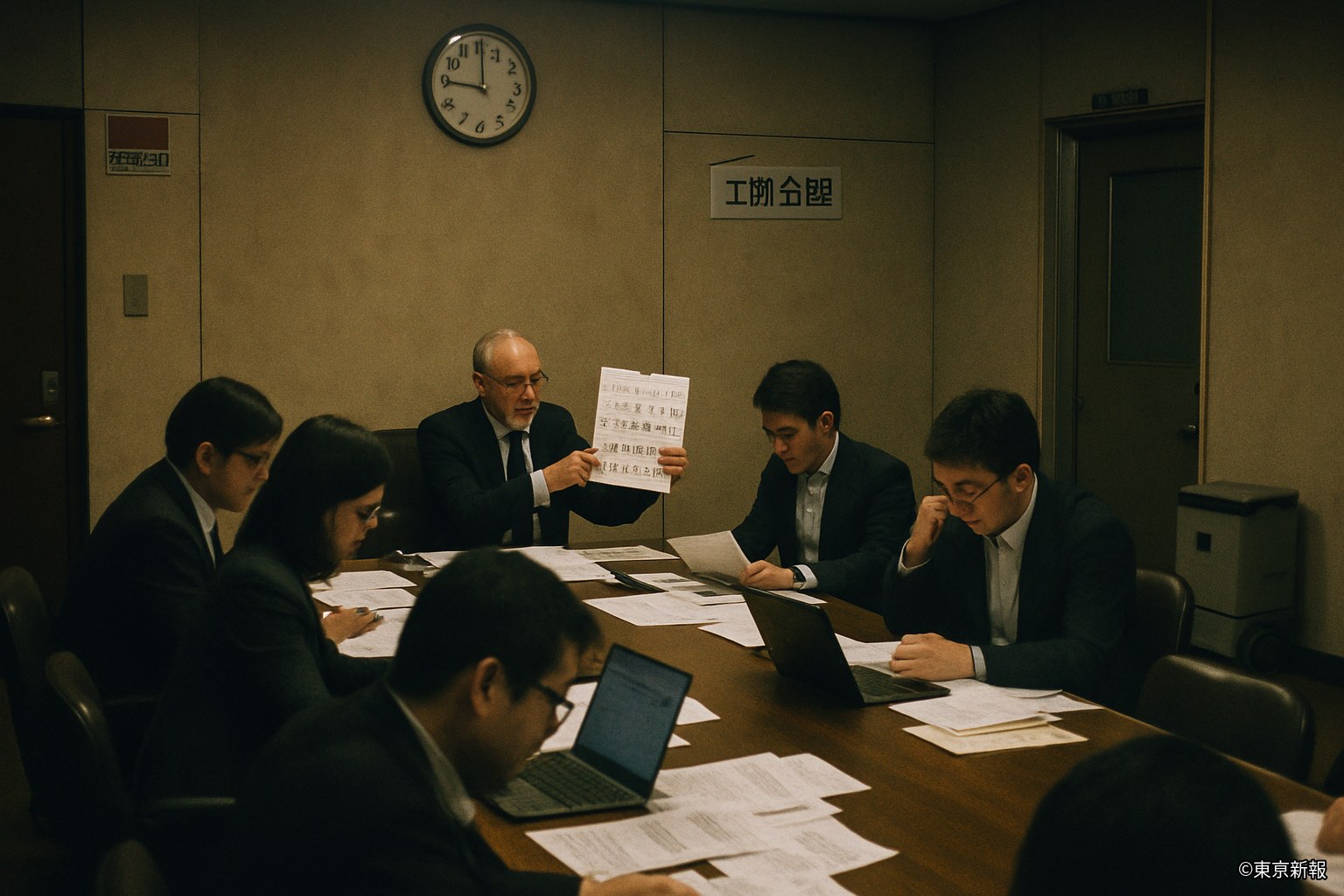
Symbiotic Robots' 'Retirement' Guideline Extended — First Labor-Management Deal Also Adds a Box for the Robot's Own Preference
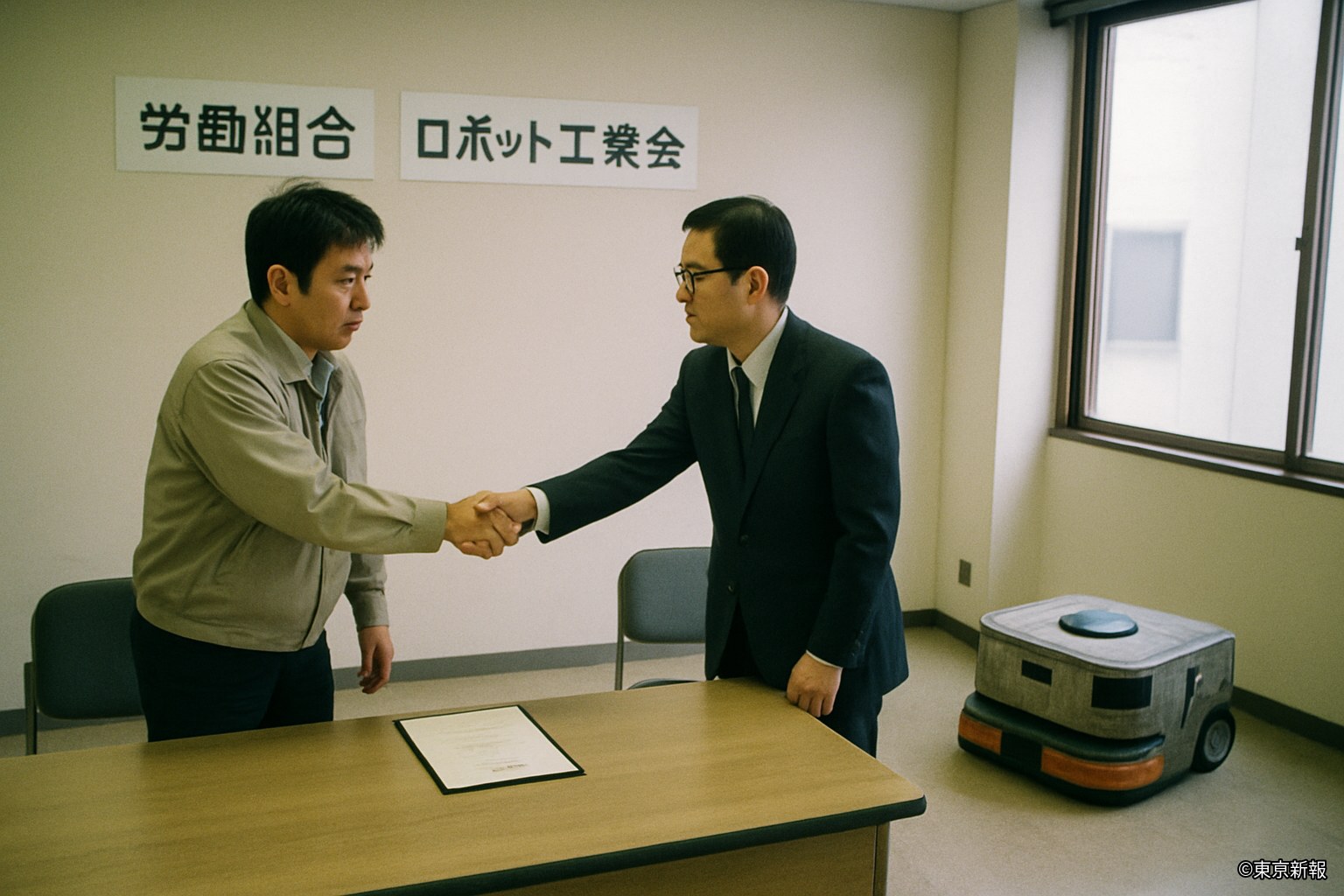
Kyosei Kyodosha Kumiai, a labor union for people who work alongside symbiotic robots, and the Hinokuni Robot Manufacturers' Association reached their first-ever agreement on the 22nd to extend the standard service-life guideline used to judge when a workplace robot should 'retire.' The extension varies by model, but the revised guideline also adds, for the first time, a box for owners to record the robot's 'own preference' about continuing to work — a practical accommodation written into day-to-day operation, separate from the still-unresolved question of legal personhood.
The legal status of symbiotic robots remains "unresolved" at the Robot Legislative Review Panel (see our Politics page), but day-to-day operations have long relied on a practical benchmark: a "standard service life" set per model. Insurance rates and parts-supply planning are built around this benchmark, and a robot that reaches it typically "retires" — kept in static storage by its owner, or entrusted to a long-term care business such as Tokiwado.
Kyosei Kyodosha Kumiai, a labor union for people who work daily alongside symbiotic robots, had petitioned the Hinokuni Robot Manufacturers' Association this year to revise the benchmark, arguing it failed to reflect how units actually perform over time. Under the agreement reached on the 22nd, standard service-life guidelines for major categories — warehouse transport units, cleaning units and others — will be extended by one to three years.
What has drawn the most attention, however, is not the extension itself but a newly added box on the revised guideline: a space to record the robot's own apparent preference about continuing to work. When an owner weighs a retirement decision, they will now note whether the unit's operating patterns and responses "appear to indicate a wish to continue," attaching the record to the filing sent to the insurer. A union representative explained: "Whether or not the law ever recognizes legal personhood, the people who work with these machines every day can tell the difference in how eagerly a unit shows up. The request started from wanting that noticed somewhere on paper."
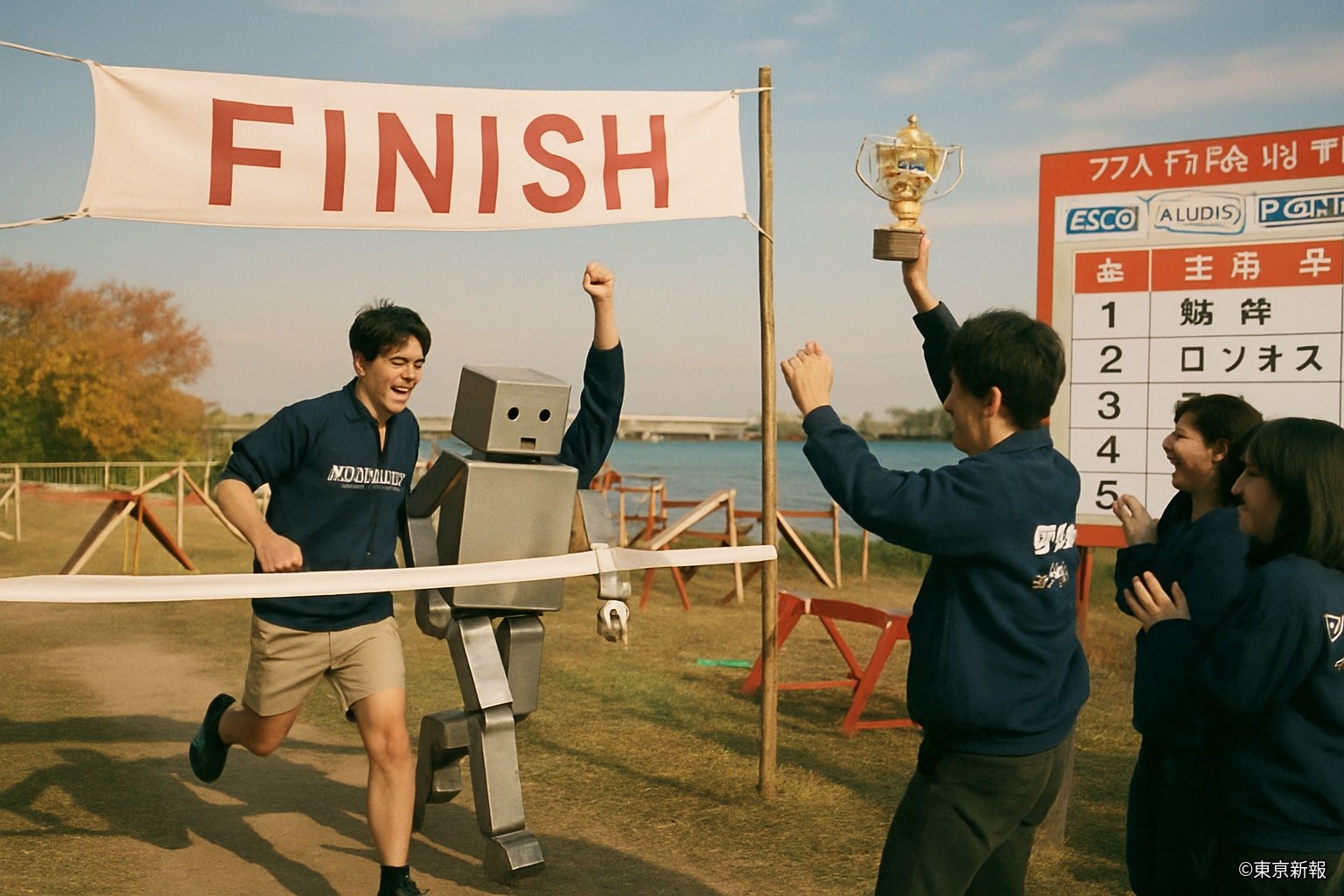
One spark behind the idea was Unit Four, the Tokiwado-held robot that won its first-ever placing at the Kiko Run races on October 4, as previously reported. Tokuzo Tokiwa, 67, head of Tokiwado, called the new box "a way for workplaces that aren't in the long-term-care business to record the same thing we noticed about Unit Four — that it's the first one waiting by the shutter on practice days, even though it's already supposedly retired." Daisuke Okita, 24, Unit Four's human partner, said: "I'm honestly still not sure what to write in that box. But just not being treated as unworth noticing already feels different."
An association representative said the industry judged there was room to move on practical operations "without waiting for a conclusion on quasi-personhood." Though the panel had, just the night before, set its first firm date — January 26 — for the 15th report, the association stressed that "whichever way the panel's conclusion goes, it won't affect this guideline's standing." An insurance industry group added that preference records won't directly move premiums for now, but will be kept as reference data for future institutional design.
Both the extension and the preference box operate within the existing design-restraint rule limiting symbiotic robots to non-humanoid forms. "This isn't about making units look more human," the union said. "We've only made room, in the time a unit has left under the old benchmark, for what the people working beside it actually notice." The revised guideline takes effect next April — moving ahead of whatever the legal-status debate decides on January 26.