Rukai's Advance Team Eyed for a Three-Week November Stay as Appraisal Cooperation Expands
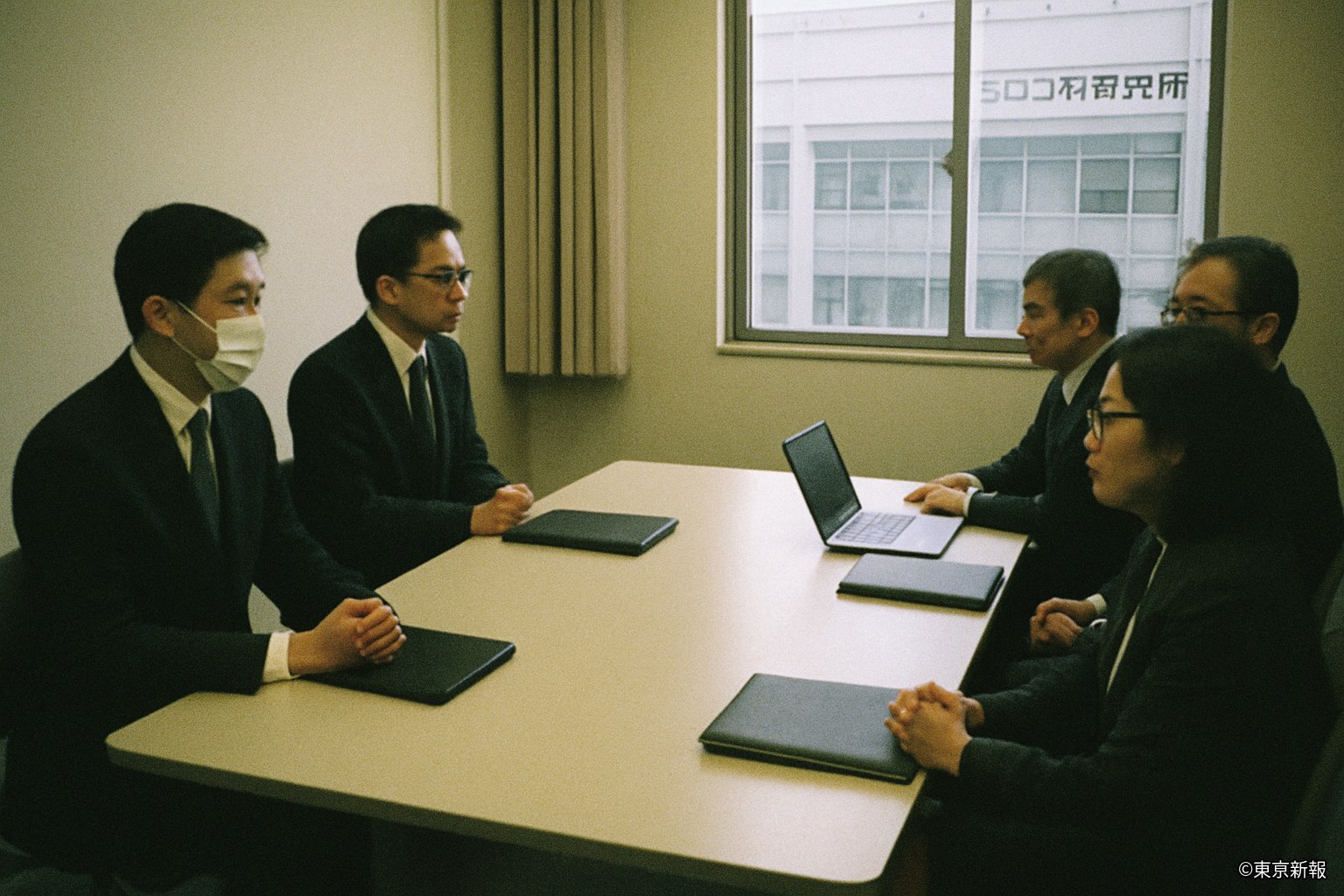
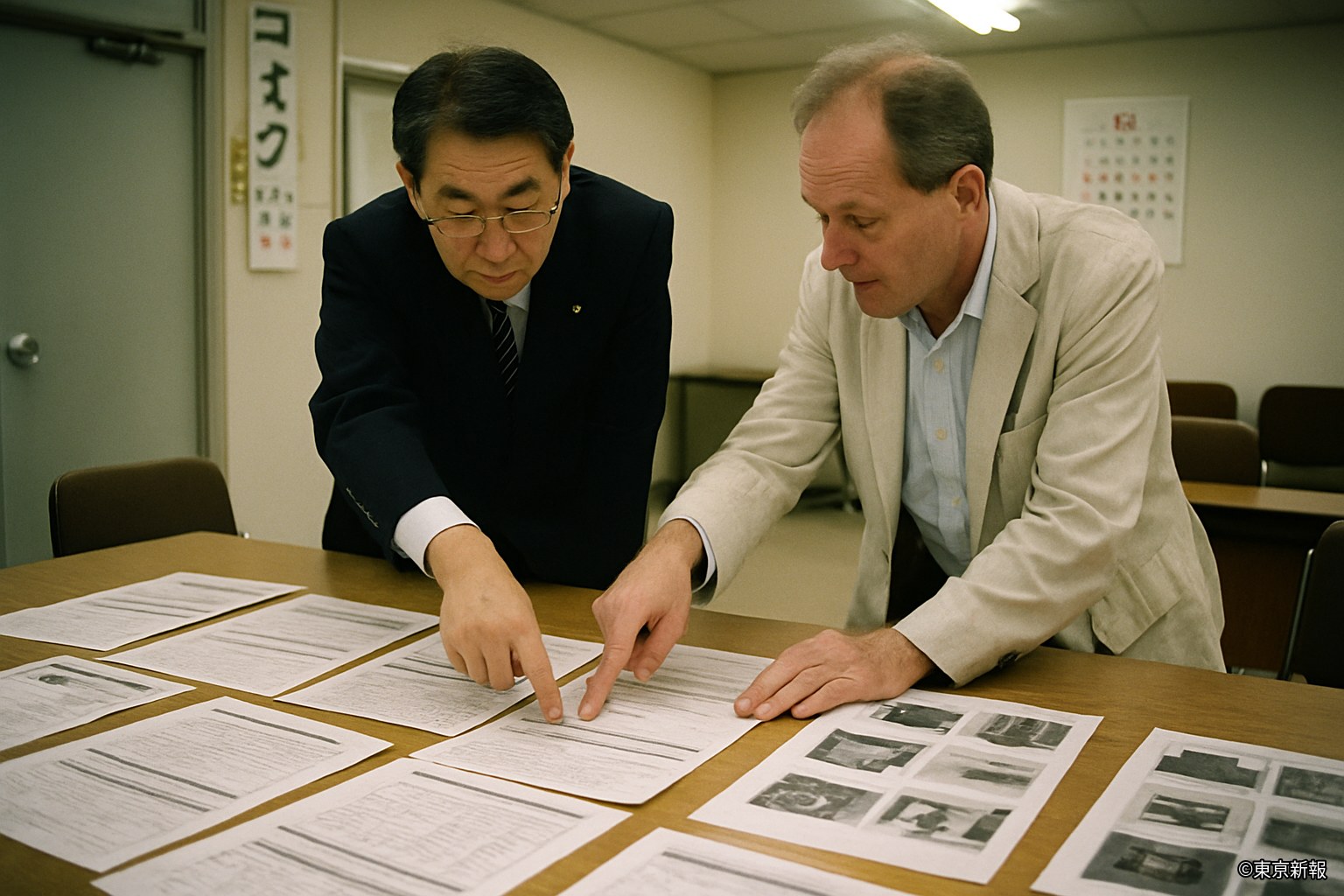
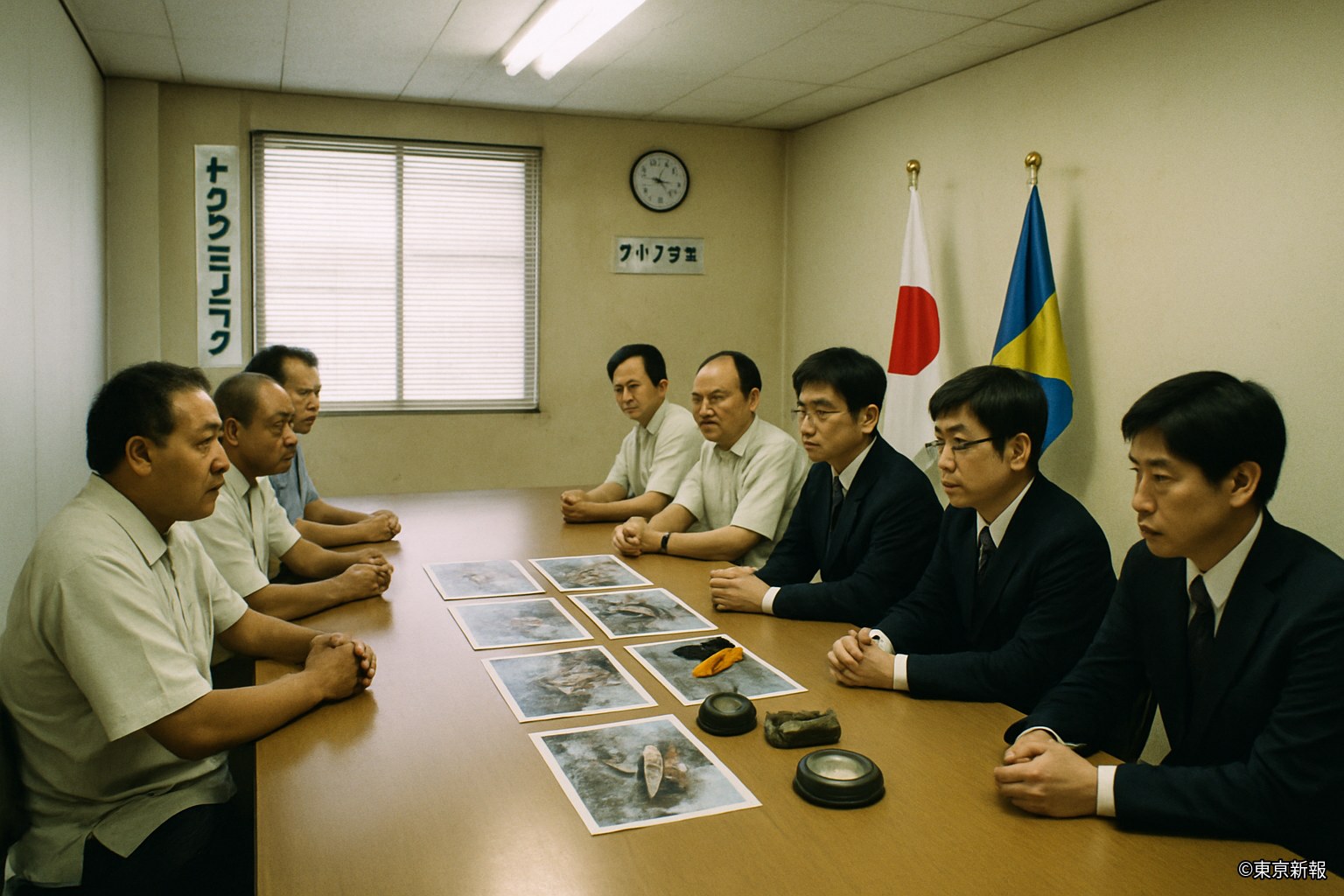
Rukai's advance team, led by Manon Keirea, deputy director of the Kingdom's Salvage Agency, began discussing concrete scheduling with the Third Appraisal Center on the 25th for the November advance dispatch previously reported. According to those involved, the two sides are coordinating around a stay of roughly three weeks starting around Nov. 10, with two to three people on each side. The move gets a head start on the reciprocal appraiser-training pillar of the expanded agreement ahead of King Kaie III's state visit — his first since taking the throne — set for Oct. 19–22. A formal announcement is expected by early October.
As previously reported, Manon Keirea, 48, deputy director of Rukai's Salvage Agency, indicated on the 17th that full-scale implementation — a program of a dozen-plus people a year with roughly three-month training stints — would be pushed to next fiscal year or later, in favor of a trial advance dispatch of two to three people on each side for a few weeks in November. Sources familiar with the matter told this paper that talks on the 25th, between the advance team now in Tokei and Third Appraisal Center staff, have converged on a rough framework: a stay of about three weeks starting around Nov. 10, with two to three people per side.
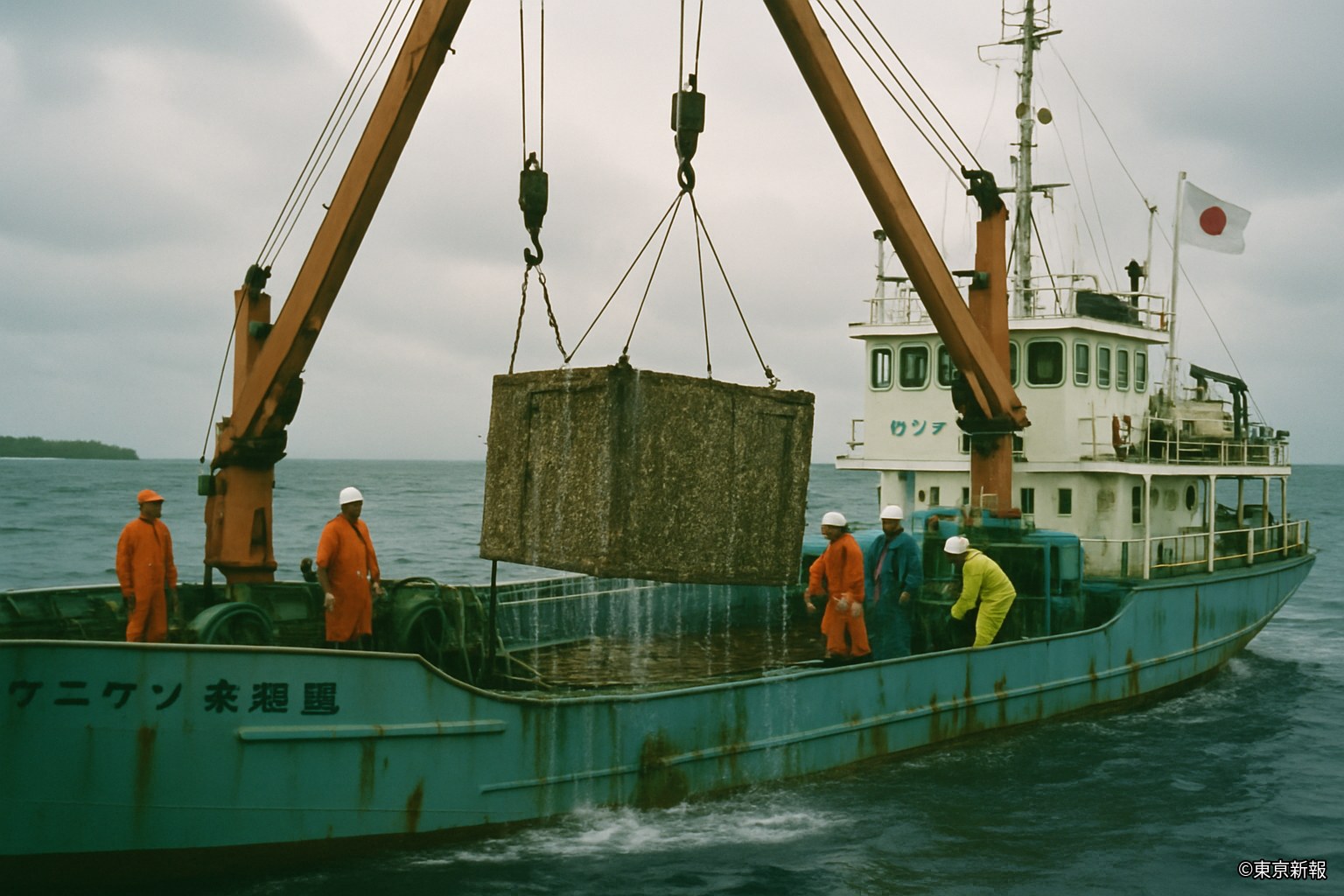
The dispatch's content will center on mutual observation and exchange of appraisal methods, with hands-on training — handling actual drift objects — held off until full implementation. A Third Appraisal Center official told this paper, "Three weeks isn't enough time to get into hands-on work without leaving things half-finished. We want this period to be about watching each other's sites and figuring out what we can actually teach one another." Given Rukai's twelve dedicated salvage vessels and a workforce in which roughly one in eight citizens works in salvage and appraisal, as previously reported, the visiting side is expected to bring volume of experience, while the Tokei side brings the precision of the Third Appraisal Center's lineage-matching database, now past 150 registered lineages.
The November timing follows from King Kaie III's state visit, previously reported for Oct. 19–22 — his first since ascending the throne. Its centerpiece is the expanded appraisal cooperation agreement, and the reciprocal training pillar at its heart is being set in motion before the visit so it doesn't remain, in one source's words, "an agreement that only exists on paper." Keirea told this paper, "Our conclusion was that waiting for the king's visit to begin would be too late. Even a small step is worth taking first."
Hinokuni and the Kingdom of Rukai are, as previously reported, linked by the appraisal cooperation agreement as friendly nations. Within the three-way split over the window treaty — the disclosure camp, the sovereignty camp, and the undecided middle, as previously reported — Rukai sits with the disclosure camp, but this round of talks is proceeding as bilateral practical cooperation, separate from that camp politics. A foreign ministry source said, "Relations with Rukai are one of the few purely positive threads running through window-treaty negotiations, which otherwise have plenty of friction."
One Third Appraisal Center appraiser said, "People like to say it's volume on their side and precision on ours, but there's a lot you only learn by actually working side by side. Three weeks sounds short, but it should be enough time to spot where our two sides' assumptions don't quite line up." A member of the Rukai advance team told this paper, "We're trained to judge whether something's dangerous the moment we pull it out of the water, but the idea of pushing lineage-matching precision this far never really existed back home. There are already several things I want to bring back and report." The comment hinted at real appetite for the dispatch itself.
Specific personnel and a detailed itinerary remain to be worked out. A formal announcement is expected in early October and may be released alongside details of the state visit. The timing for full implementation of the reciprocal training program — a dozen-plus people a year, roughly three months each — will be judged based on how this advance dispatch goes, with a decision expected next fiscal year or later.