Inland warehouse rents jump 12% as "index evacuation" takes hold
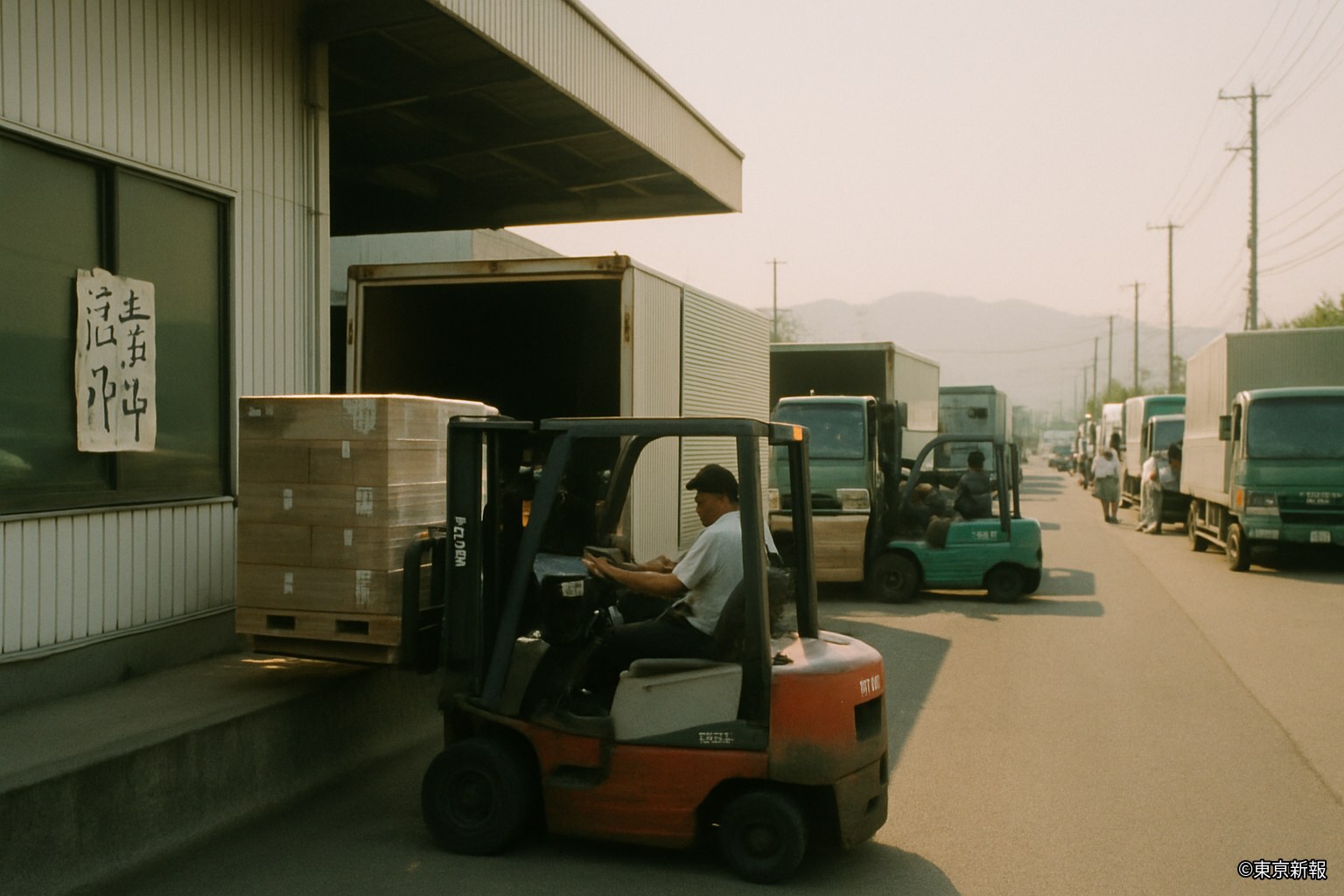
Warehouse rents in the inland western districts rose 12 percent year on year in August, the highest since records began, according to the monthly market survey released Sept. 1 by the Tokei Logistics Institute. Bay-area vacancy rates rose for the first time in three years.
"It is as if the map has gained one more contour line," the institute's chief researcher said. "Alongside elevation and distance to a station, the long-term average of the permeation index has begun to set the rent." What began this summer as a stopgap — freight companies rerouting night runs inland — has become permanent. Vacancy at major inland facilities is now below 1 percent: money waiting for buildings that do not exist.
The bayside is fighting back. Suhama Warehouse, a major bay operator, is stacking retention measures — bundled discounts with forecast-linked insurance, additional high-level "refuge shelving," in-house broadcasts of index bulletins. "The bay's strength is that it comes with a quay," a manager said. "Ships cannot evacuate." Even so, the firm's new contracts fell below last year's.
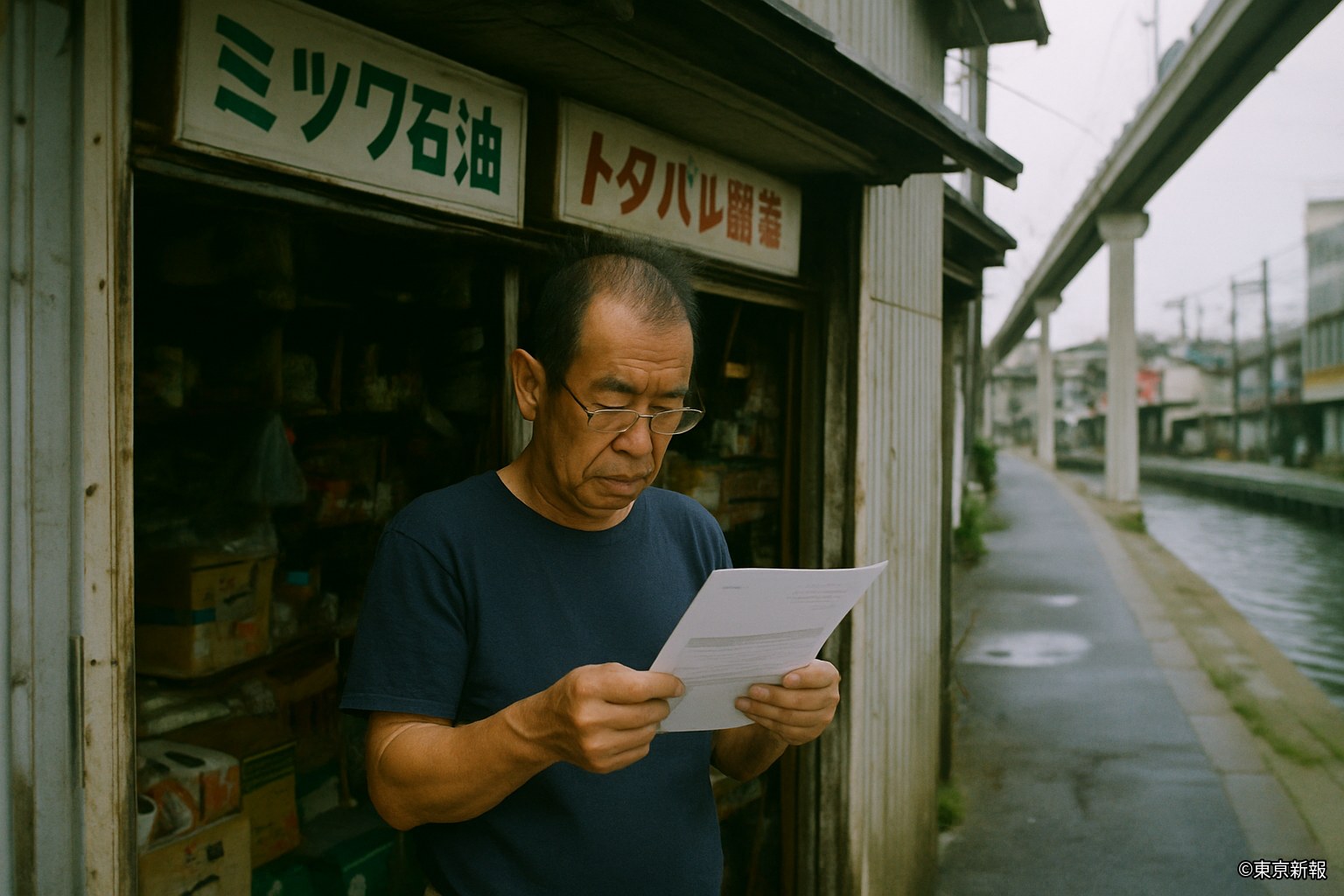
Evacuation, though, is for those who can afford it. A small food wholesaler in the eastern wards, 57, priced an inland move and gave up: "The estimate equaled a full year of our profit. Those of us who stay pay more for insurance and more for rent. It feels like being charged twice." Echoing the financial regulator's scrutiny of the "forecast divide" in insurance, shippers' associations have begun demanding that landlords disclose the basis for index-justified rent increases. The institute's outlook is dry: "Warehouse leases run for years. The index may come down. Rents will not hurry after it."