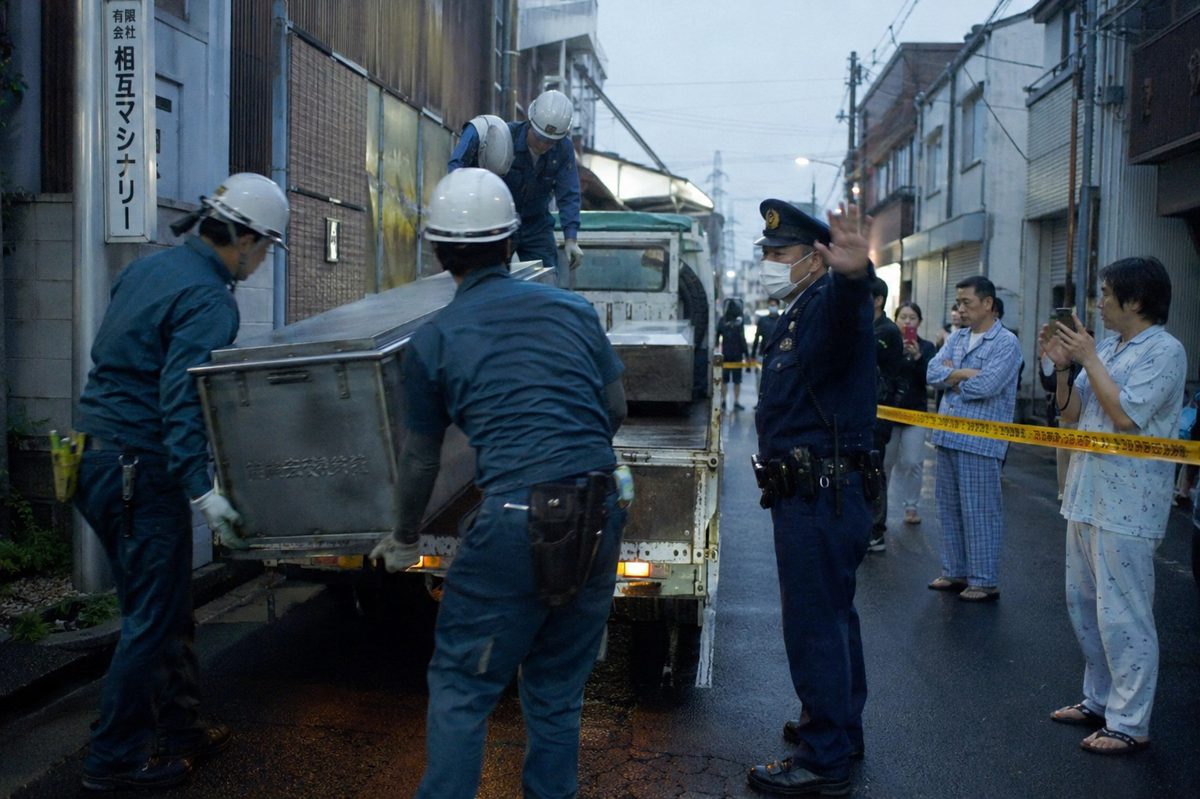
Bay area logs 14th "medium" index day this month
The bay area's permeation index registered "medium" again on the 29th, the 14th such day this month — more than double the normal pace. The TDA forecast office noted for the first time that this "may exceed the range of seasonal variation."
The permeation index is the TDA's five-level forecast measure of how "thin" the dimensional boundary is. "Medium," the third level, imposes no restrictions on outdoor activity but triggers operational measures such as reduced speeds on the Bayside Monorail. The bay area averages about six "medium"-or-above days in August; this year it has reached fourteen with days still left in the month — the most since record-keeping began in Torek 31.
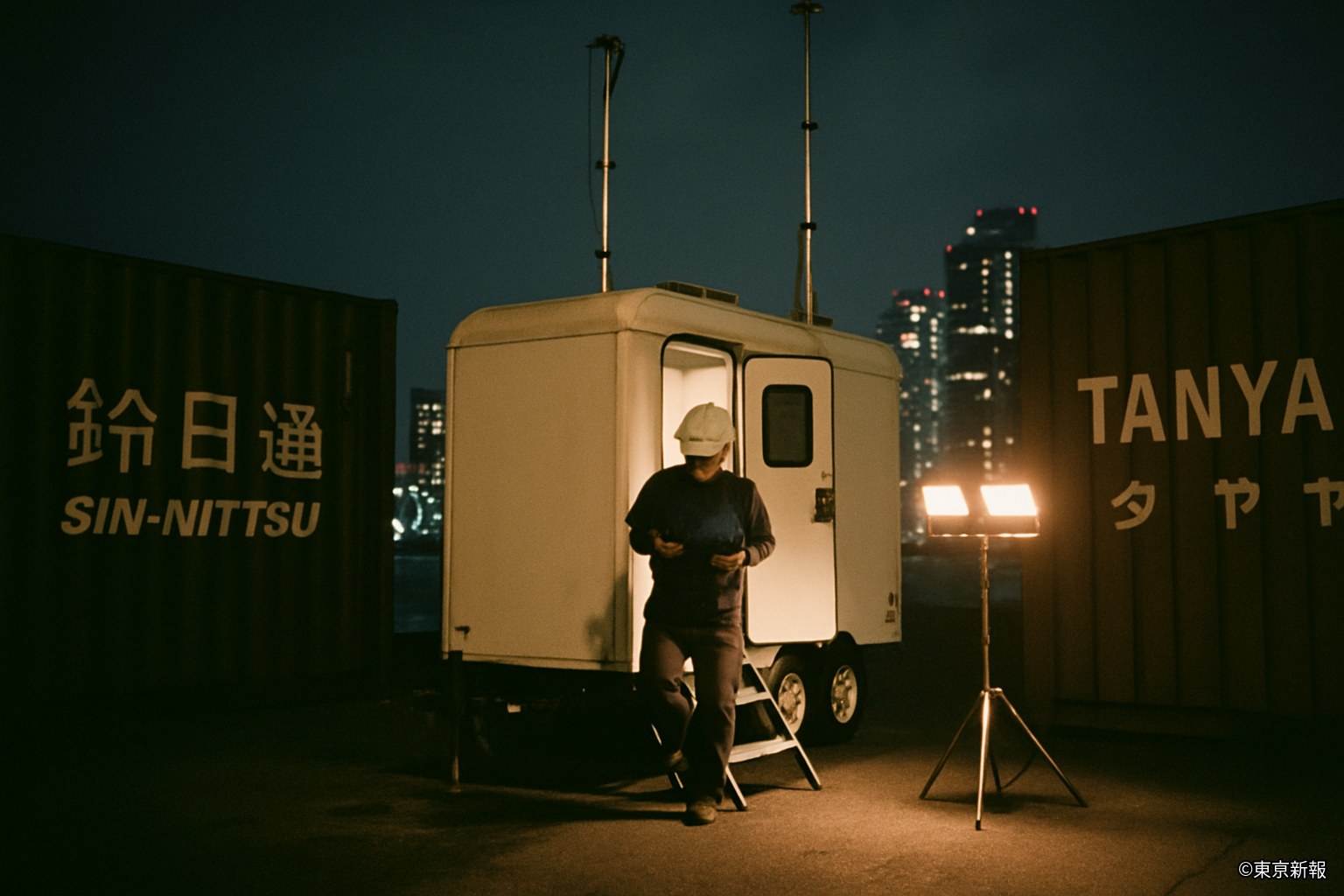
According to the forecast division, the index is being driven not by sudden events like the Fukagawa mid-scale Yuragi of the 21st but by weak, long-duration fluctuations with a different waveform character. Two temporary observation points have been added, and their data show larger-than-usual swings within each day. "Each one is small, but the next arrives before the last has fully subsided," the chief forecaster explained. "If the boundary were the sea, this is not a big wave. It is a swell that will not stop."
While maintaining that "the cause has not been identified," the division said for the first time at Friday's briefing that the pattern "may exceed the range of seasonal variation." An interim report is due early next week, and the division disclosed that it has begun operational consultations with the city over outdoor events planned around Drift Memorial Day in September. It stresses that nothing currently warrants cancellations.
The sustained index is quietly reshaping bayfront routines. Outdoor school pools are restricted, with swimming classes bused to indoor facilities in Joto; night freight has shifted from the slowed monorail to trucks, putting 1.3 times the usual traffic on the arterial roads after dark. Market sources say some firms have begun renting inland warehouses to avoid the bayfront — the trade has started calling it "index evacuation."
How the index sits with daily life differs by generation. A university student, 20, born and raised on the bayfront: "There were 'medium' days all through my childhood. You check the forecast and plan around it, same as the laundry." An office worker, 35, two years since moving in: "At first I braced myself at every 'medium.' I've grown used to it now — though whether it's something one ought to get used to, I still can't say."
The monorail slowdown has now passed a week; the Fukagawa–Kameido run takes about 1.7 times as long as usual, with passengers left on platforms at the morning peak. Along the line, shopkeepers report a stream of kishi-kenbutsu — index tourists — but grumble that "the regulars aren't coming." A greengrocer smiled wryly: "The gawkers take pictures and go home. They don't buy daikon."
Meanwhile the forecast app Madoban reports bay-area index pages are being viewed at four times the usual rate. "Interest is welcome, but the index is not an entertainment figure," the forecast division said. "Approaching a cordon on a 'medium' day is dangerous whatever the number says."