TDA seeks record 147 billion yen, with permanent stations and the bell system at its core
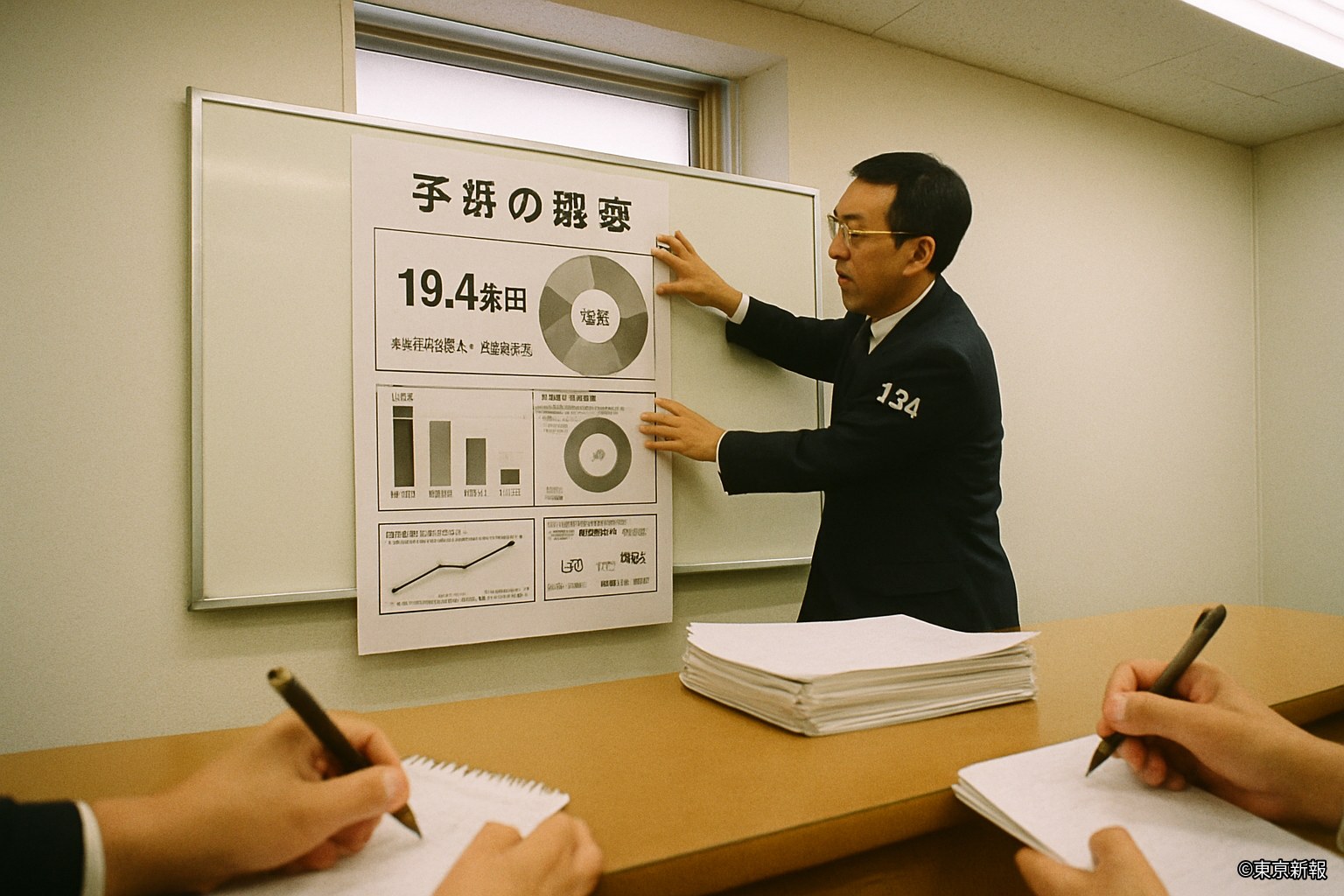
The TDA released its budget request for the coming fiscal year on Aug. 31. At 147 billion yen, up 14 percent from this year, it is the largest since the agency was founded. Its pillars are making permanent two temporary bay-area observation stations, adding staff at the Third Appraisal Center, and building out the revived bell-signal warning system on the disaster radio network.
The total of 147 billion yen is about 18 billion above this year's initial budget. The 14 percent increase far exceeds the agency's recent average of around 3 percent, but officials asked reporters to read the request differently. "Look at it less as a number than as a request to redraw the line between temporary and permanent," one said. The breakdown: about 62 billion yen for the observation network, 41 billion for appraisal and quarantine, 17 billion for warnings and public information, and 13 billion for research and international cooperation.
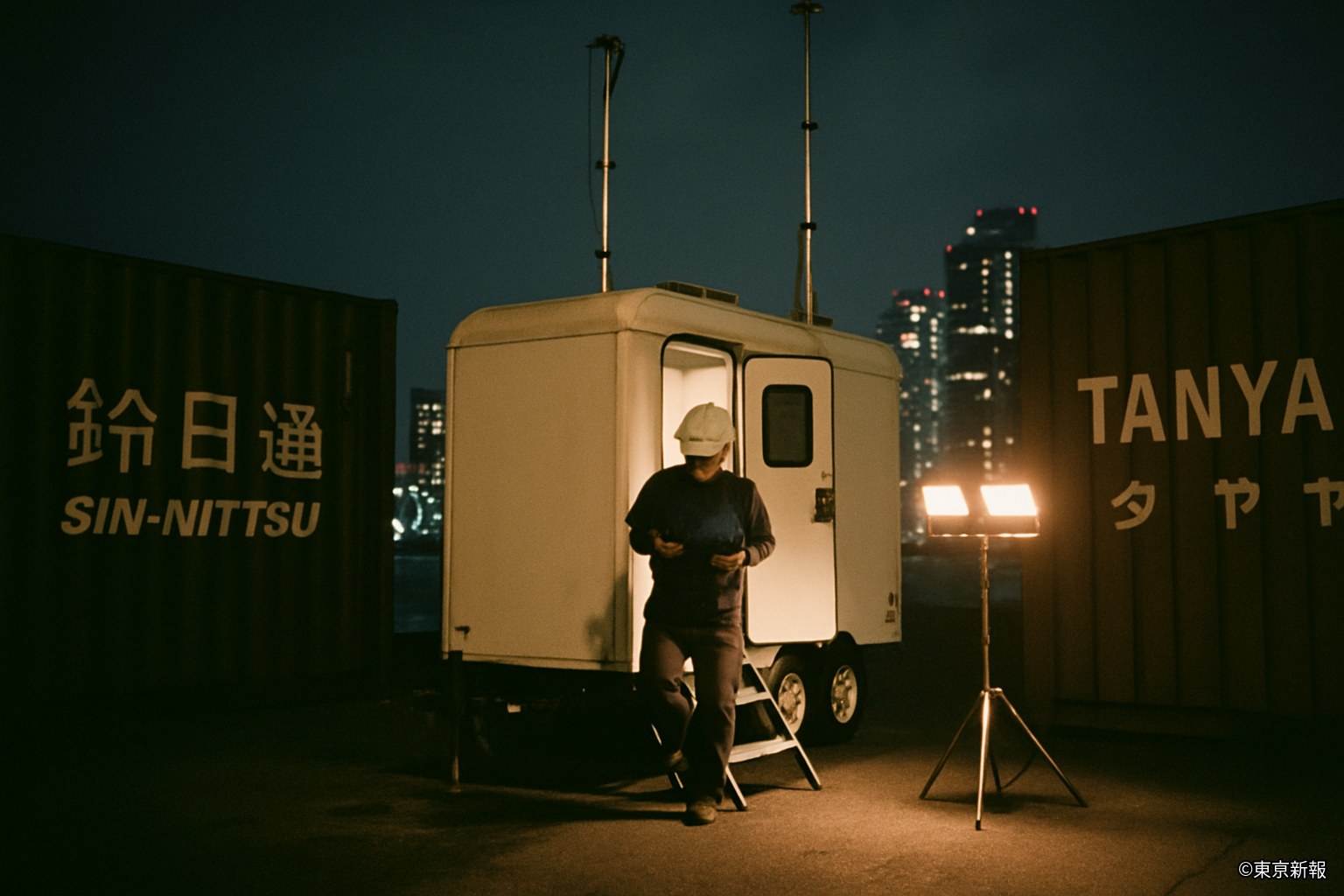
The two bay-area observation stations were installed three years ago as temporary posts — instruments housed in containers, power drawn through cable laid across the ground. Winter swells flooded the cable last season, producing eleven days of missing data. Making the stations permanent, at about 3.8 billion yen for the pair, would replace them with founded structures and buried power, allowing continuous year-round observation. "We have wintered three times in stations we called temporary," a technical officer said. "A day of missing data cannot be filled in afterward. Right now we are adding to the pile of things that cannot be filled in."
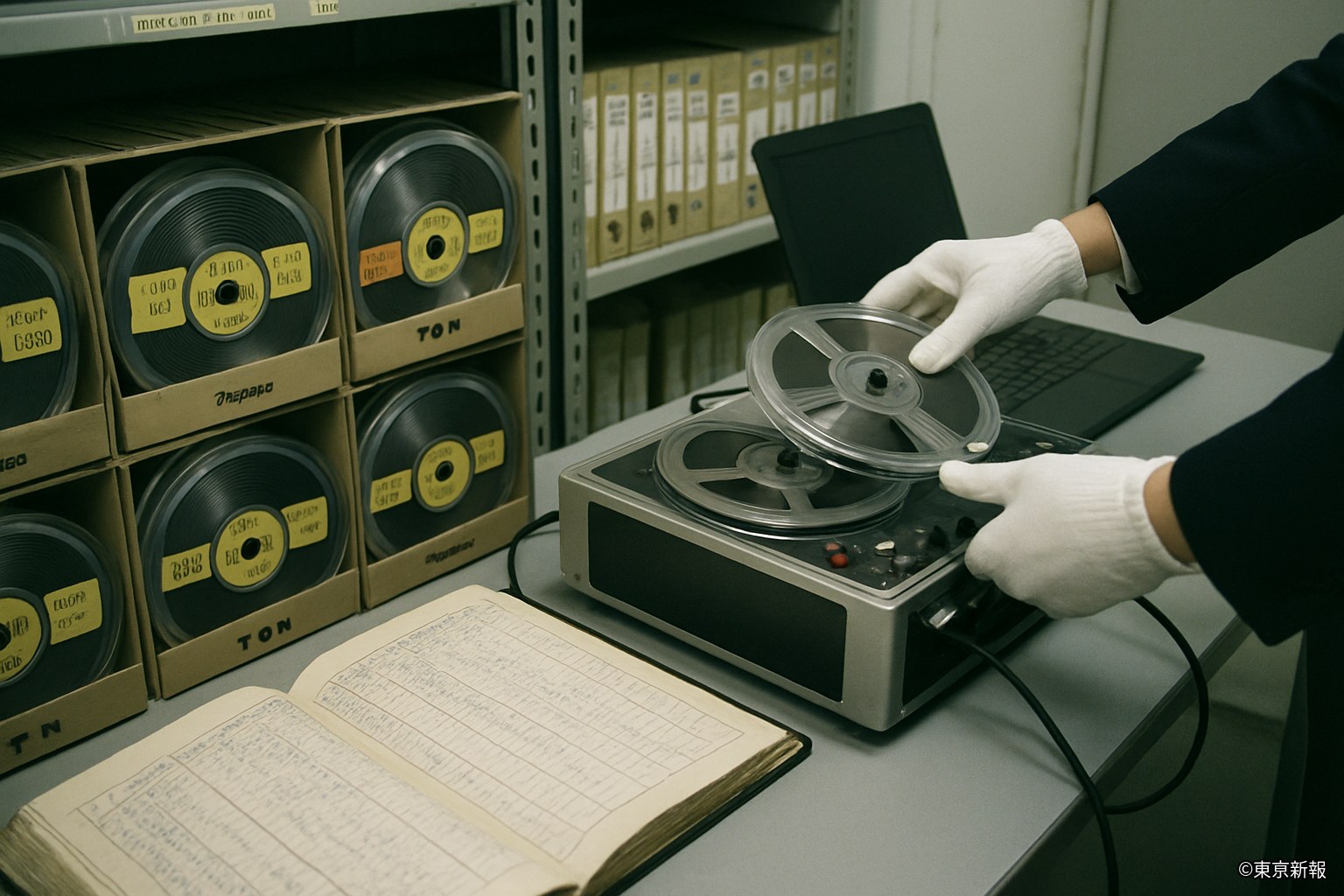
Staffing at the Third Appraisal Center is a fourth consecutive request, this time for 60 additional appraisal assistants. None of the past three requests was granted in full, and even approved posts take two years of training before anyone stands at a shelf. The appraisal backlog reached about four months this summer. The request packet includes a single supporting chart: a line showing waiting days.
About 600 million yen goes to the bell system, the warning method born in the camps, in which the number of strokes conveys the scale of a Yuragi. It will be folded into the disaster radio network as a fallback during power failures and equipment faults. Plans to hang actual bells were dropped; the design now calls for bell tones played from radio-tower speakers. A first-generation woman, 79, remembers the sound. "Three strokes meant put your bag down and get out. Your feet move before you work out the meaning. It was built to be that kind of sound." Test soundings are planned this autumn in three bay districts — with written notice beforehand, officials repeated.
The request also funds a system to make waiting times visible, in response to the disorder around unlicensed preliminary surveys. Owners could enter a filing number to see where their drift object stands in the queue; initial cost is about 900 million yen.
Test soundings are planned this autumn in three bay districts. A mutual-aid group of first-generation Drifters has objected that a warning announced in advance is no longer a warning; the agency replied that drills and the real thing "are designed separately." A neighborhood association head, 66, in the bay area put a different demand on it: "Every year someone says they cannot make out the words on the disaster radio. If the kind of sound carries the meaning, better. But nowhere does it yet say where to run on a night of three strokes. Decide that part with us."
Negotiations with the finance authorities begin in earnest this autumn; over the past five years the agency's requests have been approved at an average rate of 83 percent, with cuts falling mainly on personnel and facilities. "We understand that observation cannot be stopped," one finance official said. "But 'we continue because we do not understand' is a hard basis for a figure. Each year we ask what will become understood." This year, for the first time, the agency attached a three-page annex titled "List of Unresolved Matters" — 37 items, among them the behavior of the liquid surface, unrecorded micro-fluctuations, and the upper bound of seasonal variation in the permeation index.
Director-General Makoto Hiura closed the briefing this way: "After half a century of observation, the things we do not understand have increased rather than decreased. To go on saying that we do not understand, we need to keep observing." Asked about the annex, he said: "It is not a document for winning a budget. It is a list of what stays unknown if we do not win one."