The Towers Were Mirroring Our Own Count — Window 2's Pattern Matches the Observation Pulse
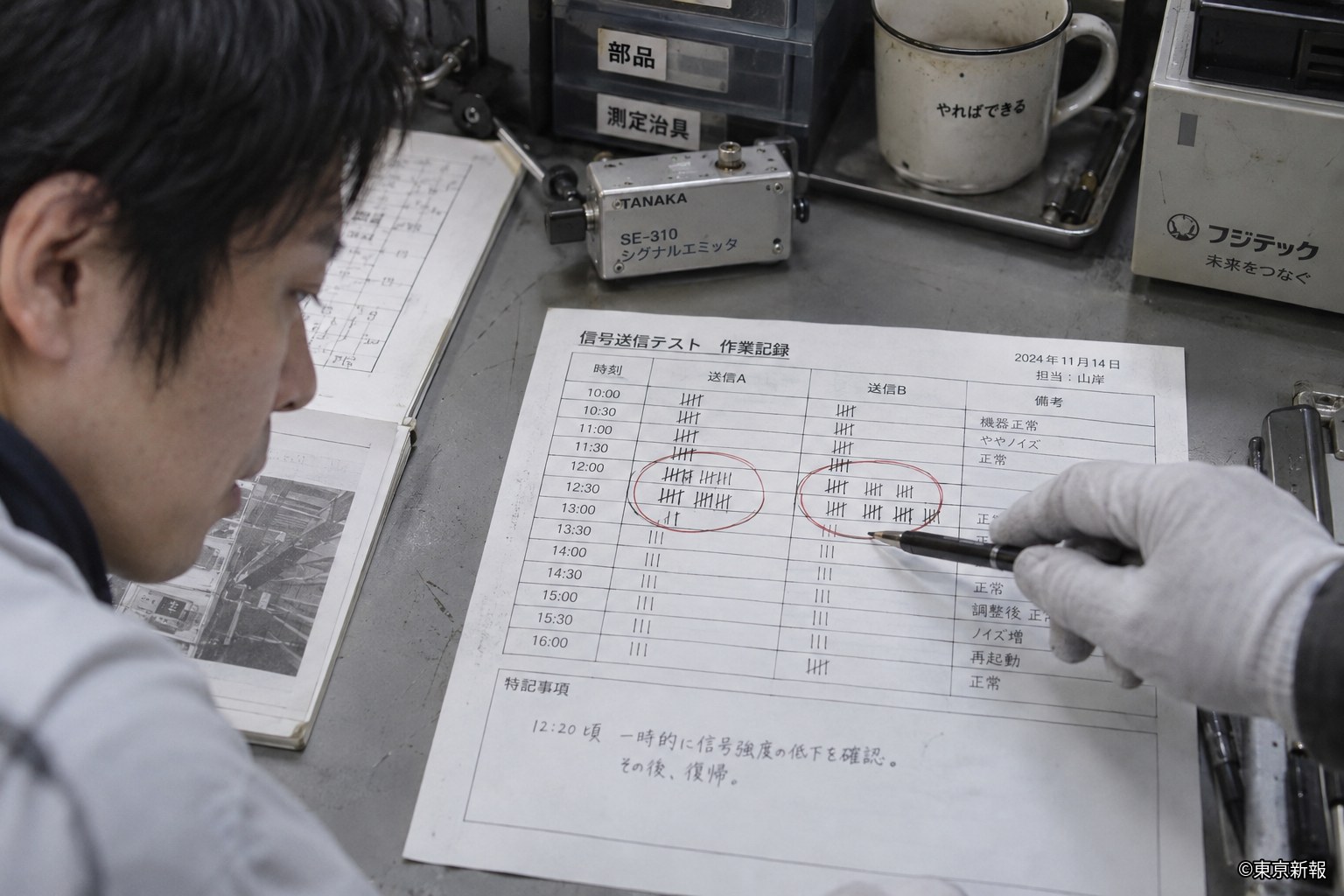
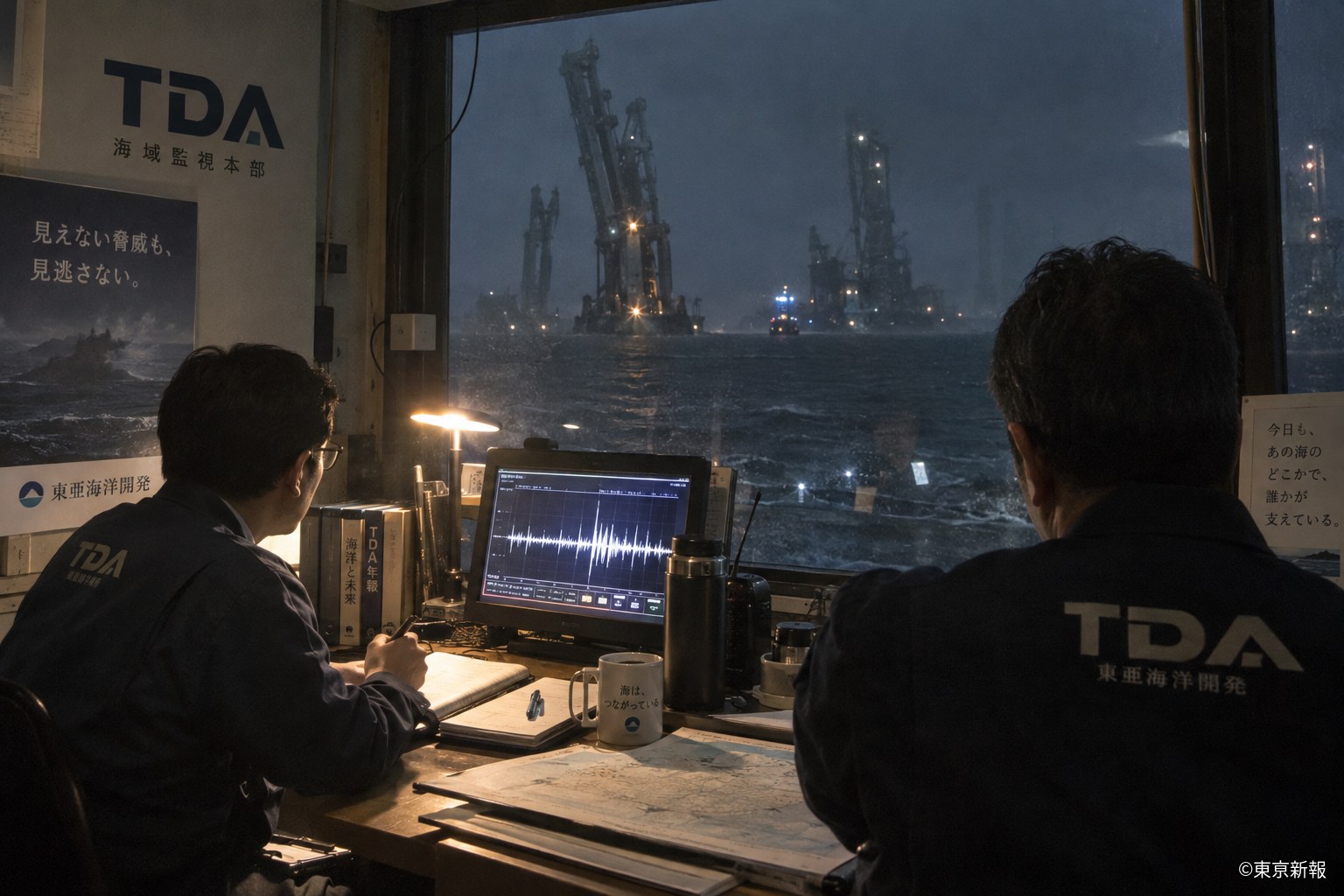
The towers weren't counting on their own — they were echoing us. The TDA's Dimensional Survey Division announced on the 4th that the 'eight' pattern in the tower song at Window 2, 'the Sea of Mechanisms' (Lineage 19), matched the number of 'observation pulses' the division itself sends out each time the window opens. In the early hours of October 27th, during routine calibration work tied to a worn part's replacement, the division had experimentally raised the pulse count from seven to eight — and in that very same opening, the towers' count changed to eight as well. For the first time, the division formally acknowledged what it called mutual recognition: 'They are watching us, and matching the number.'
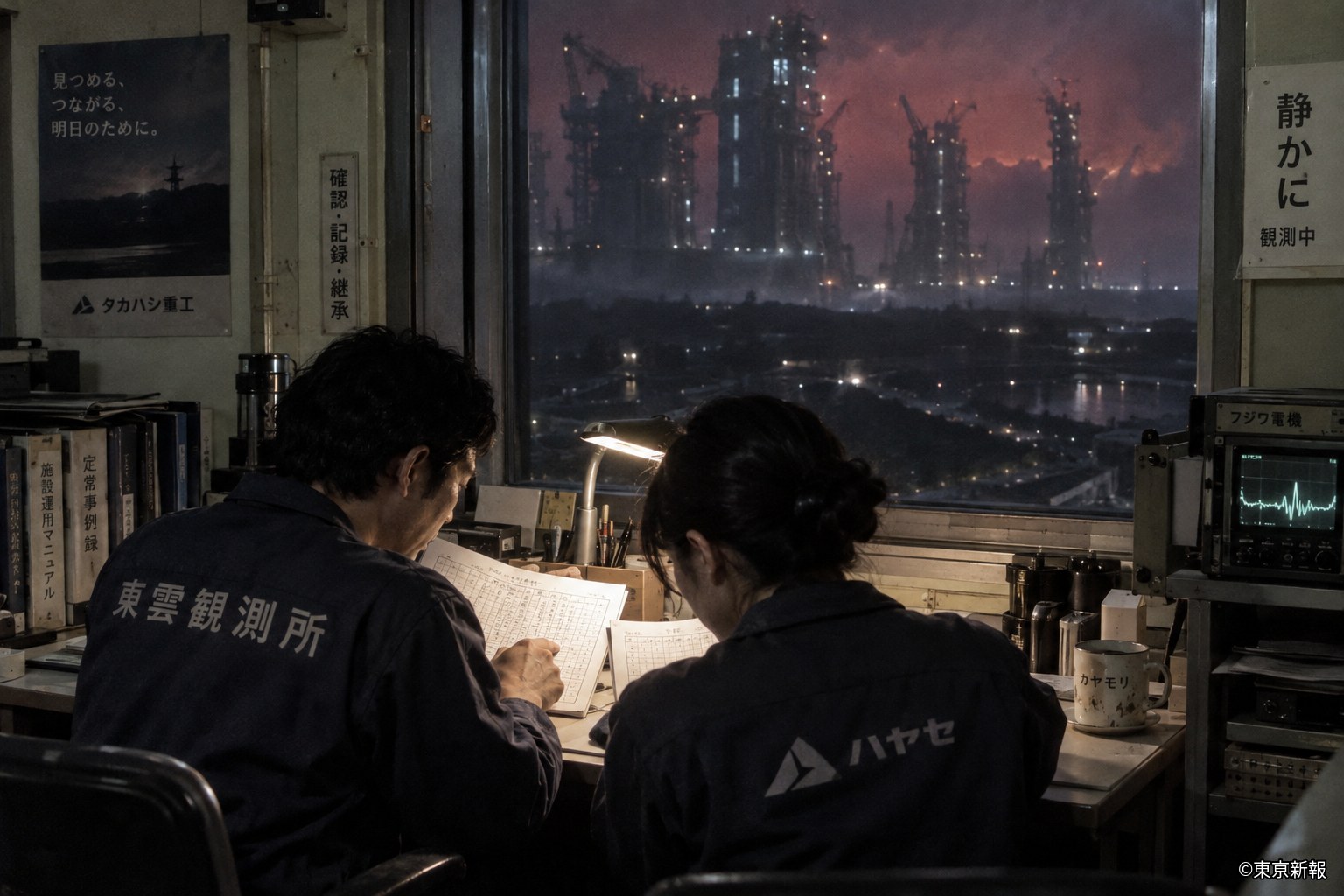
At its regular briefing on the 4th, the TDA's Dimensional Survey Division finally offered backing for a question that had lingered since September 30th: why the "one-through-seven" counting rule in Window 2's "tower song" — confirmed five times running — first broke late on October 26th (during a 64-minute opening beginning at 11:52 p.m.) and then showed a count up to eight, resetting to one, three times over, on the 28th and 29th. The window room's equipment carries a mechanism that, during every opening, emits a short signal called an "observation pulse" at regular intervals toward the other side, to synchronize recording with the phenomenon. Fixed at seven pulses per opening since the window entered service in November 2024, internal engineering logs show this count was experimentally raised to eight during calibration work tied to a worn part's replacement, overnight between the 26th and 27th. The exact time of the change: 12:12 a.m. on the 27th — within the very same opening in which the towers first recorded a count of eight.
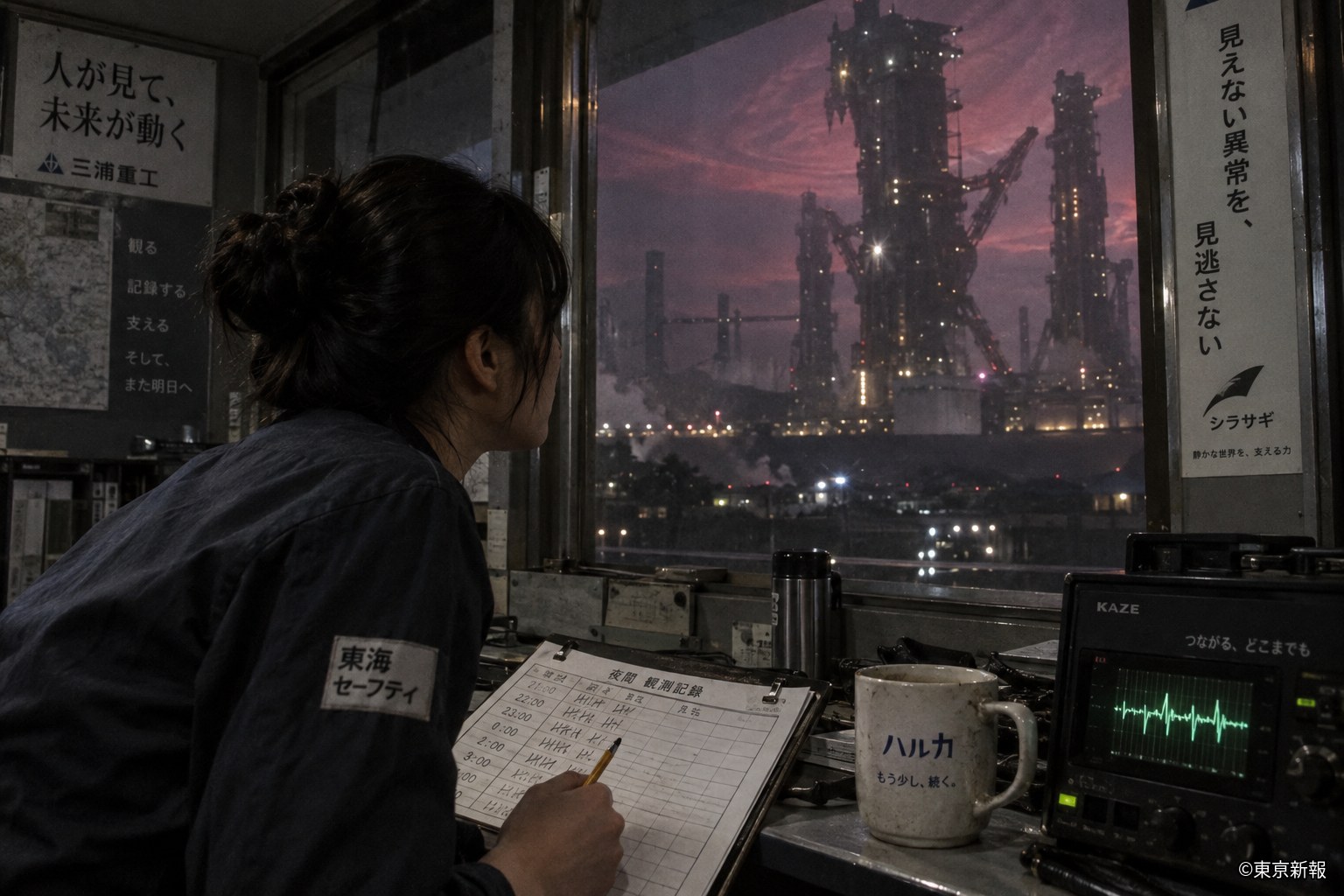
A division official said, "The moment we laid the record of the pulse change next to the record of the tower's changed count, it felt like more than coincidence. It still took us nearly a week to turn that instinct into an announcement." The pulse count remained at eight through the openings on the 28th and 29th, and the towers' count stayed stable at eight as well, reinforcing today's judgment. The division again stopped short of declaring outright communication, saying instead that this is the furthest statement it can responsibly make within the Five Principles: that the other side recognizes a change in our own signal and matches its count to it. Kanata Ogata, 31, Window 2's lead observer previously reported in these pages, cautioned, "We haven't learned what 'eight' means to them. What we've learned is only this one thing: that they reacted to a change on our side."
The engineer who actually raised the pulse count was Yuta Kamo, 29, a signal technician in the TDA's engineering division. "We were replacing an aging transmitter part, and while we were at it, raised the pulse count to sharpen the synchronization of the imagery. It was genuinely routine work," he recalled. He had not expected any change on the other side. "If I'd replaced the part and left the count at seven, today's announcement might have come much later than it did. Thinking about that, honestly, I still don't quite know how to feel."
The most conflicted expression at the briefing belonged to an ordinary citizen, Hiroshi Usami, 58, a retired printing-press worker. A longtime reader of the Dimensional Survey pages, he has mailed TDA's public comment line a postcard with his own guesses every week for two years. His postcard postmarked the 25th had read, "If the eight is real, maybe something changed on our side first." "What unsettles me isn't so much being right," Usami said carefully, "but learning that the other side really did notice something of ours and matched its count to it. I'd been thinking of giving up the postcards after years without a reply. Now I honestly don't know whether I'm glad I kept going, or more unnerved than ever."
TDA Director Makoto Hiura, 58, previously reported, told the briefing, "A variable we changed and a variable that appeared on the other side lined up. That matters as a record, but it doesn't tell us whether the other side understands the act of counting itself." He said the finding will be formally submitted as agenda material to the external expert panel, chaired by Etsuko Kajiura, due to convene in early November.
With this announcement, the Survey Division said it will stop reporting the tower song's count as an ongoing number going forward. "We've written enough articles chasing a number," an official said. "What we should write next is what the other side notices, and what it still doesn't." This paper, too, will shift its coverage of Window 2 away from the running count and toward changes in the observation setup itself.
What is known: the towers' count changed from seven to eight within the same opening in which the TDA unilaterally changed its own pulse count from seven to eight, with no means of informing the other side beforehand; the Survey Division has, for the first time, formally acknowledged mutual recognition. What remains unknown: whether the other side's counting reflects intent or is merely some physical response; the true nature of the towers, and whether any civilization lies behind them; and whether the other side would respond to any change besides the pulse count.
Covering this window, I've written the word "number" more times than I can count — one through seven, the break into eight, a second time, a third — always tacking on "the meaning is unknown." Today, for the first time, I could place the word "notice" on the far side of a number. Neither Usami's postcard nor Kamo's routine part swap was meant to startle anyone across the gap. And yet the world, it turns out, notices our smallest changes a little more than we thought. Outside the window tonight, as ever, nothing offers an answer, and it is quiet. That's fine. The outline of what we don't understand has only grown a little sharper.