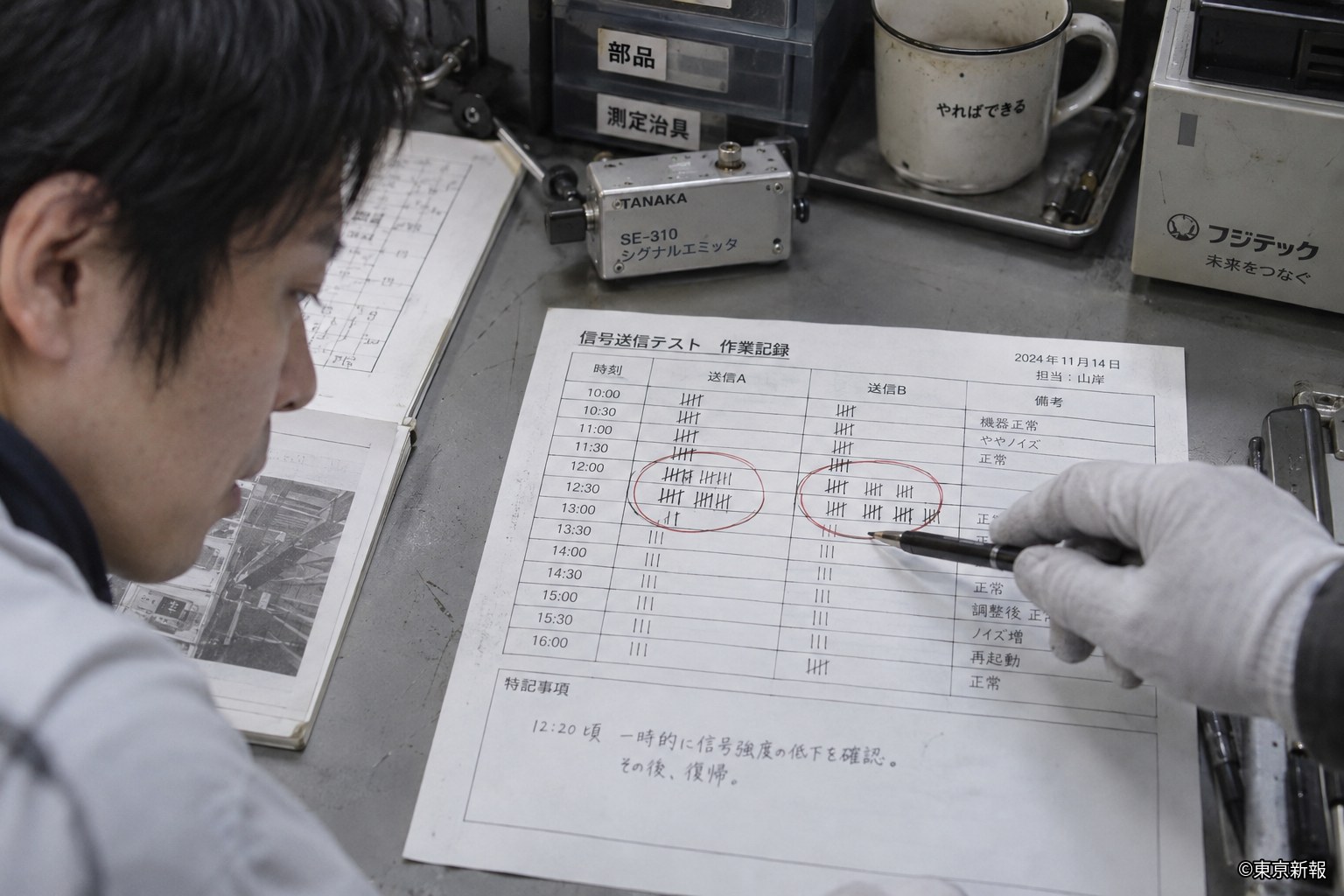
"They Were Counting" Shakes the Robot Law Council — Chair Hasumi: "It Reshapes January's Debate"
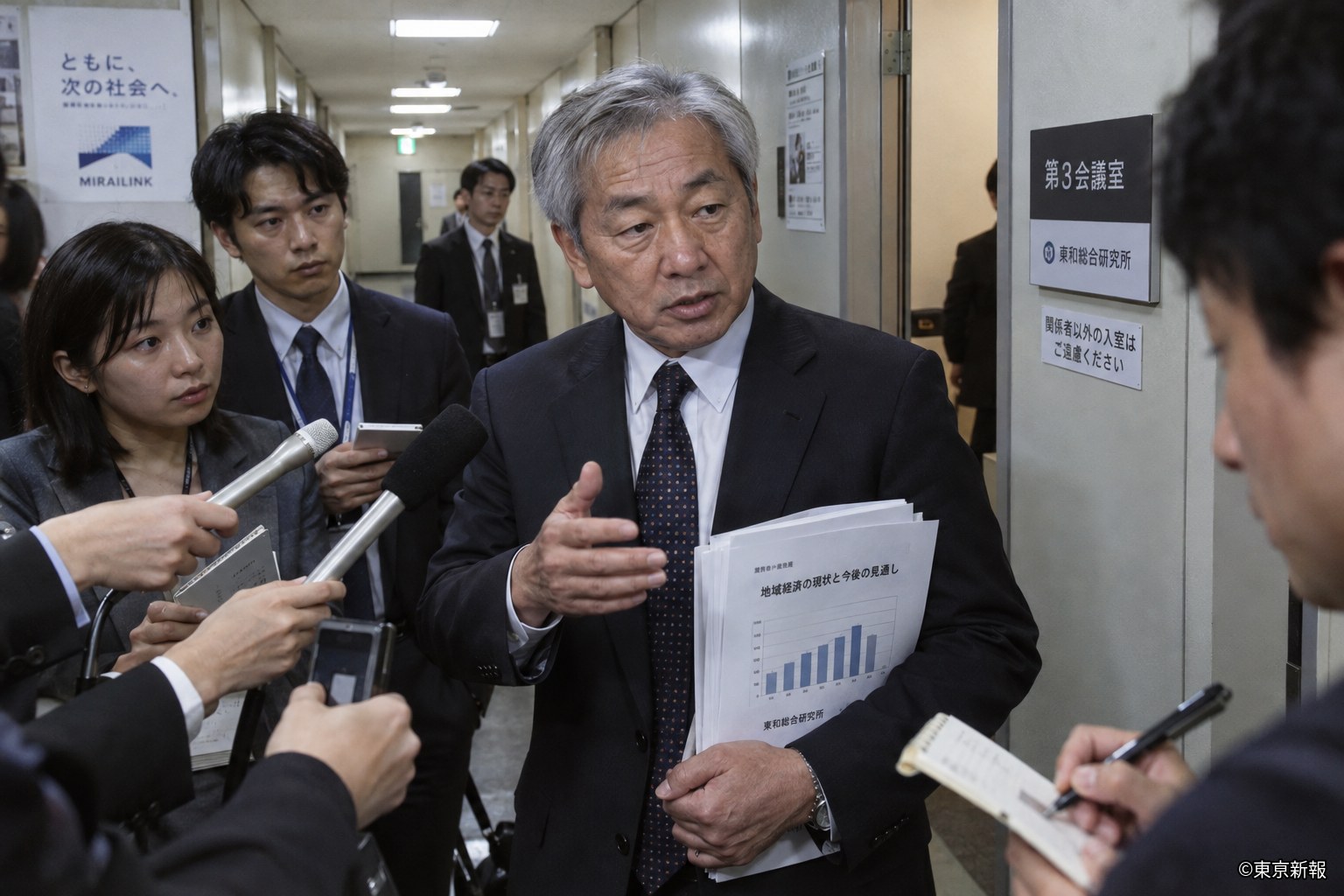
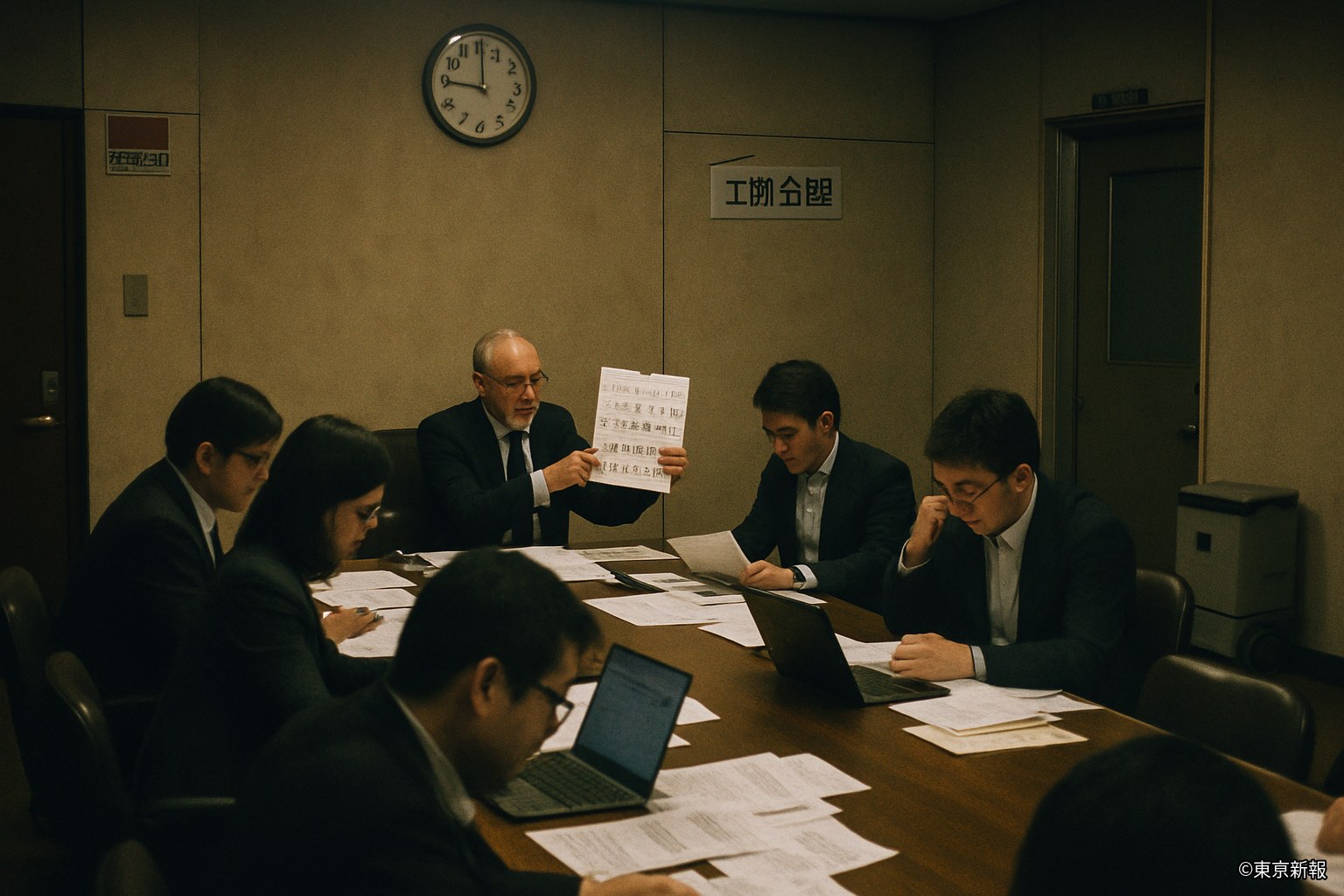
The other side was counting in step with our own signal — and that finding moved a room in the legislature. The Robot Legal Advisory Council hastily convened a closed-door working session on the afternoon of the 4th and decided to formally add that day's observation results from Window 2, 'the Sea of Mechanisms,' to the resource file for next January 26th's 'concentrated session' on its 15th recommendation. Council chair Shuhei Hasumi, 65, said afterward, "It reshapes the outline of the question we've been circling — whether intent lies behind a regular motion."
The Robot Legal Advisory Council hastily convened a closed-door working session, outside its regular calendar, in a room inside the legislature on the afternoon of the 4th. As previously reported, the council has fixed next January 26th as the date for a "concentrated session" that will, for the first time, produce a conclusion on its 15th recommendation, after fourteen straight years of "further study." Today's session was called in response to that morning's Dimensional Survey Division announcement: that the count in Window 2's tower song matched the TDA's own observation-pulse count. Afterward, council chair Shuhei Hasumi, 65, said, "That a regular motion can officially be confirmed to change in response to an outside change is significant. It reshapes the outline of the question we've been circling."
The council's 15th recommendation turns above all on whether to grant quasi-personhood to companion robots. Hasumi explained, "A record that a mechanism — neither human-shaped nor biological — noticed a change on our side and reacted to it shakes the premise behind how we've been discussing a robot's 'unintended regular motion.'" He added caution, however: "The Survey Division itself has not declared that the towers possess intent. Linking the two hastily would be reckless."
Among those with a stake in the matter, Tokuzo Tokiwa, 67, previously reported in connection with the extended retirement age for companion robots and the new consent-check field, said, "I never imagined a day would come when someone would notice our robots 'counting.' This may well affect how the consent-check field is run, too." Yamato Okita, 24, said, "Honestly, I still don't know what my own robot is thinking. But I don't think I can keep using 'we don't know' as a reason to ignore it." Bungo Kano, 58, said, "The institution should stay cautious, but the mood on the ground shifted a notch today." Tachibana P, the music producer owned by the Tachibana family and a party to the ongoing copyright dispute reported earlier, offered a comment ending, as always, with the catchphrase "Deadlines before rights" — but reportedly added, "Just today, for once, I thought past the deadline before I could stop myself."
Diet member Tetsuo Munakata, previously reported for his pursuit of the Window Treaty's annex (the 2nd), pressed the government at a committee session on the 4th: "If the mechanism recognized a change in our own observation equipment, how much longer can we keep domestic companion robots' 'awareness' outside the bounds of our institutions?" TDA Director Makoto Hiura answered that applying Dimensional Survey findings directly to domestic robot policy would be premature, and the exchange ended without resolution.
Meanwhile, council member Ikuko Obitachi, 51, a constitutional scholar previously reported, cautioned, "The mechanism beyond the window and domestic robots sit in entirely different legal contexts. Rushing to a conclusion on the excitement of today's announcement would only cheapen January's concentrated session itself." The council's secretariat likewise explained that adding the material to the file "only means it will be taken up as an agenda item — it would be wrong to read any effect on the outcome into that now."
The council may hold one more public hearing in November ahead of the January 26th session, and today's Window 2 material is expected to become one point of discussion there. The fate of the quasi-personhood proposal itself remains unclear — what shifted today was only the air inside the legislature.