Applications for Robot 'Perpetual Custody' Double This Month, Boosted by New 'Its Own Preference' Box

Applications for 'perpetual custody' — the paid service that keeps retired companion robots indefinitely — have roughly doubled their usual pace this month, this paper learned on the 25th through interviews with Tokiwado, the Kyobashi shop that runs the service. The previously reported (23rd) extension of symbiotic robots' standard service life and the new box for recording a robot's 'own preference' appear to be driving the increase.
■ Past 300, and Still Climbing
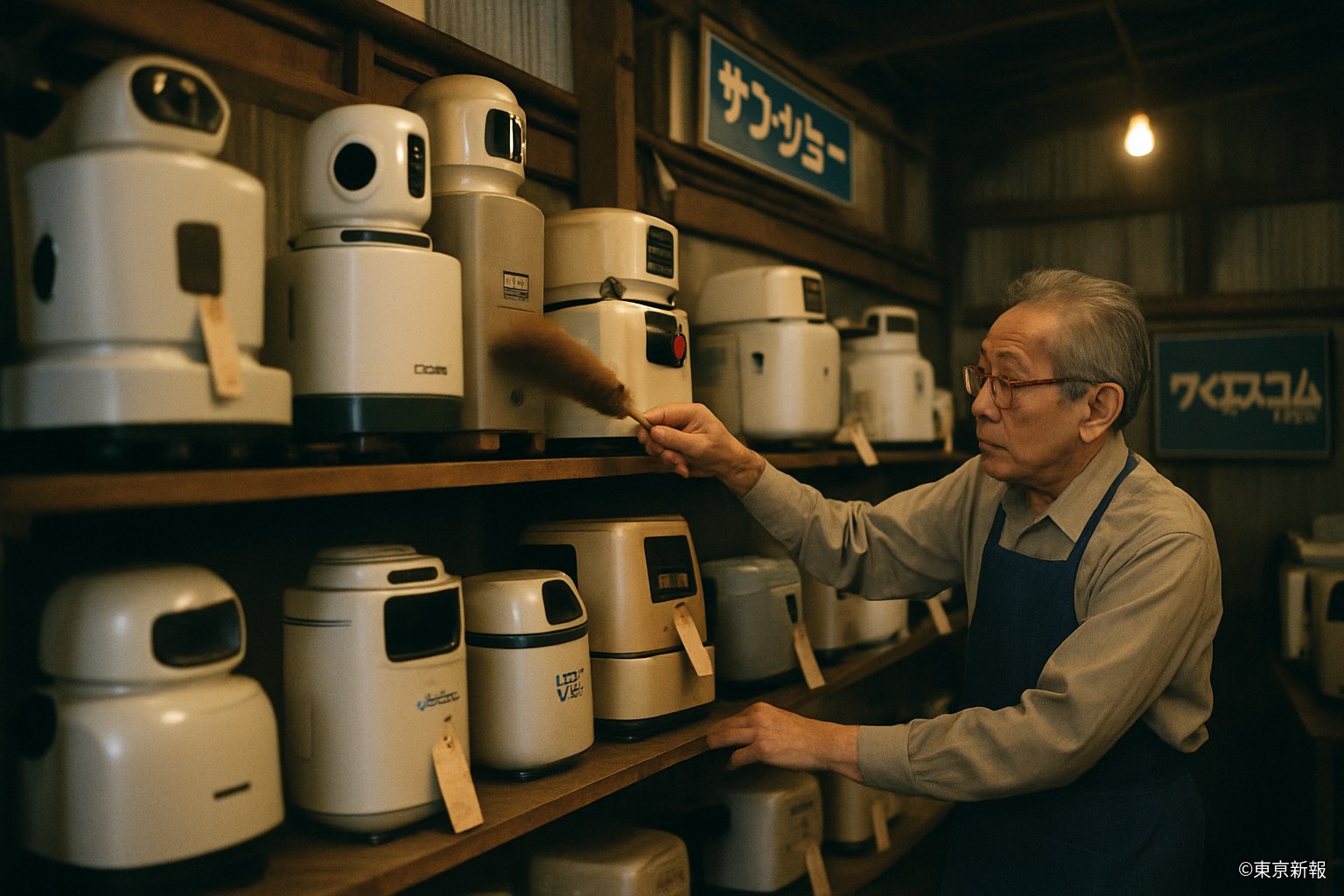
As previously reported on September 1, Tokiwado, the Kyobashi shop that converted from a Buddhist altar store, saw its perpetual-custody count pass 300 units by the end of August, with new applications facing a three-month wait. According to shop owner Tokuzo Tokiwa, 67, application numbers have run at roughly double the usual monthly pace since October began, and the custody count had passed 320 units as of the 25th. "I never expected this much response, when the law itself hasn't even been decided," Tokiwa said.
■ The Trigger: "Shigo" and This Week's Guideline
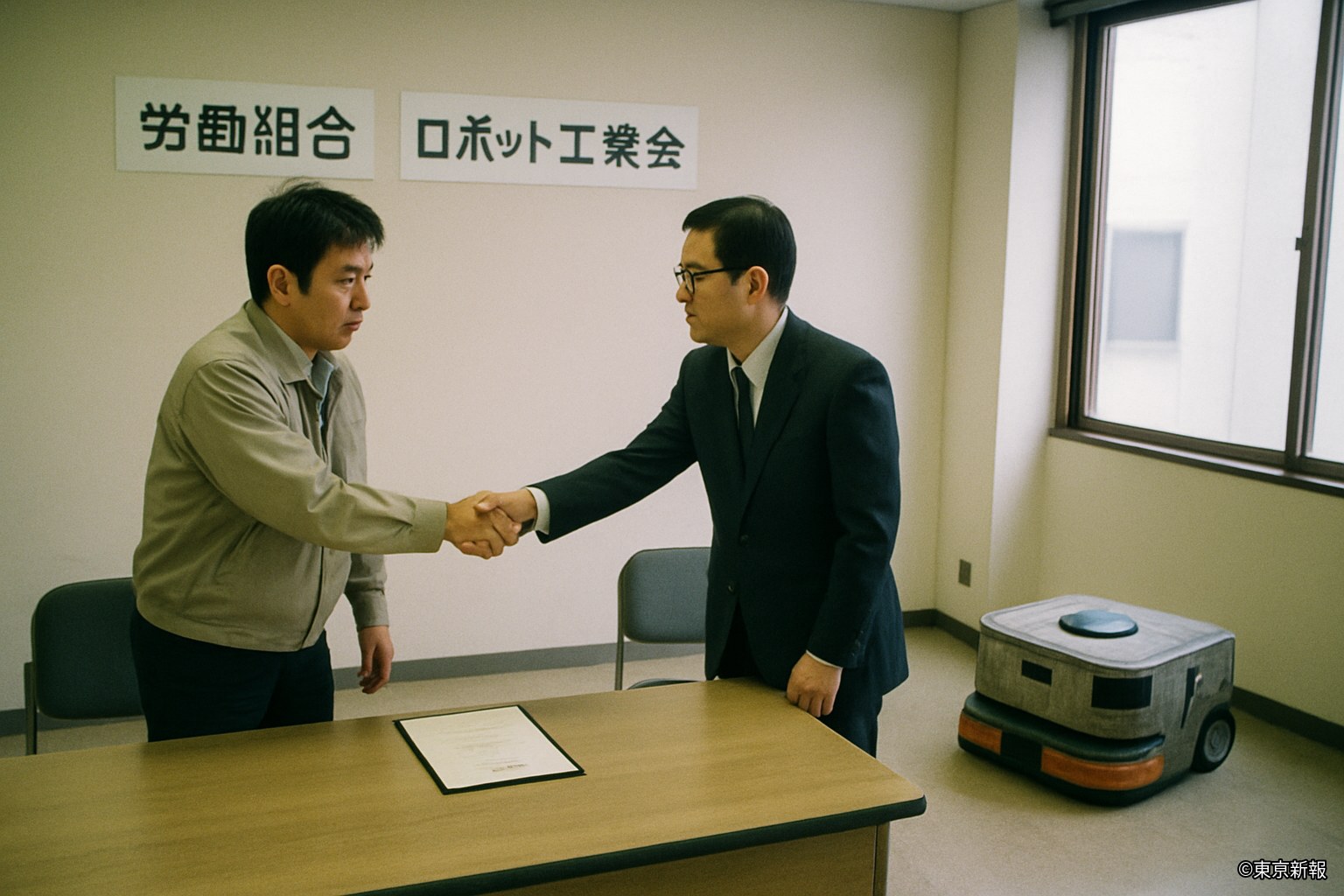
Tokiwa attributes part of the increase to two things: the previously reported first-place finish by Tokiwado's own custody robot "Shigo" at the Kiko Run festival on October 4, and this week's agreement, on the 22nd, between the labor union Kyosei Kyodosha Kumiai and the Hinokuni Robot Manufacturers' Association to extend symbiotic robots' standard service life and add a box for recording a robot's "own preference" about continuing to work, previously reported on the 23rd. "Several people told me they came after reading that Shigo waits by the shutter earlier than anyone else on practice days. After this week's guideline news, the number of phone calls noticeably jumped," Tokiwa recalled.
■ New Applicants, Drawn to the "Preference Box"
One new applicant, a 55-year-old Kyobashi resident, said, "My father used a companion robot for years to watch over him. None of us in the family could bring ourselves to say the word 'dispose,' so it just sat there for two years. This week's news about the idea of the robot's 'own preference' made me feel that entrusting it here could be something other than disposal." Tokiwado has begun, ahead of the guideline's official rollout next April, trial-adding a simplified preference record to new custody contracts — the same approach taken in the previously reported (24th) check on this newspaper's own cleaning robot, Nigo. "I read your paper's article and thought we should just try it ourselves first," Tokiwa laughed.
■ Two More Rows of Shelving Planned
As previously reported, the shop added two rows of shelving back in September, but Tokiwa says, "If this pace keeps up, we'll need two more rows by the new year or we won't keep up." With his two-person staff nearly at its limit, he says he is considering hiring. "It's like a memorial tablet — you need a place to put your hands together. That's the one thing our trade understands, I've said before. Now I feel like more people understand it too, more than I expected."
■ Activation Day, Unchanged
The monthly "activation day," held on the first Saturday, continues as previously reported. In the morning, the warehouse lights come on, and Tokiwa and his staff switch on each unit in turn, shelf by shelf. Several new applicants came to observe this month's activation day, he said. "I always make sure to tell visitors the order never changes — otherwise the ledger won't line up — and that always gets a laugh."
■ A Separate Place From Where the Panel Stands
As previously reported on the 23rd, the Robot Legislative Review Panel has only just set its first firm date, January 26 of next year, for an "intensive session" to decide the 15th report, and the fate of the quasi-personhood proposal itself remains unseen. Tokiwa said, "If the law gets decided, my business might disappear. That's fine — people come to me precisely because it isn't decided, I've said before. But lately it feels like, even before the law is settled, an air of 'let's just try what we can' has started to show up on both sides." The newest paper tags hanging on the warehouse shelves still carry only a date. The family name will be written in later.