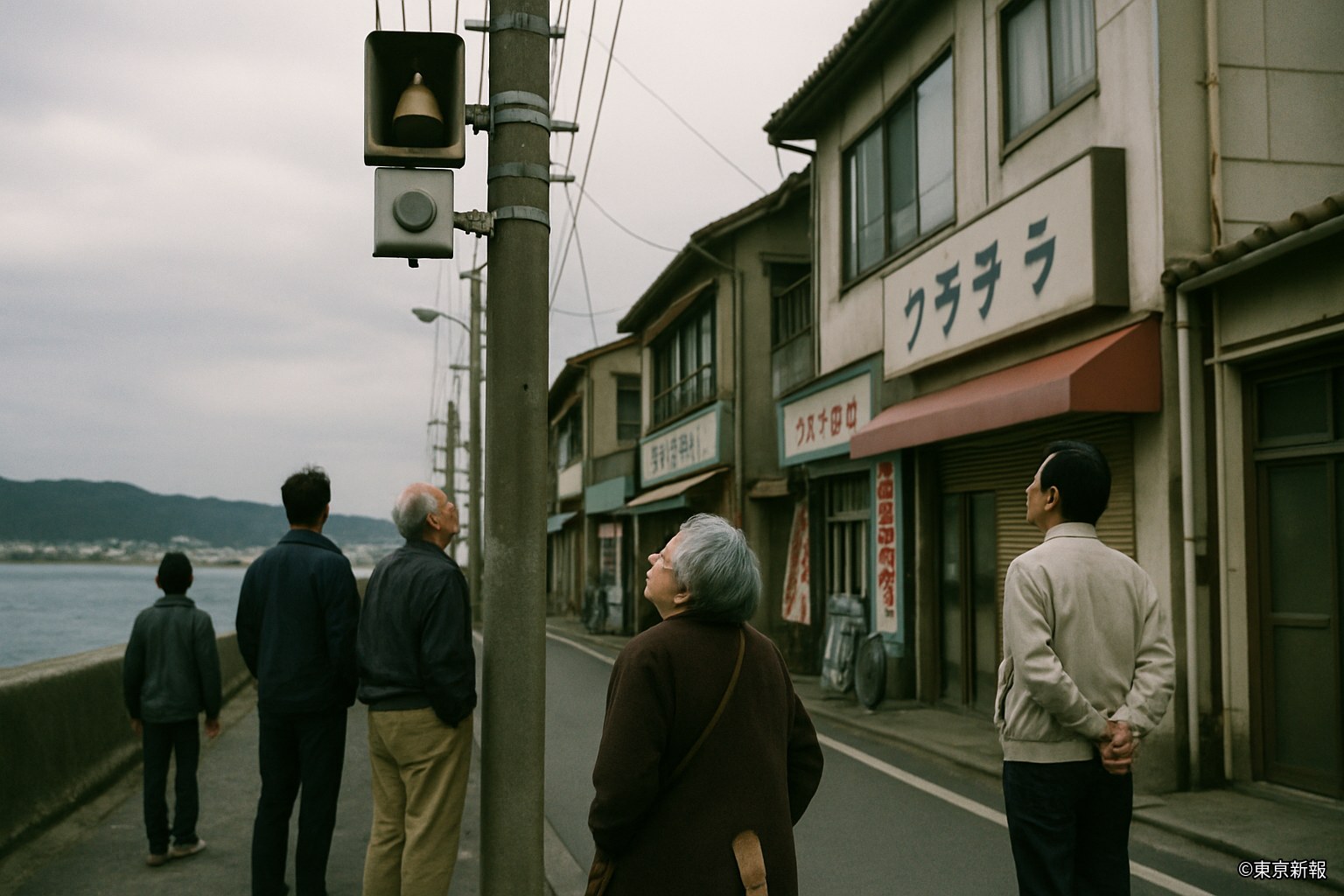
Bell Code Enters Full Service, Folded Into the Disaster Radio System
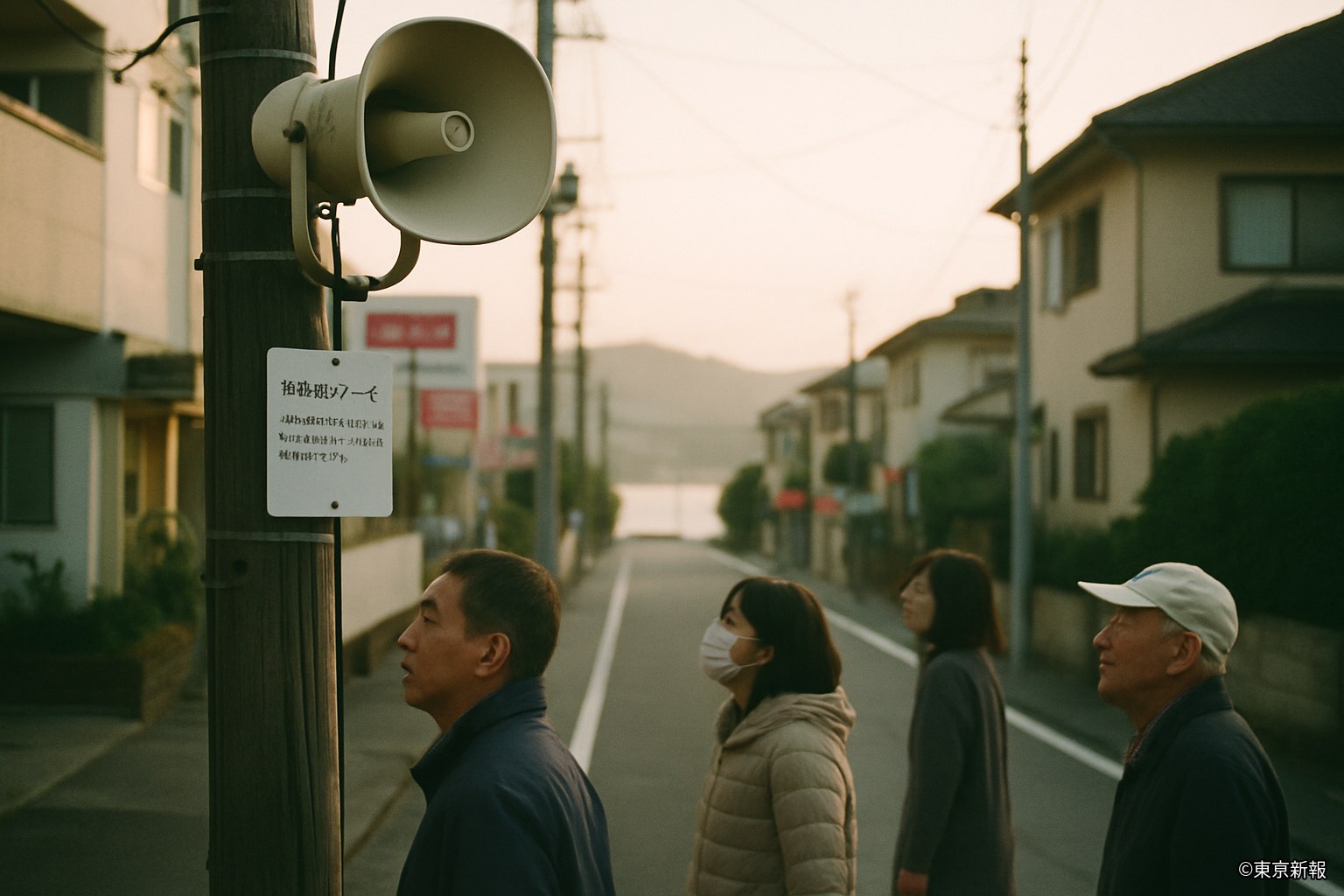
The 'bell code,' a Yuragi-alert signal dating back to the era of the old collection facilities, entered full service on the 1st, formally built into the disaster radio system for three bay-area districts. The rollout follows a test broadcast on Sept. 3, with the signal meaning one strike for caution, two for alert, and three for evacuation.
The TDA and the city on the 1st formally built the "bell code" into the disaster radio systems of the three bay-area districts of Shiomi, Fukagawa and Sunamachi, bringing it into full service following the test broadcast previously reported on Sept. 3. The sound source remains the recording of the old collection-facility bell held by the Drift Object Museum, and the signal's meaning is unchanged: one strike for caution, two for alert, three for evacuation.
To address the previously reported issue of the sound not carrying in high-rise interior corridors, the city has been installing additional indoor speakers in affected apartment buildings; as of the 1st, seventy percent of the targeted buildings were complete, with the remaining thirty percent expected to finish during October. The city has also completed, as previously reported, distribution of explanatory cards to every household and the addition of the signal to disaster-preparedness education in elementary and junior high schools.
"Unlike the test, starting today this will ring as an actual alert," a city community-partnership official said. "For generations who don't know the sound, we want to start by simply teaching them: if it rings, pay attention." For the generation that remembers the bell, it marks a return to practical use after half a century.