Observation Data Disclosure Bill: Ruling Party Formally Submits Revised Draft to Diet Affairs Chairs
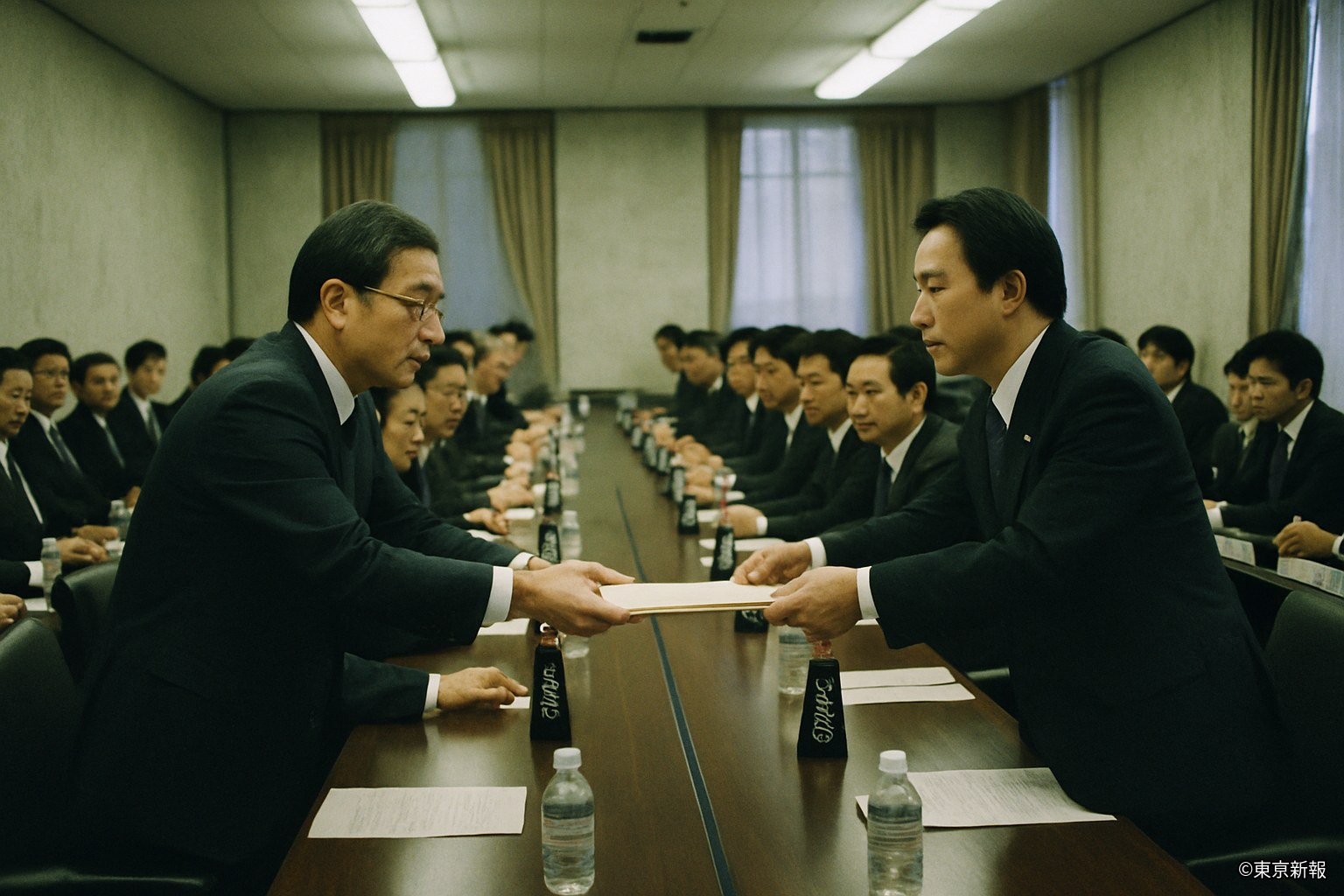
In the ruling party's ongoing debate over a bill to establish a principle of open observation data, Diet member Sota Miyake, 44, who leads the push, formally submitted a revised draft to a meeting of the ruling and opposition Diet affairs committee chairs on the 13th. The draft's two pillars: an explicit non-disclosure exception limited to data directly tied to military and security matters, and a duty to report any non-disclosure after the fact to a third-party body. Diet member Tetsuo Munakata, 58, of the sovereignty-leaning camp, again criticized the move as hasty.
The ruling party's internal debate over whether to codify a principle of open observation data had, as previously reported on Oct. 8, mostly settled on a draft, and on the 11th it was reported that coordination would continue "within the coming week." On the morning of the 13th, Diet member Sota Miyake formally submitted the revised draft in writing, earlier than expected, at a meeting of the ruling and opposition Diet affairs committee chairs held inside the Diet building. "If I'm keeping my original promise not to use being caught in the middle as an excuse, I decided we should put forward what's already settled," Miyake said afterward.
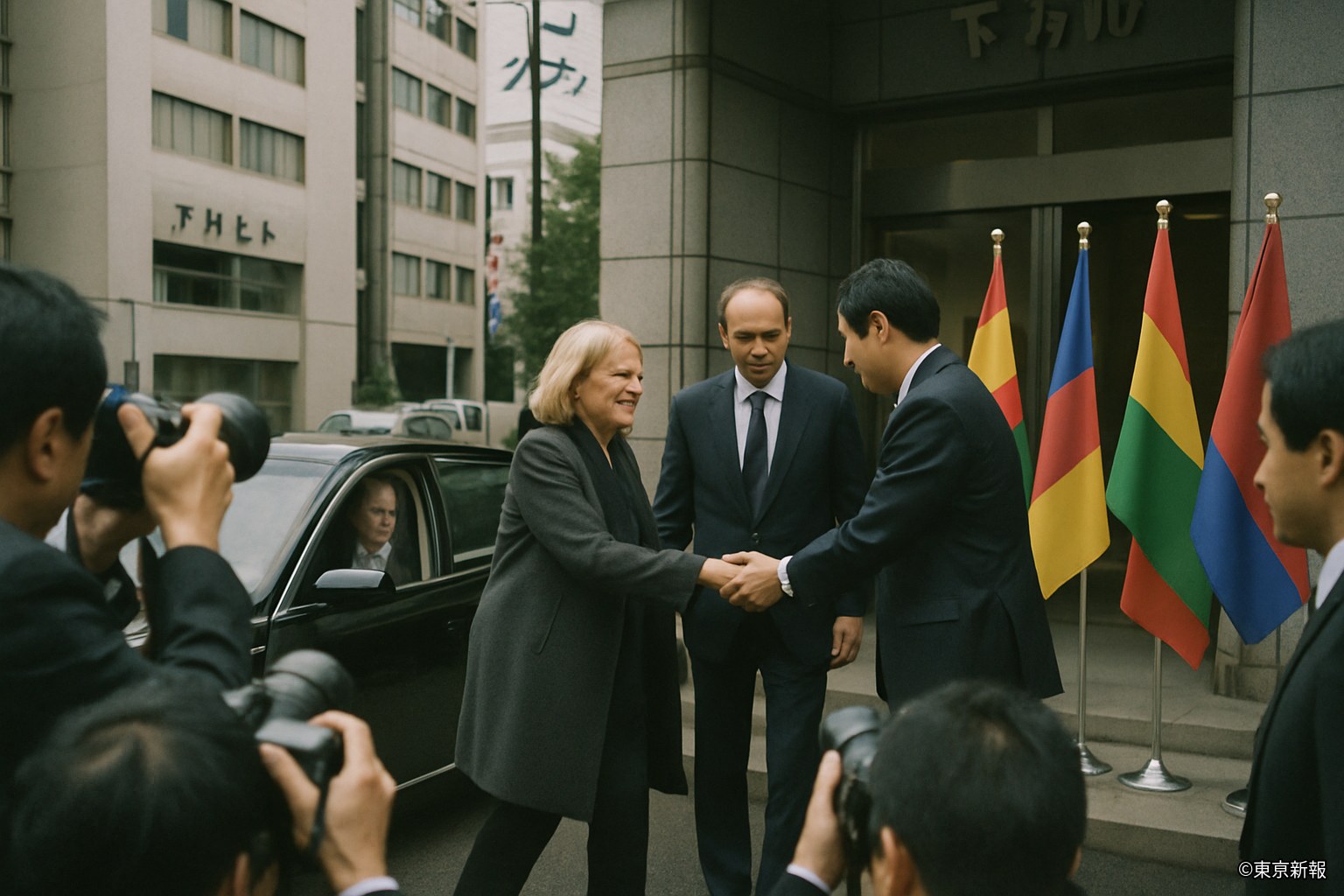
The draft's two pillars — an explicit non-disclosure exception limited to data directly tied to military and security matters, and a duty to report any non-disclosure after the fact to a third-party body — are unchanged from what was previously reported. Behind the move lies the visit of Nordic Union chair Signe Lundqvist, a leading voice of the open-data camp, on the 6th and 7th, which is reported to have pushed the ruling party's internal work forward. Hinokuni's formal presentation, through Councillor Yuichi Amamiya, of a draft clause explicitly banning military diversion in the Window Treaty talks is also said to bolster Miyake's argument that "it should be possible to codify this domestically too."
Munakata told reporters afterward, "Codifying a security exception only hands the other side a weakness to exploit in negotiations. This is hasty" — a position that overlaps with his earlier wariness toward the Foreign Ministry's explanation in the "secret annex" suspicion reported on the 11th. Another attendee from the ruling party's open-data study group took a more positive view: "The foundation is finally in place. Now it's about refining the language." A Genshu embassy source declined official comment on the submission, but trade sources say parts of the domestic industry sensitive to how observation data is handled are watching the content closely.
At the chairs' meeting, the parties agreed that each would take the revised draft back for internal review. A decision on whether to submit it to the current Diet session is expected in late October. "Whether we can submit it matters less than how deliberation goes once we have," Miyake said, offering a cautious outlook.