Hinokuni Tables Draft Explicit Ban as Nordia Union Chair Arrives; Allied Priority Supply Pushed to Separate Talks
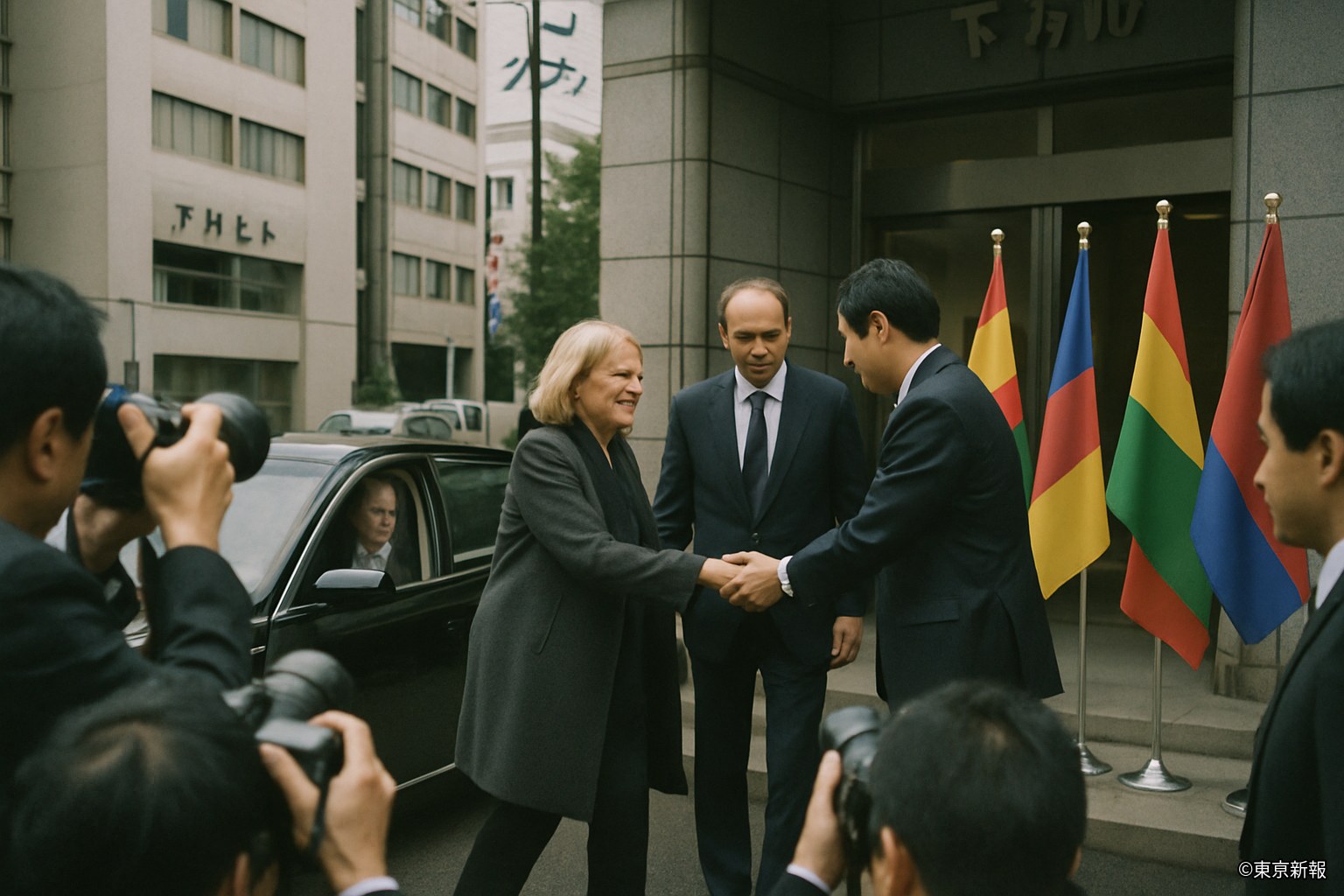
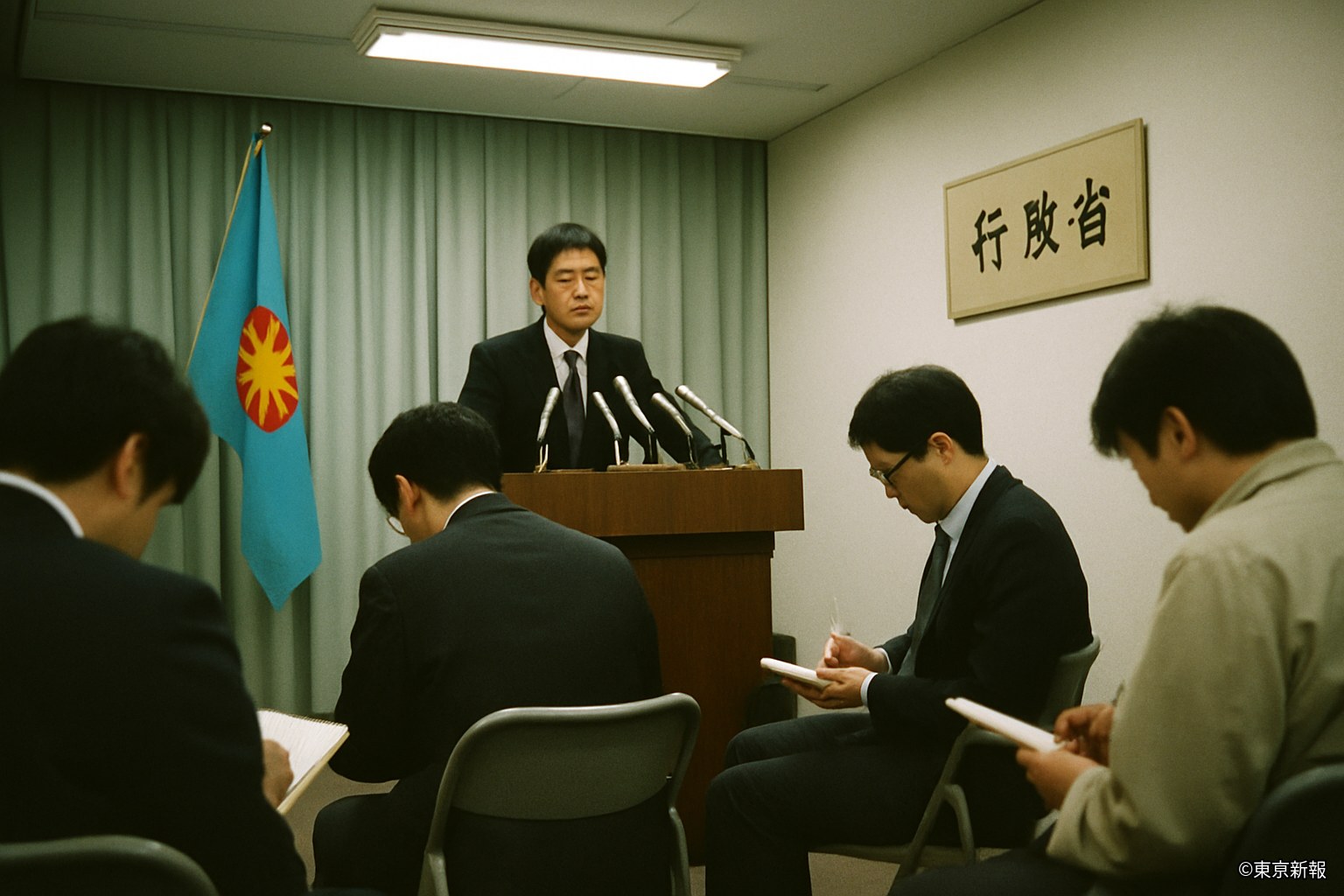
Nordia Union chair Signe Lundqvist, 61, arrived in Tokei on the morning of the 6th. As previously reported, the Foreign Ministry had said the day before that it was 'considering' an explicit ban on military diversion in the Window Treaty; at working-level talks that afternoon, Hinokuni moved beyond consideration and tabled, in writing, its first concrete draft of the ban's actual text. The treatment of the 'allied priority supply' clause sought by Ameria was left out of the draft, with officials saying it would be negotiated separately.
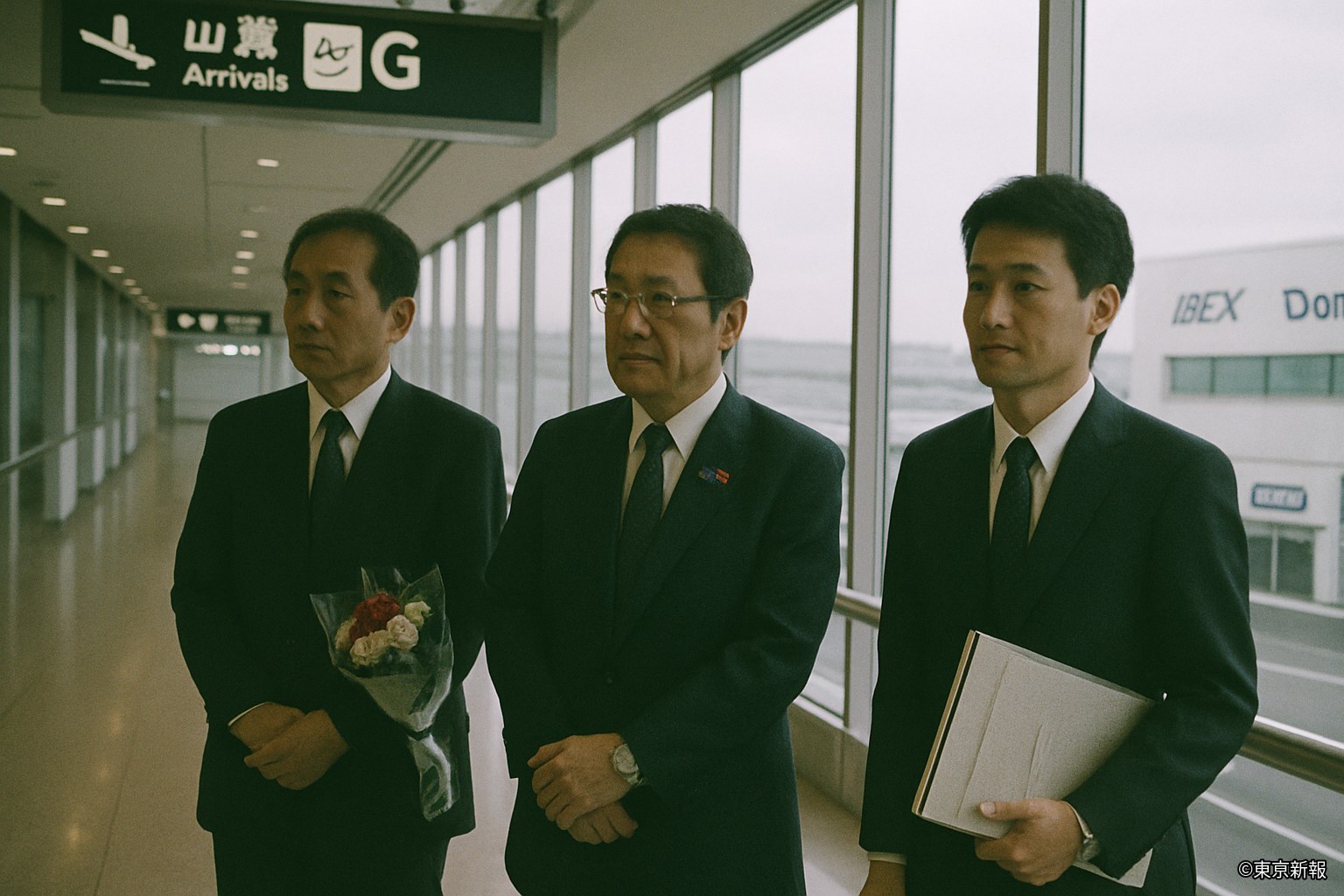
Nordia Union chair Signe Lundqvist, 61, arrived in Tokei via the Haneda Air Route on the morning of the 6th. As previously reported, her itinerary runs through the afternoon of the 7th: working-level talks with the Foreign Ministry and a private embassy dinner on the 6th, followed by a courtesy call on Mayor Motoko Ukai and informal talks with the Dimensional Survey Division on the 7th. In brief remarks on arrival, she said, "I understand there's a wish to listen to each other's words before getting to the numbers. I welcome that approach."
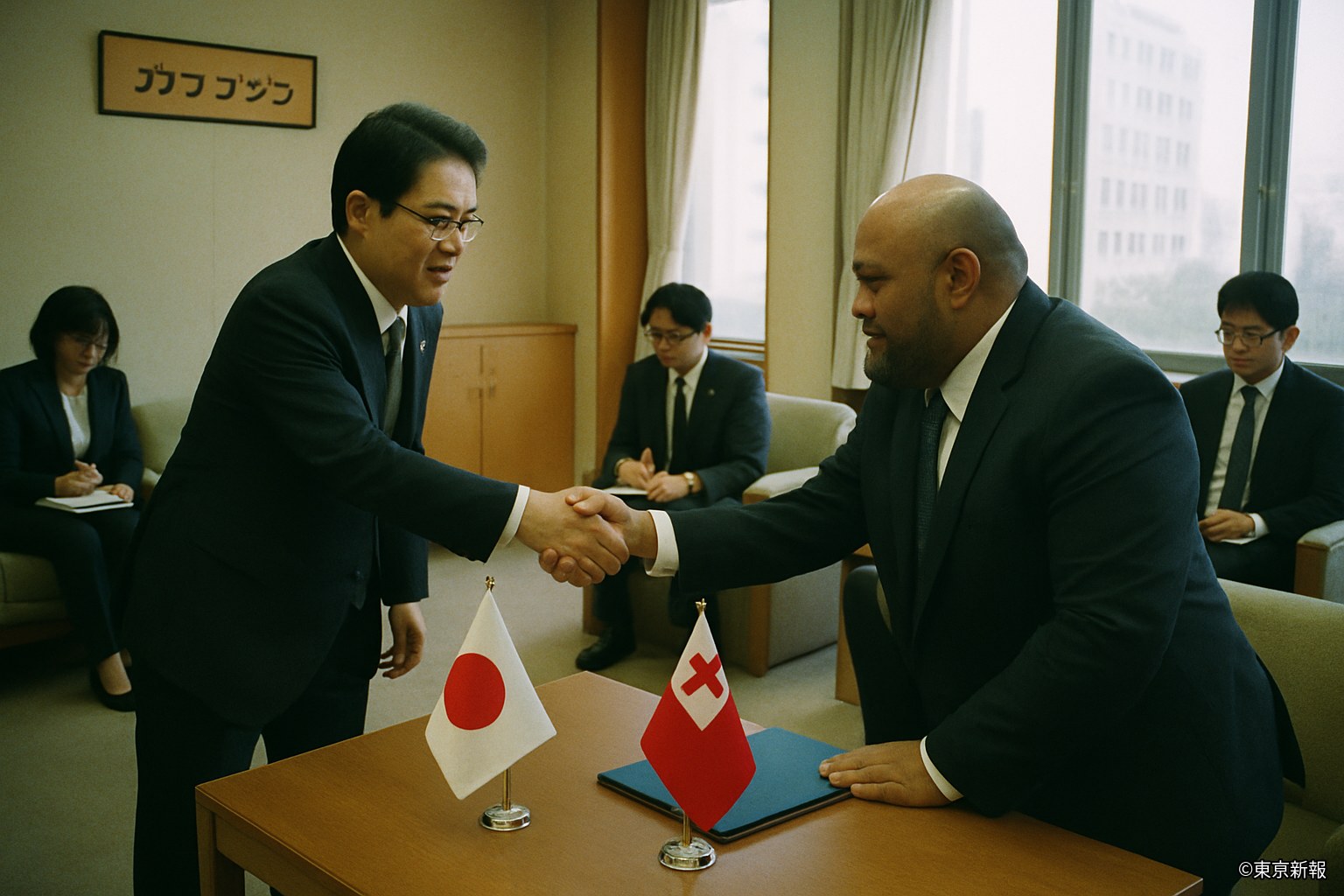
At the afternoon working-level talks, Yuichi Amamiya, 55, who heads the Hinokuni delegation, handed over in writing a draft of actual treaty language for the explicit ban on military diversion that a ministry spokesperson had described only as "under consideration" the day before. According to a ministry source, the draft builds on the best-efforts clause of the 1988 Permeation Treaty, adding new explicit language prohibiting "any diversion of window-rig and stable-window-related technology to military purposes," while leaving verification procedures to future negotiation.
The draft does not include language on the "allied priority supply" clause Ameria has sought. "A ban on diversion, full stop, can be common ground across camps," a ministry source said. "Priority of supply involves separate interests entirely — cram it into the same clause and the whole negotiation stalls." Officials said allied priority supply would instead be discussed under a separate framework outside the treaty's main text. A source on the Nordia Union delegation said the chair's side was broadly comfortable with the split: "If the ban on diversion moves forward in writing, the order of supply can be sorted out later."
The ruling party's "Opening Observation" caucus, led by Sota Miyake, praised the move: "Moving from consideration to an actual document is worth recognizing. What we've argued for a year — that the diversion ban alone should be settled first — has finally taken the shape of treaty language." But Tetsuo Munakata, 58, a lawmaker aligned with the sovereignty camp, criticized it: "Once you've handed over a draft, there's no easy way back. Splitting off allied priority supply just means the negotiation over it continues on a separate track. Why the rush to put this in writing?" A senior ministry official reiterated that the draft was "a starting point for discussion, not settled treaty language."
Genshu's embassy, representing the core of the sovereignty camp, issued a statement on the 6th: "We don't object to the diversion ban itself, but pushing the clause forward while leaving verification procedures for later is reckless. We ask that discussion proceed without undermining the principle of observation sovereignty." The ministry responded that it was not postponing verification but simply putting into writing the part where agreement already existed, on the most divisive point, while continuing parallel talks with Genshu.
The embassy dinner on the evening of the 6th was closed to the press; the ministry said only, "We won't disclose the content. We understand this as a step toward building a relationship between people, ahead of the negotiation itself." At the courtesy call with Mayor Ukai on the morning of the 7th, the mayor is expected to raise the impact on Tokei's observation-related industries as a matter of city administration, and the afternoon's informal talks with the Survey Division are expected to touch on the "signs of awareness" previously reported at Window 5, "the Sword Country."
A university lecturer specializing in international relations said, "That the shift from consideration to a draft happened within a single day shows Hinokuni clearly wanted to use the visit as an occasion to move the negotiation forward. By separating out supply priority, it minimizes pushback from the sovereignty camp — Genshu, Rus — while prioritizing agreement with the disclosure camp." As previously outlined, today's draft is expected to mark the first concrete step toward the mid-October 'interim agreement' widely anticipated in the negotiation.