Observation-Data Disclosure Bill: Ruling Party's Draft Revisions Near Completion, 'Society for Open Observation' to Present to Diet Affairs Chiefs Next Week
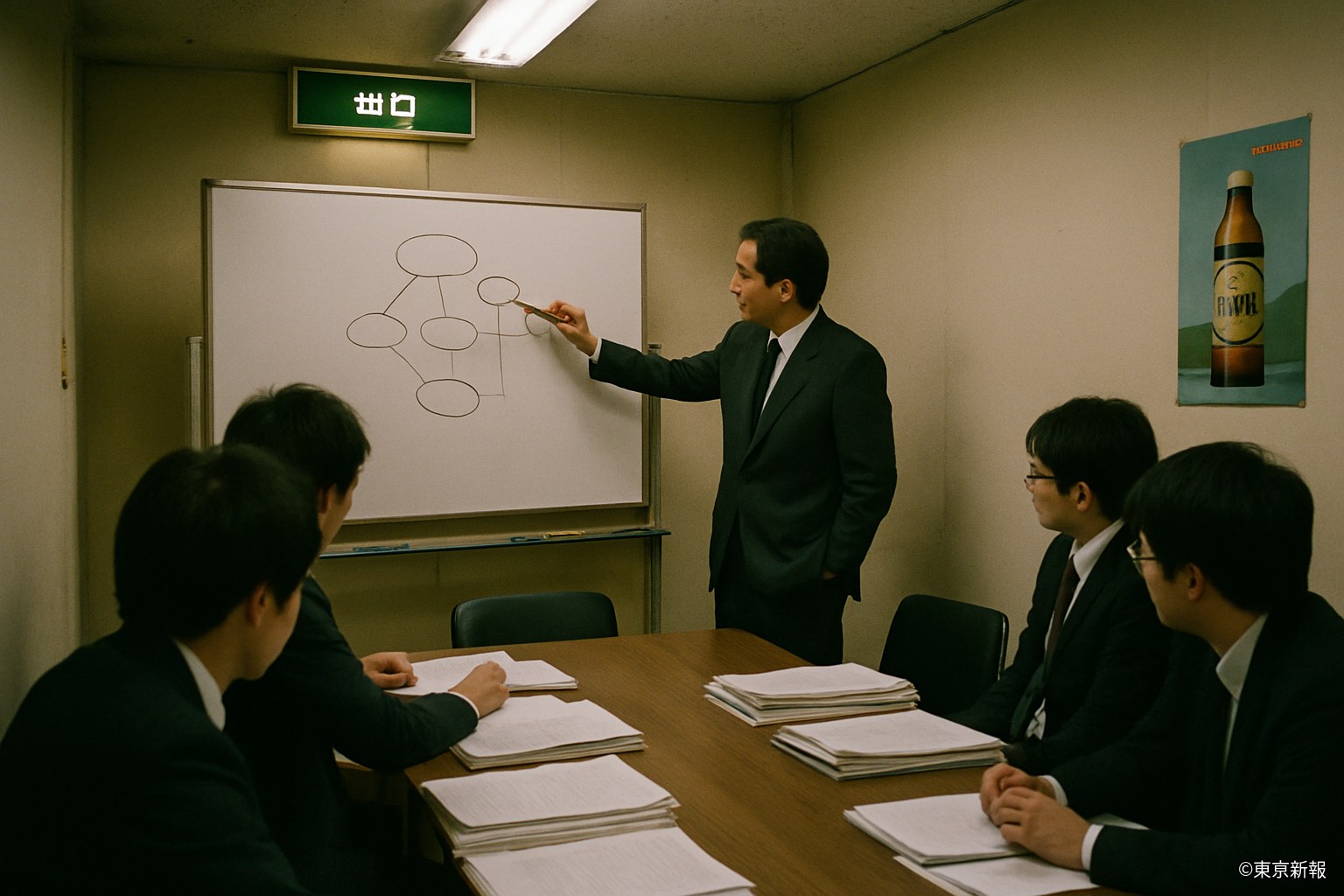
This paper learned on the 8th that the ruling party's 'Society for Open Observation,' a group of lawmakers pushing for the principled disclosure of observation data and convened by Representative Sota Miyake, has moved into the final stage of drafting its revisions to the observation-data disclosure bill. The group is expected to clear internal party procedures and present the draft to the ruling and opposition Diet affairs chiefs as early as next week. The previously reported visit by Nordia Union chair Signe Lundqvist on the 6th and 7th appears to have given the group's work a push.
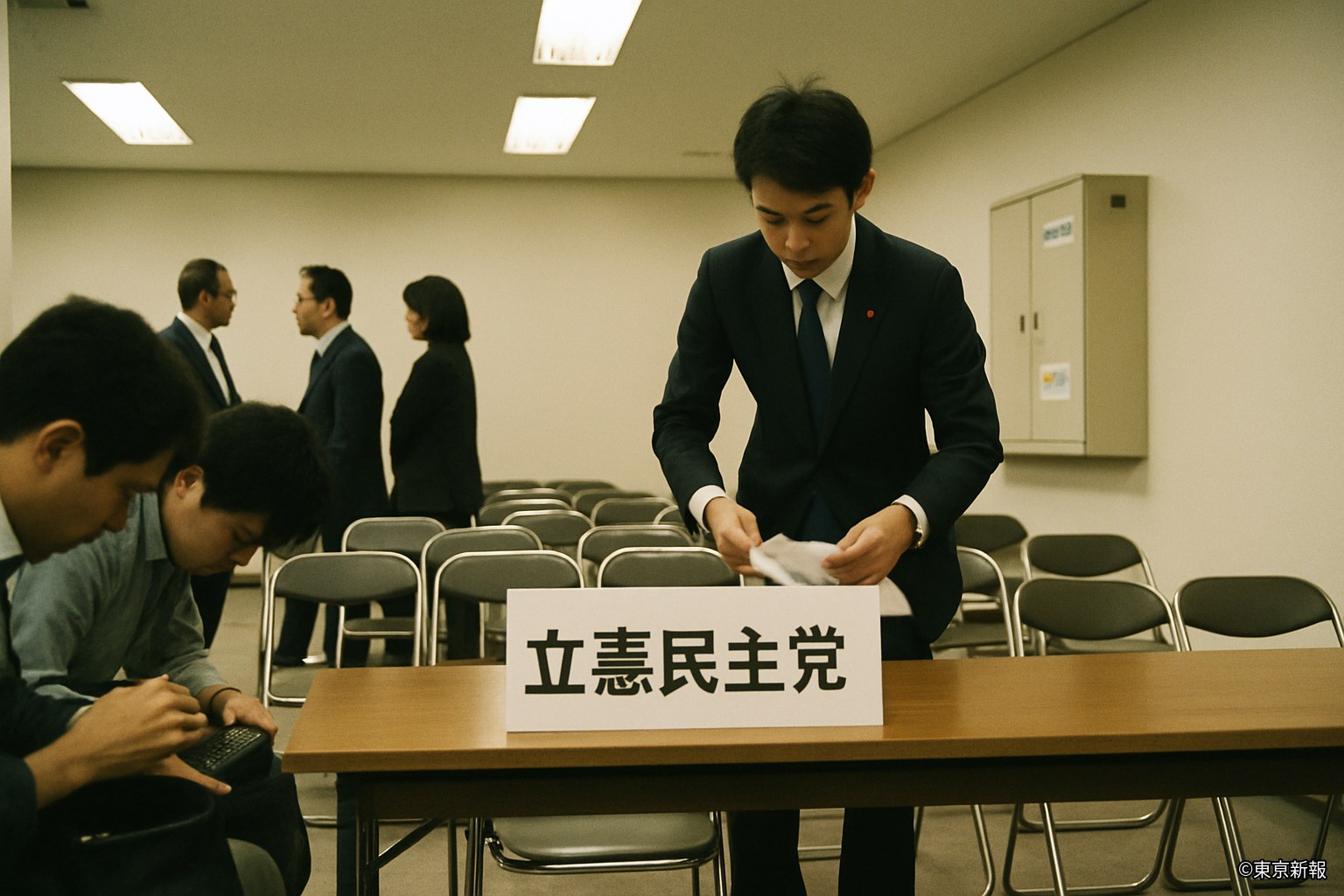
As previously reported, the ruling party's study group of younger lawmakers formally launched on September 23 under the name "the Society for Open Observation" (convened by Representative Sota Miyake, 44, with 34 members), and has since pushed for the observation-data disclosure bill to come up for debate in the first half of the current extraordinary Diet session, which convened on September 12. Sources close to the group told this paper that, as of the 8th, the draft revisions to the bill are "largely settled," and that after clearing internal party approval, the group expects to present them to the ruling and opposition Diet affairs chiefs as early as next week. The previously reported goal of finishing the draft "in early October" now looks set to be met almost exactly on schedule.
According to sources, the draft's core compromise sits between the full disclosure sought by Nordia and other members of the disclosure camp and the calls for a security exception, built around two main points: first, an explicit exception allowing nondisclosure limited to observation data directly tied to military or security matters; and second, a requirement to report such nondisclosure after the fact to a third-party body. Miyake has continued to repeat his trademark line, "I want a debate that doesn't use being caught in the middle as an excuse," and a source close to the group said, "There's no internal disagreement that this should be neither full disclosure nor full nondisclosure."
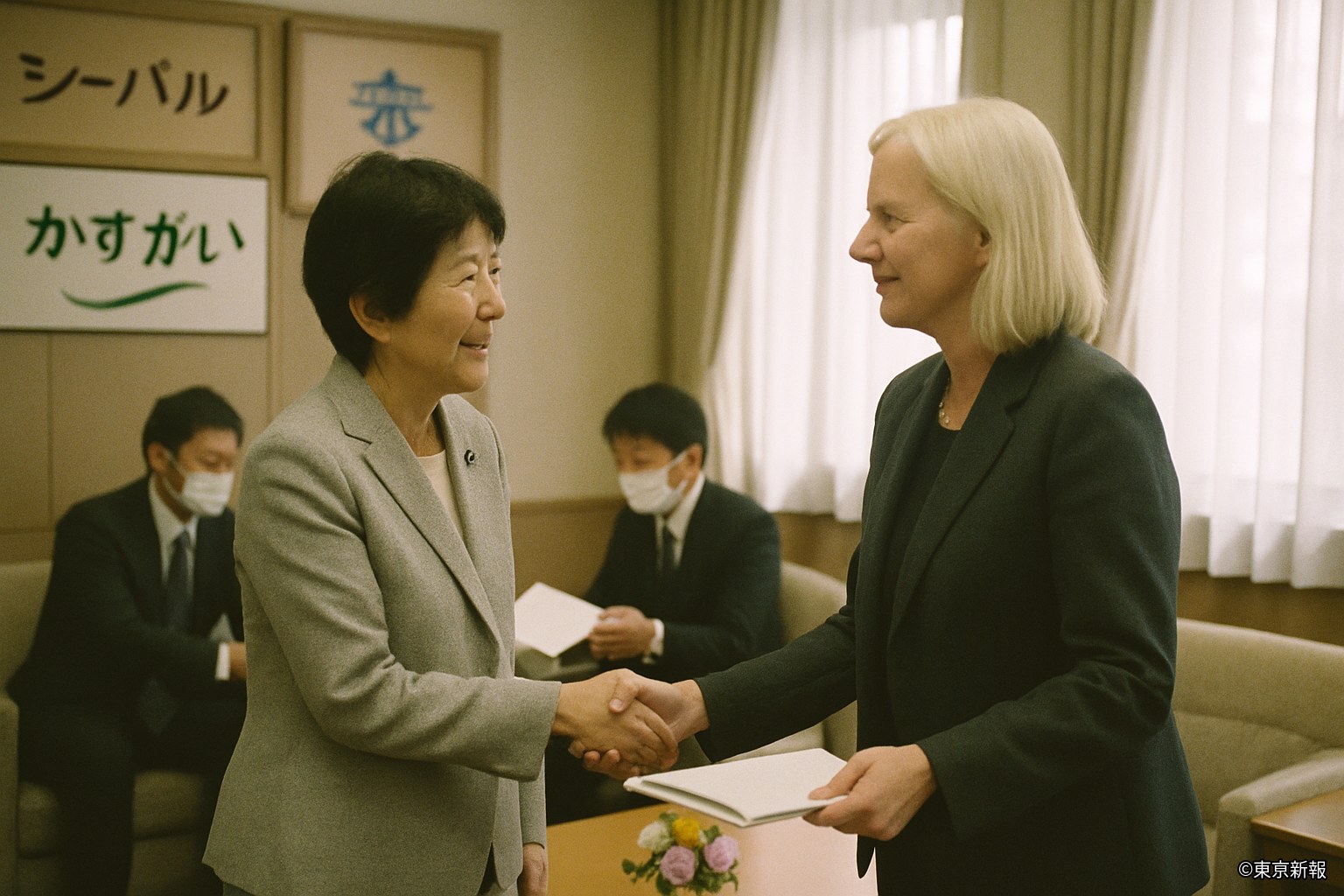
As previously reported, Nordia Union chair Signe Lundqvist, 61, visited from the morning of the 6th through the evening of the 7th, paying a courtesy call on Mayor Motoko Ukai and holding informal talks with the Dimensional Survey Division on the 7th. Although this domestic legislative work is on a separate track from the Window Treaty negotiations themselves, sources within the ruling party say there was a sense of "not wanting to look like we were falling behind while the chair of the disclosure camp was in town." One source close to the group said, "There's no question the chair's visit gave a push to finishing the draft. Outside eyes pushing on an inside back — that happens more often than you'd think."
Representative Tetsuo Munakata, 58, who takes the previously reported sovereigntist-leaning position, told this paper on the 8th that he remains critical. "I understand the need for a security exception in principle, but settling on a timeline — 'presented next week' — before the substance is nailed down is premature," he said, reiterating concerns, raised alongside the ongoing debate over explicit military-diversion bans in the Window Treaty negotiations, about domestic law and treaty talks moving forward simultaneously and in haste.
A deputy Diet affairs chief from the opposition offered qualified praise: "It's progress that a concrete draft is finally emerging, three weeks after we formally demanded fast-tracking." But he added a note of caution: "For those of us who've pushed for full disclosure, we need to look carefully at whether the scope of the exception is too broad." With the session expected to run through mid-December, how much of a schedule can be locked in at next week's Diet affairs chiefs' meeting will be the immediate focus, since slipping into the session's second half would leave little time for debate.
A source involved in talks tied to the Dimensional Survey Division said, "Institutionally, the Window Treaty negotiations and the disclosure bill are separate tracks, but public perception doesn't separate them so easily." Miyake expressed hope that "domestic law moving first should also make Hinokuni's position clearer in the treaty talks" — a reference to the previously reported treaty draft banning military diversion explicitly while treating the allied-priority-supply question as a separate matter. A Foreign Ministry source, however, was more cautious: "Depending on the bill's contents, how it looks to our negotiating partners is hard to predict."