Mayor Ukai Calls for 'Consideration of Observation Industries' in Window Treaty; Handling of Window 5's 'Awareness' Data Becomes a Negotiating Point for the First Time
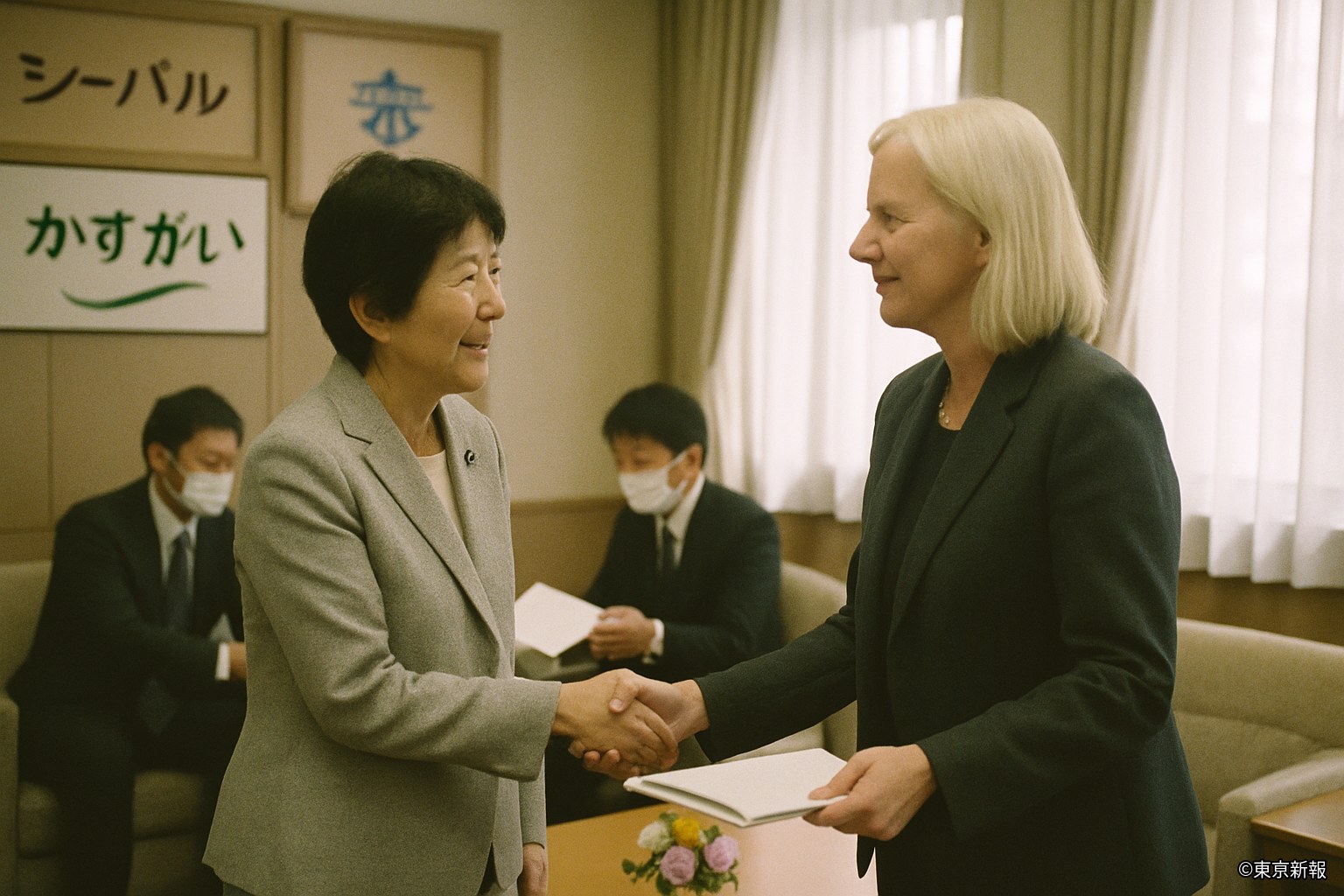
Nordia Union chair Signe Lundqvist, 61, paid a courtesy call on Mayor Motoko Ukai on the morning of the 7th, followed by informal talks with the Dimensional Survey Division in the afternoon. Speaking for a city whose economy concentrates window-rig industries, the mayor submitted a written request for consideration of the industries' interests as the diversion ban is written into explicit language. In the afternoon talks, how to treat the observation data behind Window 5's previously reported 'signs of awareness' became, for the first time, a concrete negotiating point.
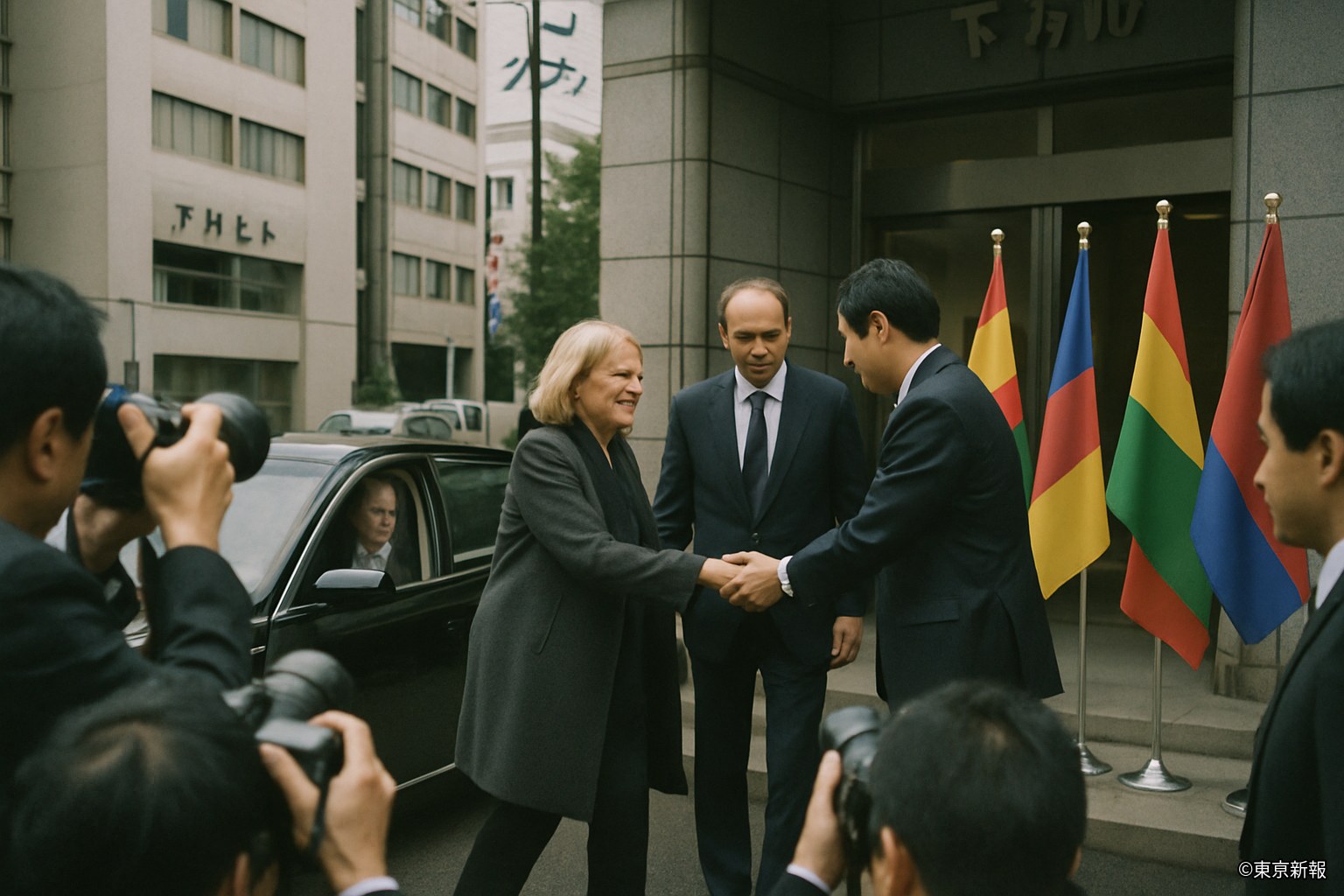
As previously reported, Nordia Union chair Signe Lundqvist arrived in Tokei on the morning of the 6th and is scheduled to depart on the afternoon of the 7th. Just after 10 a.m. on the 7th, she paid a courtesy call on Mayor Motoko Ukai at city hall, as scheduled. The call itself had been arranged as a roughly fifteen-minute ceremonial meeting, but toward its end, the mayor's office handed over a written request asking for consideration of the interests of window-rig-related industries. A city spokesperson said, "It became a more substantive request than a courtesy call usually allows, but as a matter of city administration, this wasn't a point we could stay silent on."
The gist of the request, officials say, was not to object to the draft ban on military diversion itself, but to ask that as verification procedures are worked out in detail, the impact on observation-equipment and window-rig-parts industries — including the previously reported Tokei Precision Optics — be carefully weighed before moving forward. In brief remarks after the meeting, Mayor Ukai said, "I'm not opposed to banning diversion itself. But if the verification mechanism grows too heavy, it could shake the very foundation of where observation-related industries choose to operate. My usual position is to look at the numbers before raising my voice — this time, I raised it before the numbers were in." Lundqvist reportedly responded that "consideration for industry doesn't contradict the principle of banning diversion. I'll take it back for review."
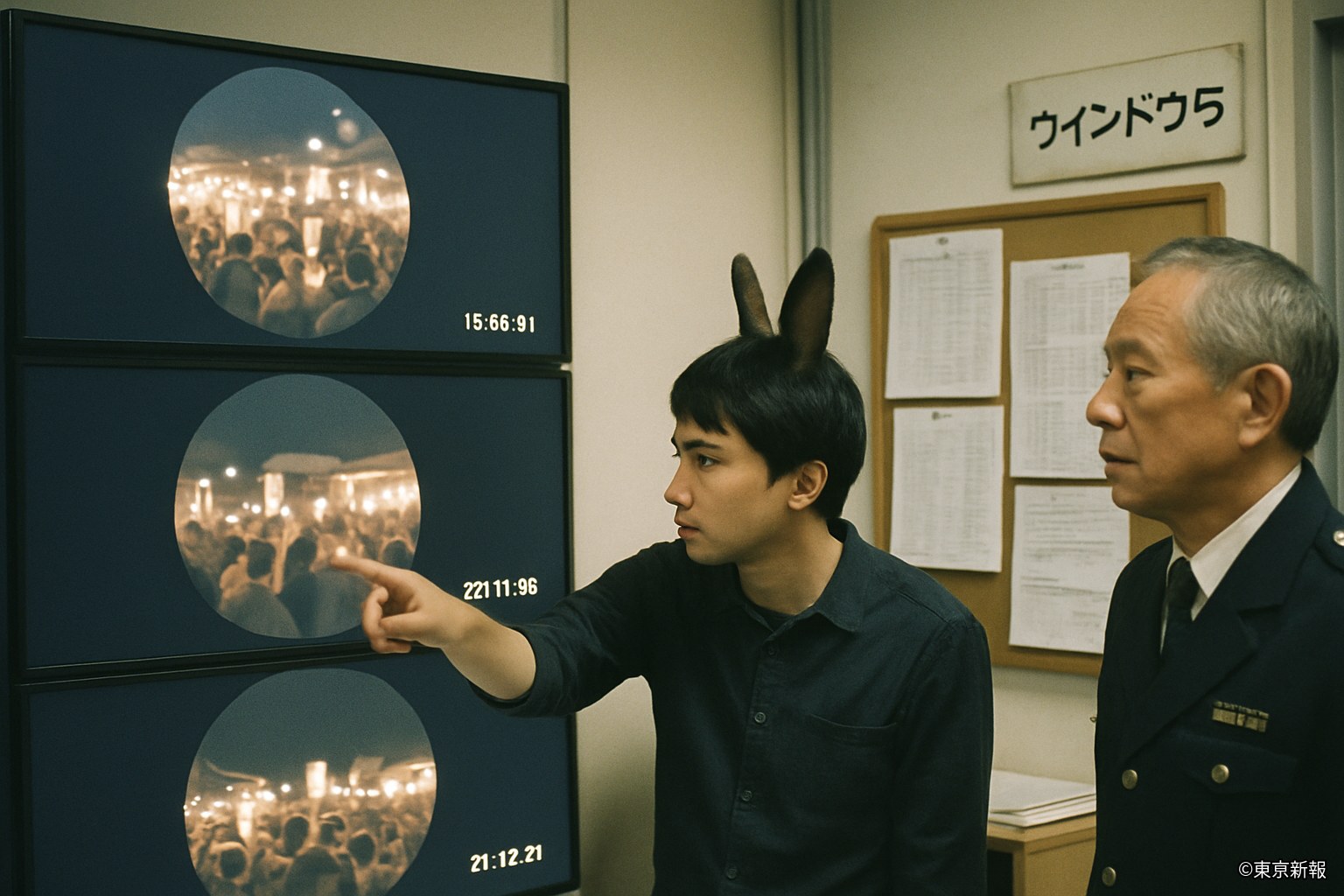
At 2 p.m., informal talks were held at the Dimensional Survey Division, attended by two aides from the chair's side and, from Hinokuni, Director Makoto Hiura and a staff technician. The talks had been set up as a separate, purely technical exchange from the treaty negotiation itself, but according to one attendee, the chair's side asked how the observation data behind Window 5's previously reported "signs of awareness" would be handled going forward. Hiura explained the division's standing position — that disclosure of observation data is a scientific judgment, proceeding on a track separate from the treaty negotiation — but the chair's side pressed further, arguing that "even on a separate track, the scope and pace of disclosure can end up bearing on the treaty's own verification procedures." The exchange reportedly ran well past its scheduled thirty minutes.
"In past Window Treaty talks, disclosure of observation data stayed inside the abstract language of 'best efforts,'" one attendee said. "Today was the first time a concrete body of data — the Window 5 awareness findings — was named and tied directly to verification procedures." Hiura, saying he was not in a position to conclude anything on the spot, offered only that "today's question will be taken back by the division and shared with the Foreign Ministry." After the talks, he told reporters, "Today was the first time it really sank in that the handling of this data could become a concrete negotiating point."
The Foreign Ministry issued a statement on the evening of the 7th saying it would "consider adding this to future negotiating points, as needed, based on the division's report." As previously reported, the 6th's working-level talks had split off the "allied priority supply" clause sought by ally Ameria into separate discussions; today's data question, by contrast, touches the interests of the disclosure, sovereignty, and middle camps alike. A senior ministry official said, "Today made clear that some points can be split off cleanly, and some can't."
Genshu's embassy, at the core of the sovereignty camp, offered no direct comment on the mayor's request, but added through a spokesperson that "if consideration for observation industries ultimately points in the same direction as respect for observation sovereignty, that's a welcome development." A ministry source said, "Genshu has read the mayor's request as aligned with its own camp, but that was never the city's intention" — stressing it was purely a matter of city administration.
An engineer at an observation-equipment maker, watching the courtesy call outside city hall, said, "Banning diversion is obviously the right call, but if the verification mechanism gets heavy enough to stall parts procurement, it eventually hits jobs on the ground. I'm grateful the mayor spoke up." A bay-area resident who has attended rallies held by the previously reported "Opening Observation" caucus struck a more wary note: "I'd hate to see the principle of the diversion ban go soft because industry consideration got prioritized too far. I want to take the mayor's 'both matter' explanation at face value."
Lundqvist is due to depart via the Haneda Air Route on the evening of the 7th. Yuichi Amamiya, 55, who heads the Hinokuni delegation, said, "In a single day, both the big question of the diversion ban and the small question of how to handle this data moved forward. It's the small one that's going to take longer to sort out" — a remark suggesting the negotiation toward a mid-October interim agreement is gathering more points to settle than originally expected.