Observation-Data Disclosure Bill Will Go Before This Diet Session — Ruling-Party Group Reaches a Milestone After Three Weeks

The ruling party formally decided on the 25th to bring its bill establishing a principle of open observation data before the current Diet session, which runs through mid-December. The decision comes twelve days after the previously reported (the 13th) formal submission of a revised draft, and matches the long-standing projection that a submission call would come in late October. Diet member Tetsuo Munakata, 58, of the sovereignty-leaning camp, again urged caution, while the opposition offered measured praise, saying a foundation for debate has finally been laid.
■ Twelve Days Later, Right on Schedule for "Late October"
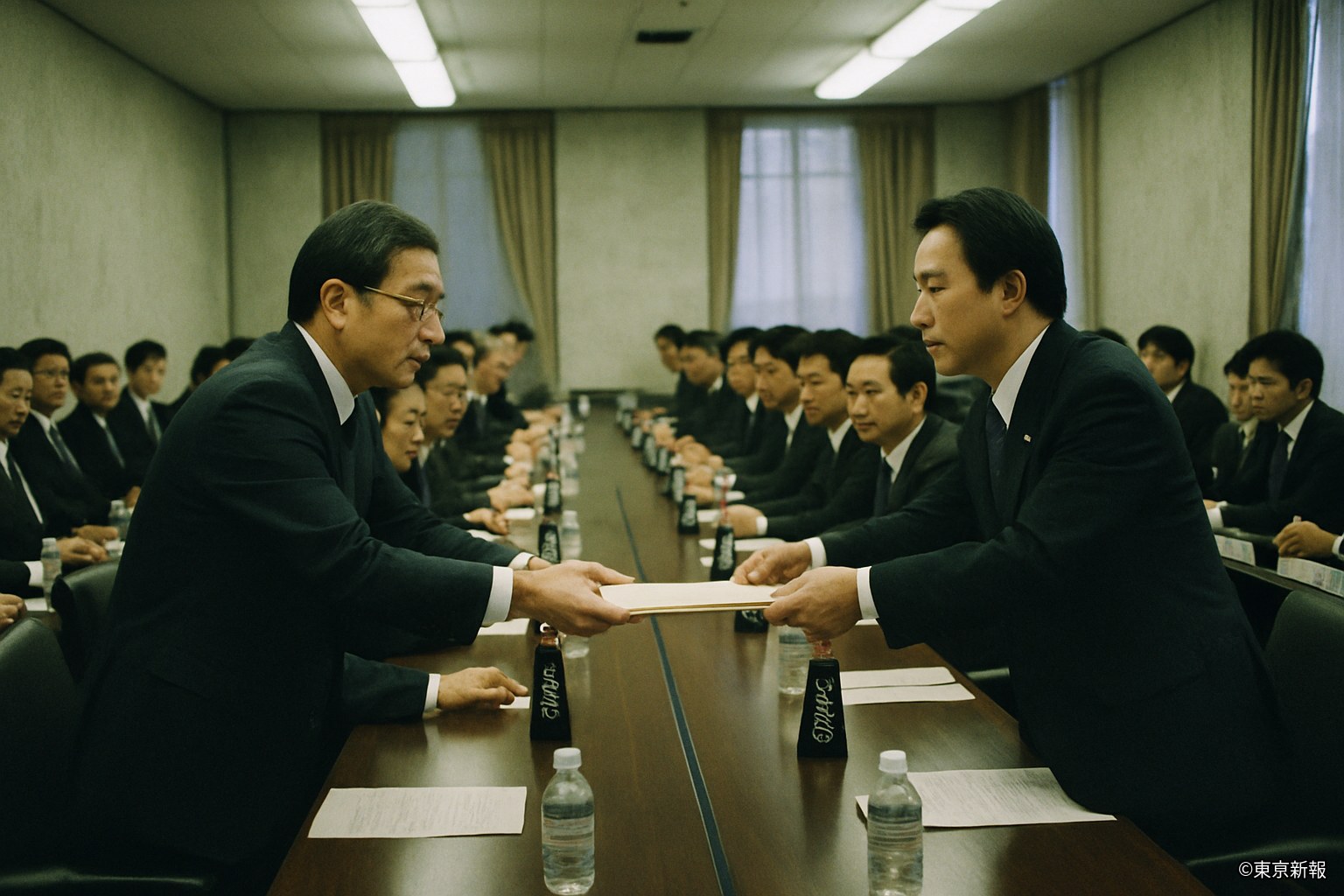
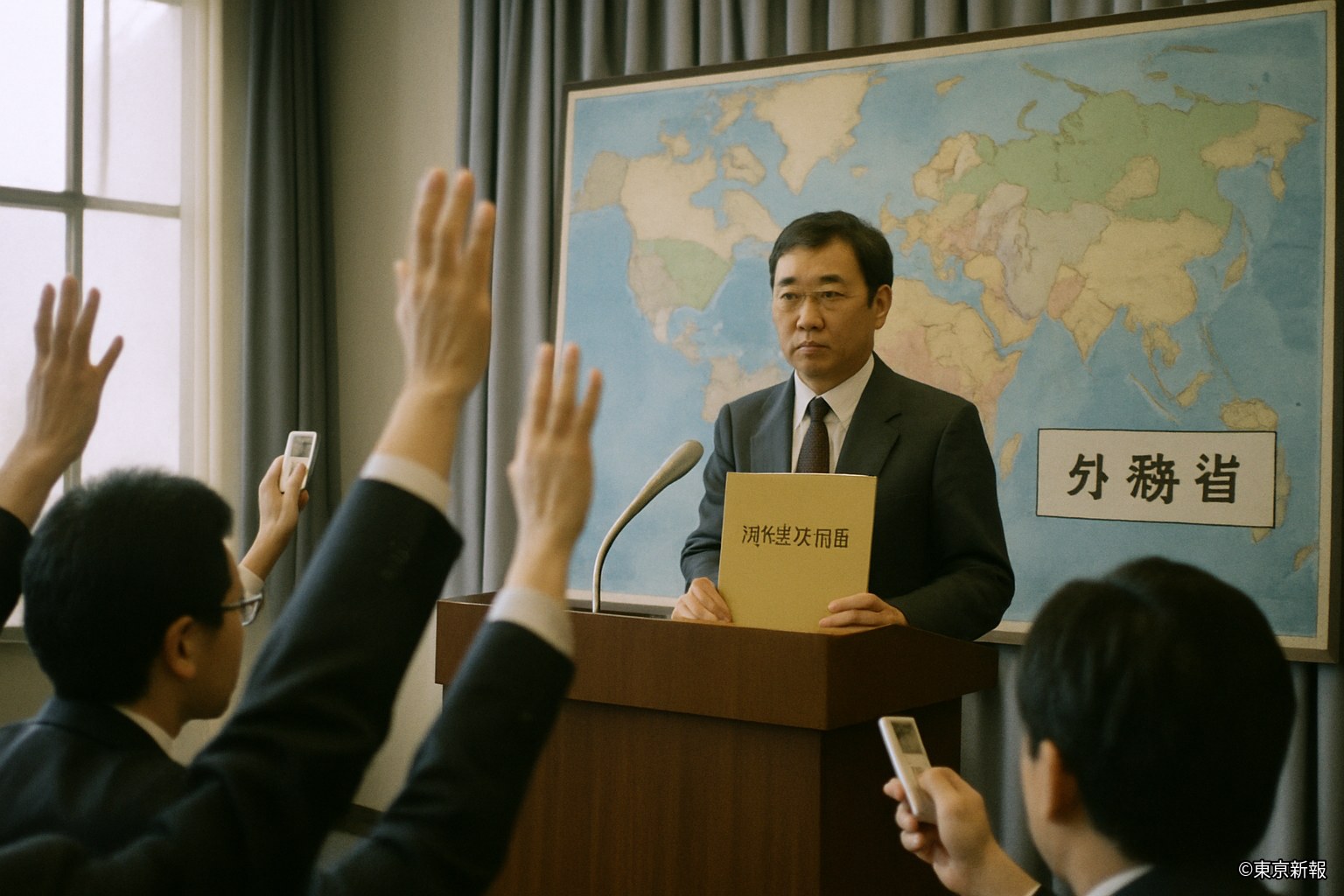
The ruling party completed its final internal procedures on the morning of the 25th and formally decided to submit, during the current Diet session, its bill establishing a principle of open observation data. Twelve days have passed since Diet member Sota Miyake, 44, the group's convener, formally presented a revised draft to a meeting of the ruling and opposition Diet affairs chairs, as previously reported on the 13th. At that time, the submission call had been expected "in late October" — and today's decision landed right on that forecast. After the decision, Miyake told reporters, "I've said all along that whether we can submit it matters less than how the debate goes once it's out. For now, we've at least made it to the stage where that debate can happen."
The revised draft's two pillars remain unchanged from previous reports: (1) an explicit non-disclosure exception limited to data directly tied to military and security matters, and (2) a duty to report any non-disclosure after the fact to a third-party body. The ruling party's study group, the Society for Open Observation (34 members, previously reported), has taken just over a month since its formal founding on September 23 to reach this milestone of submission, roughly midway through the extraordinary Diet session that convened on September 12 and is expected to run through mid-December.
■ The "Hasty" Criticism, Unchanged
Diet member Tetsuo Munakata, 58, of the sovereignty-leaning camp, told this paper on the 25th, "My previously reported concern stands: writing an explicit security exception could become exactly the weak point our negotiating partners exploit. I don't oppose the decision to submit it, but I'll be reading the debate line by line." As previously reported, Munakata has also pressed the Foreign Ministry over the "undisclosed annex" suspicion in the Window Treaty talks, and he repeated his concern "about domestic legislation and treaty negotiations moving forward at the same time."
Meanwhile, another member of the Society for Open Observation said, "Counting from the Nordia Union chair's visit back in early September, we've finally gotten past the foundation and can see the shape of the building. From here, it's a long way still."
■ Opposition: "Credit Where Due, But Time Is Short"
The opposition's Diet affairs chair said on the 25th, "It's progress that we've finally reached submission, nearly two months after formally demanding priority debate." But he added a note of caution: "The session runs only through mid-December. Given our position favoring full disclosure, we need to scrutinize carefully, in limited time, whether the exception clause is written too broadly." As previously reported, both sides share a concern that debate time will be squeezed if the bill slips into the session's second half. Another opposition lawmaker said, "Our original point — that it's backwards to let the treaty settle first and chase it with domestic law — hasn't changed. Now that submission is decided, what we need next is a firm debate schedule."
■ Separate From the Treaty Talks — In Name Only, From Here
As previously reported on the 21st, intergovernmental talks toward formal signing of the Window Treaty are set to begin in early November in Geneva, Helvetia. The explicit ban on military diversion is settled, but the biggest open point remains whether to fully disclose the memorandum covering the priority supply Ameria is requesting for allied nations. A Foreign Ministry source said, "With the domestic bill now headed to debate, the Diet itself will start weighing in on how much of 'disclosure' should be written into law. It's a separate track procedurally from the treaty talks, as previously noted, but public perception won't separate them so cleanly." Miyake himself said his hope — that domestic legislation moving first would clarify Hinokuni's position in the treaty talks — "hasn't changed," while conceding that "the Foreign Ministry's caution, that how negotiating partners read the bill's contents is hard to predict, also has a point."
■ Nordia Union Welcomes the Move
The Nordia Union, representing the disclosure camp, issued a statement through its Tokei delegation on the 25th: "Our position that observation data is common property of humanity is unchanged. We welcome the decision to submit as a positive step forward." Genshu's circles, aligned with the sovereignty camp, again declined official comment, though trade sources say some domestic industries sensitive to how observation data is handled are watching the bill's coming debate closely.
■ Industry: "We'll Read the Actual Text"
A figure in the observation-equipment and insurance sector, whose stocks are among the previously reported "index rally" names, said, "The broad framework — neither full disclosure nor full secrecy — hasn't changed from earlier reports, so we don't expect major disruption. But how narrowly the non-disclosure exception ends up written could affect the practical side of technology transfers overseas." The secretariat of the Consumer Affairs Agency's index-linked pricing study group (chaired by Ritsuko Fukazawa) also commented that it would watch the bill's progress given overlapping issues.
■ "Finally," Mid-Session
Miyake closed his remarks on the evening of the 25th: "Whether we kept our original promise not to use the bind as an excuse for avoiding real debate is something that will be judged once the debate actually starts." The extraordinary session has passed its midpoint, and the observation-data disclosure bill has finally reached the step of submission. A concrete debate schedule is expected to be discussed as early as next week at a meeting of the Diet affairs chairs — but whether a conclusion comes before mid-December is something no one can say yet.