Protect, or Remove? Edagawa's Lesson at the Fork in the Road
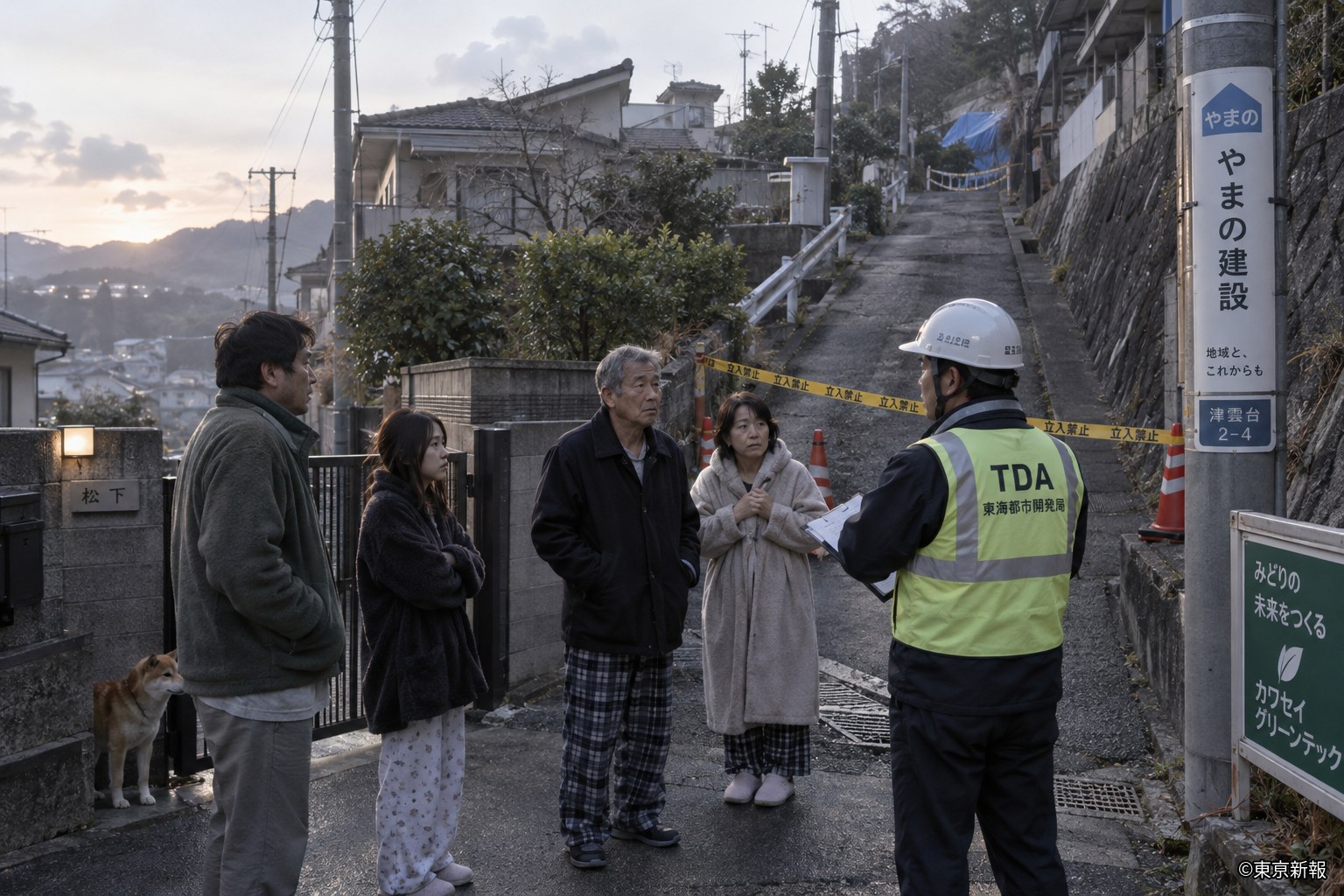
The fact that a living, large animal crossed a stable window for the first time brought a new question into politics. After TDA decided to place the cub from Window 4, 'the Giant Plains' (previously reported), under protective observation rather than removal, lawmakers in both the Diet and the metropolitan assembly raised questions on the 5th from across the aisle, repeatedly invoking the contrast with the September 2nd Edagawa case involving a designated drift species.
The fact that a living, large animal crossed a stable window for the first time brought a new question into politics. After TDA decided to place the cub from Window 4 under protective observation rather than removal, lawmakers in both the Diet and the metropolitan assembly raised questions on the 5th, repeatedly invoking the contrast with the September 2nd Edagawa case.
■ "Why Treat This Differently From Edagawa?"
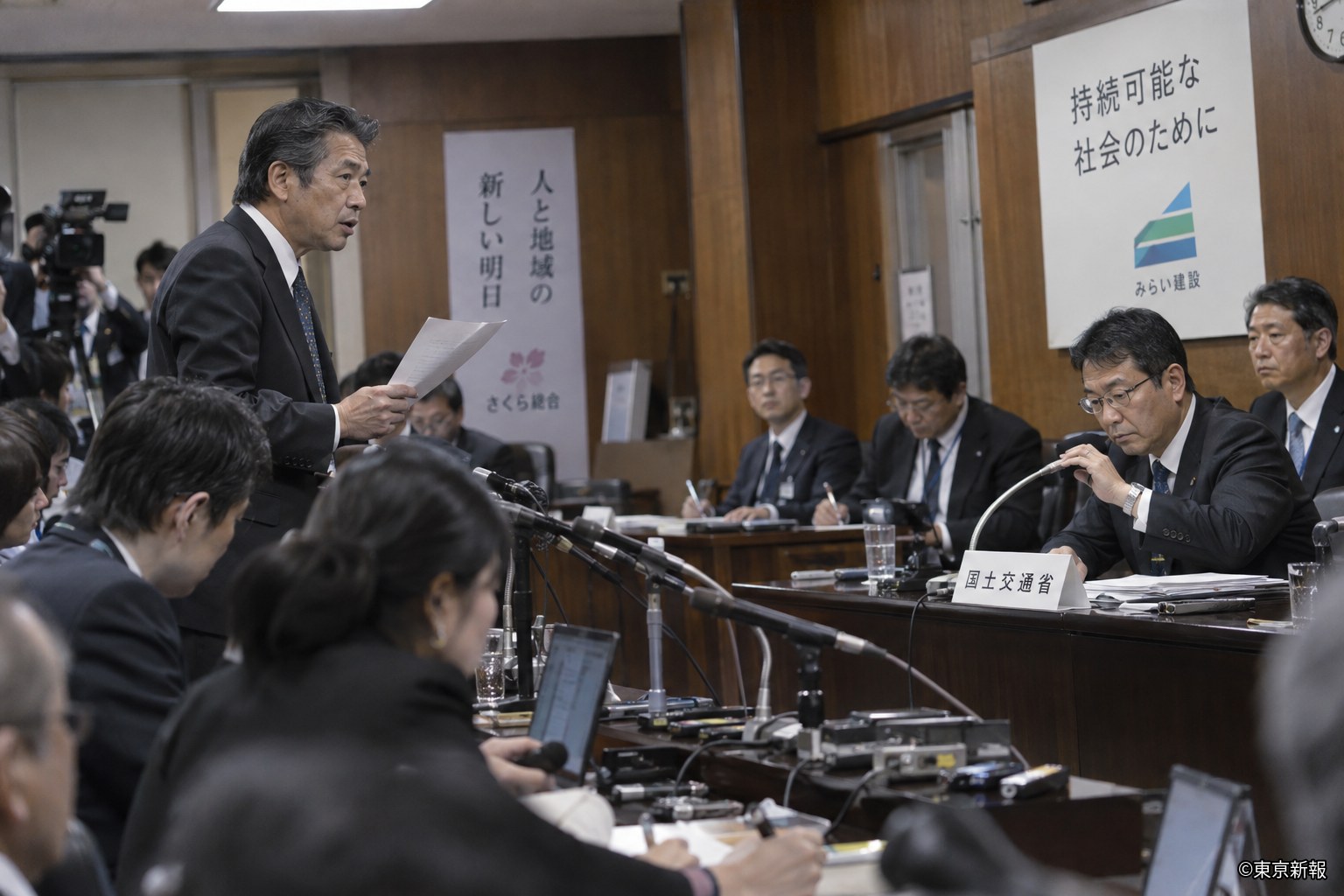
In a Diet committee session, Tetsuo Munakata, 58, a sovereigntist-bloc lawmaker previously reported, pressed TDA Director Makoto Hiura: "At Edagawa, a 600-meter cordon was drawn around an unidentified species, two people were injured, and removal procedures continued regardless. Now, facing a large animal whose identity is at least partly known, you settle for protective observation. What's the standard?" Hiura answered that Edagawa's subject was an unidentified designated drift species with a confirmed pattern of harm to people, while the cub had been under continuous observation since October 28th, had shown no violent behavior, and had not been reported as aggressive. "The difference in the subjects is what drives the difference in response," he said.
Munakata pressed further, asking whether an animal that could grow to dozens of meters would remain housed near a residential area. Hiura said the location and duration of confinement were still under review and might change depending on the impact on nearby residents, but gave no firm deadline.
■ In the Metropolitan Assembly
Assembly members representing the northern ward raised questions about the evacuation response on Oji Hill (previously reported). A ward disaster-preparedness official said the evacuation radius had been precautionary, and that the ward would consider its own response guidelines for similar future cases. The Dimensional Survey Division said the outside expert panel chaired by Professor Etsuko Kajiura of Wangyo University, previously reported, would take up the cub's handling as a priority item at its planned early-November meeting.
■ Edagawa's Lesson
The Edagawa case involved an unidentified designated drift species that injured two workers, with the cordon eventually expanding to 600 meters and the subject never captured (previously reported). Within the biological management division, there is said to have been internal reflection on "letting the cordon keep expanding without knowing what we were dealing with" — a lesson that appears to have informed today's decision. "At Edagawa, part of the problem was reacting after the fact without understanding what was happening," an official said. "This time, we can clearly see the individual cub, and there was awareness not to repeat the same confusion."
A lawyer who handled workers' compensation matters for the injured Edagawa workers at the time told this paper, "I understand why identification changes the handling, but from residents' point of view, the structure that leaves them distrustful — that it ultimately comes down to administrative discretion — is the same either way."
■ A Gap in the Rules
What today's events exposed was a gap: no framework had ever been set for a case where a living creature crosses a stable window onto this side. The Dimensional Boundary Management Act of 1983 governs matters such as state ownership of drift objects, but contains no provision anticipating a large, living creature's crossing. A TDA legal officer said the agency was handling the matter as protective observation within the biological management division's discretion, under existing law, and that whether permanent rules were needed would be examined in light of this case.
Some in the ruling bloc are calling for expedited legislation, and the matter may be taken up alongside deliberations on the previously reported data-disclosure bill. Ikuko Obi, previously reported as a member of the robot legislative panel, commented — while noting this was a separate matter — "We've seen rules struggle to catch up with reality before, in the debate over symbiotic robots. I hope a hasty conclusion is avoided here too."
■ Caution From Some in the Opposition, Too
Not every opposition voice called for swift removal. One lawmaker backing the previously reported data-disclosure bill supported the protective-observation policy, saying, "Leaning toward removal just because we don't fully understand something that crossed over alive would go against this country's own practice of saying plainly that what isn't understood isn't understood." The lawmaker added, "What's different from Edagawa is precisely that we can see this one clearly. Removing something you can see, versus being cautious because you can see it, are two entirely different judgments."
Positions did not split neatly along party lines, and the committee room saw an unusually cross-partisan exchange of questions. One ruling-bloc lawmaker admitted, "I'm hearing from constituents split roughly evenly between 'poor thing' and 'that's frightening.' Neither voice can be ignored."
■ A View From Edagawa
A resident affected by the Edagawa cordon — the night-shift factory worker, 48, previously quoted — said of today's coverage, "Back then, we never even learned what it was, right to the end. This time, at least, the size and appearance are known. That difference matters." The Edagawa closure, as previously reported, was lifted with no announced timeline and its subject was never identified, a contrast some have pointed to against today's comparatively swift disclosure.
■ What Comes Next
The length and criteria of protective observation, safety measures near the residential area, and whether permanent rules are needed — none of it is settled. The Dimensional Survey Division repeats only that it will judge based on the cub's condition and expert advice, and debate in the political arena is expected to continue.