Spring-tide weekend: TDA concentrates bay observation in first test of the tidal-correlation claim
The TDA's forecast division announced on Sept. 1 that it will run three days of concentrated observation along the bayfront from the 5th, timed to the spring tide, following a Wanyo University analysis that reported a correlation between the bay's permeation index and the tides. It is the first observation program designed specifically to test that claim.
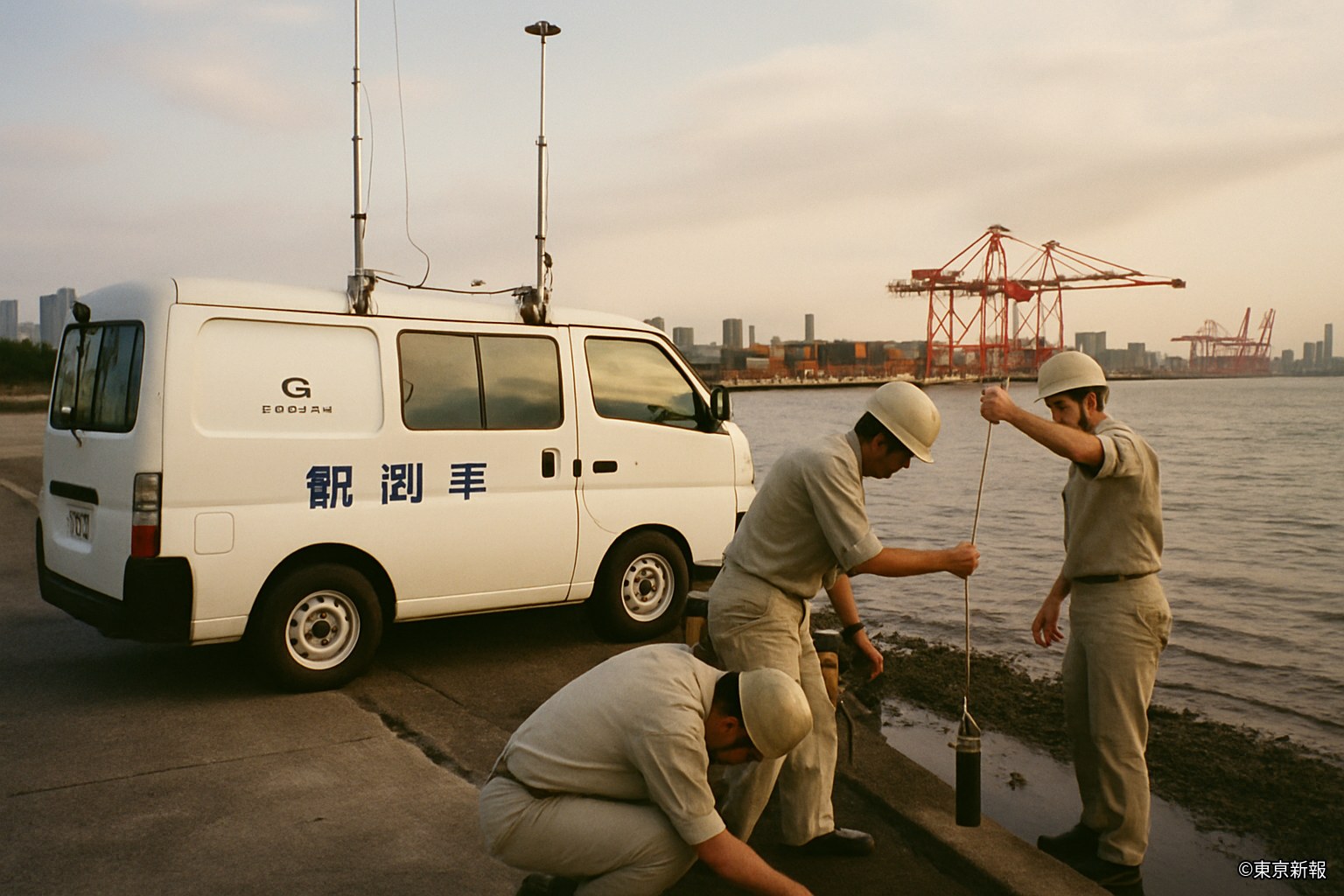
The concentrated program runs from midnight on the 5th to 11:59 p.m. on the 7th. Two temporary observation points added in the warehouse district in August will anchor it, with two mobile observation vans stationed along the quays, giving four points of continuous recording. Tide levels will be supplied minute by minute by the port authority's tide station and aligned to the same clock as the index. It is the first time, the forecast division says, that index and tide will be matched second by second.
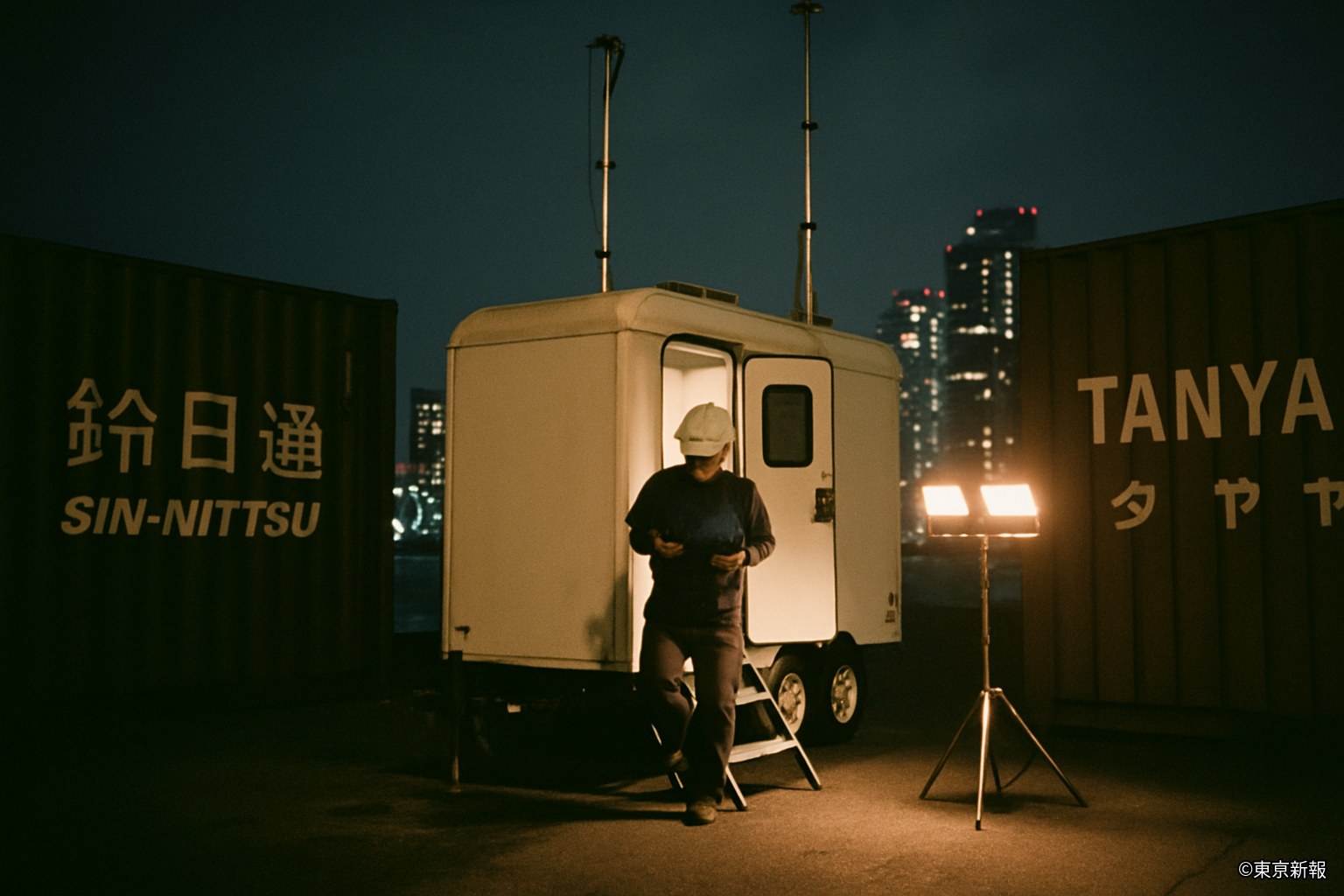
The two hours on either side of each high and low tide are designated "priority windows," with field staff doubled for those hours alone; a lighting truck will be brought in for the pre-dawn low tide on the 6th. "The hour you most want to see is the darkest and has the worst footing," said the forecaster leading the field team. "Observation is usually like that." The bay recorded fourteen "medium" index days in August, more than double the seasonal average, and the division has yet to identify a cause.
The correlation was reported by the laboratory of Asuka Urato, 39, an ocean physicist at Wanyo University, which compared three years of index and tide data at four bay sites and found the index edging upward around spring tides. Her group will assist with analysis. "If the correlation vanishes, that too is a result. Testing is not the same as trying to be right," she said. Three students spent an entire summer keying in ledger figures by hand. "I owe them an apology. But this weekend the sea will tell us whether their numbers were right."
The forecast division has not softened its caution. "Even if the correlation holds, we cannot use it in forecasts while the mechanism is unknown" was the phrase repeated at the briefing. Temperature and barometric pressure have both been raised and dropped as candidate variables in the index forecast; nothing has ever been folded into the model on statistical association alone.
Resources are being concentrated anyway because, in the division's words, "at present there is no explanatory material for this summer's sustained index other than the tides." With index-linked pricing and insurance spreading and inland warehouse rents rising, each forecast now lands directly on somebody's books. "Testing nothing for fear of being wrong is the expensive option," a senior official said. Preliminary results are due on the 8th, with an interim analysis in mid-September.
The final day, the 7th, falls on Drift Remembrance Day. The area around Kishihama Park, where the ceremony will be held, lies inside the observation zone — "a calendar coincidence, unrelated to the ceremony," the division added. No van will be parked near the venue; equipment will sit on the seawall on the park's eastern side.
The division took an unusual step this time: it published, before the program began, the criteria by which a correlation would be judged to exist. A three-page document posted on the 1st sets out how far the index around each high and low tide must exceed the 30-day average for the same hour to count as significant. "Draw the line afterward and most graphs look like something," the forecaster said. "Draw it first and you can admit it when you miss." No previous TDA observation program has pre-published its criteria. Spring tides come twice a month, and nobody expects three days to settle anything: "This will not decide it. We are doing the first round knowing that."
A man of 64 who takes his turn on the fishermen's cooperative roster has posted the tide table outside his shop for forty years. "On tide dates, we know first. I only started posting the index sheet beside it last year. Put two sheets side by side and of course you compare them. Some days they feel alike. Only feel." The forecast division neither affirms nor rejects such impressions: "An impression can seed a hypothesis, but it is not material for a test. That is why we are going out this weekend to collect material."
A warehouse security guard, 58, sees the vans often on his night rounds. "When the tide goes out, the smell changes. So when that van shows up, I know it's a spring tide. I don't follow the index talk, but on tides, we knew first." The division has renewed its warning against going near the quays during the program: "At a spring low tide, places you cannot normally walk look walkable. They only look it."