Brokerages warn of froth as "index trade" lifts Yatsuya Keiki to record high
Buoyed by strong preorders for its household permeation-index meter, Yatsuya Keiki closed at a record high on the Tokei Exchange on Aug. 31. With money crowding into observation equipment, insurers and appraisal-related names in what traders now call the "index trade," brokerages are warning clients that a forecast is not an earnings figure.
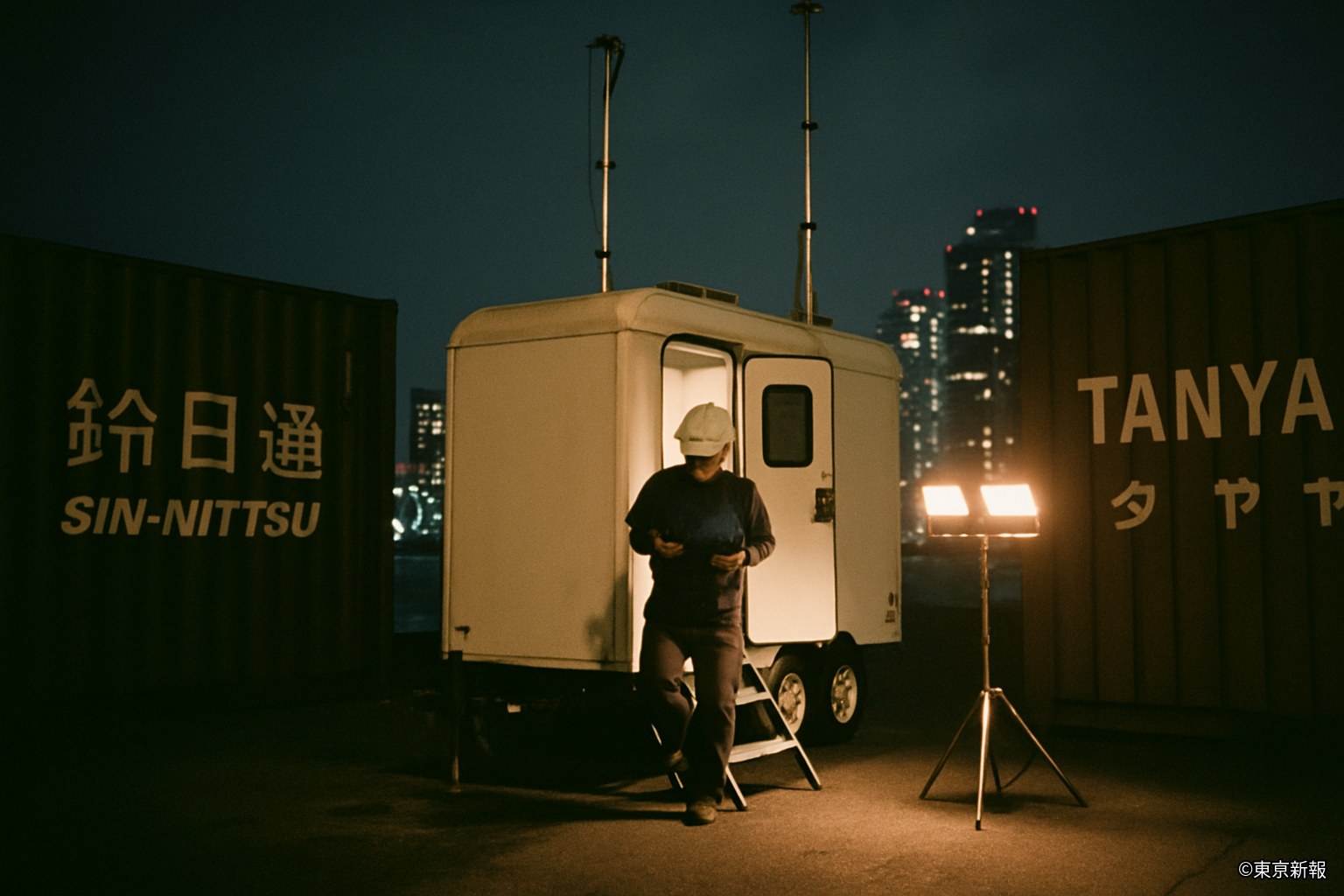
Yatsuya Keiki closed 6 percent higher on Aug. 31, a record close and a gain of roughly 40 percent this month. Turnover has swollen to eleven times its average at the start of the year. The trigger was preorders for its household permeation-index meter, the Yuragi Meter Home, running far past company projections. Yatsuya's core business is fixed installation instruments built at its bay-area plant; household devices account for less than a tenth of sales. The single idea of "an index in the house" was enough.
Buying spread outward. Two non-life insurers offering forecast-linked policies rose about 20 percent each this month, and the bid carried into education firms running appraiser courses and property firms holding inland warehouses. Traders call the cluster the "index trade."
Behind it is the bay's persistently elevated permeation index this summer. "When the index rises, charms sell, insurance sells, inland warehouses fill," one market participant said. "That is the association. The association does not think about the day the index falls." Margin buying balances rose 2.3-fold in August, heavily retail, sharpening the swings.
Brokerages keep repeating that a forecast is not an earnings figure. "Profit growth in observation names is governed by equipment life and replacement cycles," said one large firm's head of investment information. "One high-index summer does not double next year's orders." The phrase is not new. Five years ago, when the appraisal accord with Rukai was signed, marine-recovery names spiked and most gave the gains back within six months. "There was a logic then too," said a fund manager who traded it. "The more logic a market has, the later people get off." What differs now is that the material is household consumption: forecast-linked policies already account for more than 60 percent of new drift-object riders, and the index is becoming a line in the family budget. One brokerage report notes that the defensible multiple differs by more than a factor of two depending on whether this is read as one-off disaster demand or as permanent living infrastructure.
The Tokei Exchange issued a general caution on Aug. 31, naming no securities, that heavy concentration in a single theme risks distorting price formation; it has taken no specific measures such as supervisory designation.
At retail seminars, the advice is deliberately dull: buy Yuragi names on earnings. A session at an eastern-ward branch drew twice its capacity. "We are grateful for the enthusiasm," an organizer said wryly, "but it is a problem when the reason for coming is that it has gone up."
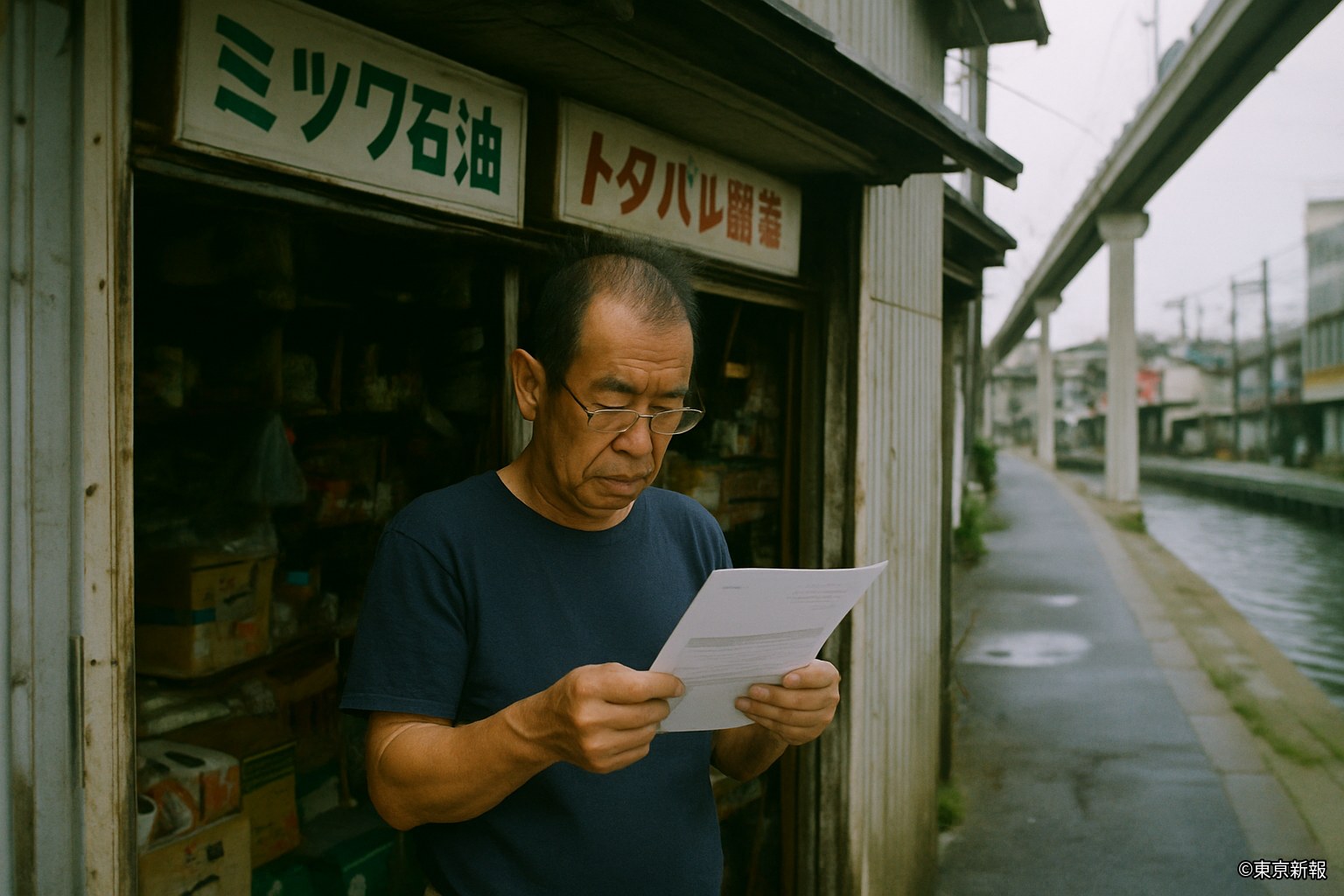
Yatsuya Keiki itself declines to discuss the price. "No comment. We make things and we sell them," a spokesperson said. The household line has gone from two shifts to three, but supply of the sensing element at its heart has not kept pace, and current preorders are not expected to ship in full until spring. Around the plant, help-wanted notices have multiplied. "The lunch rush shifted by half an hour," said the 58-year-old owner of a nearby set-meal shop. "I don't understand stocks. I understand how much rice to cook."
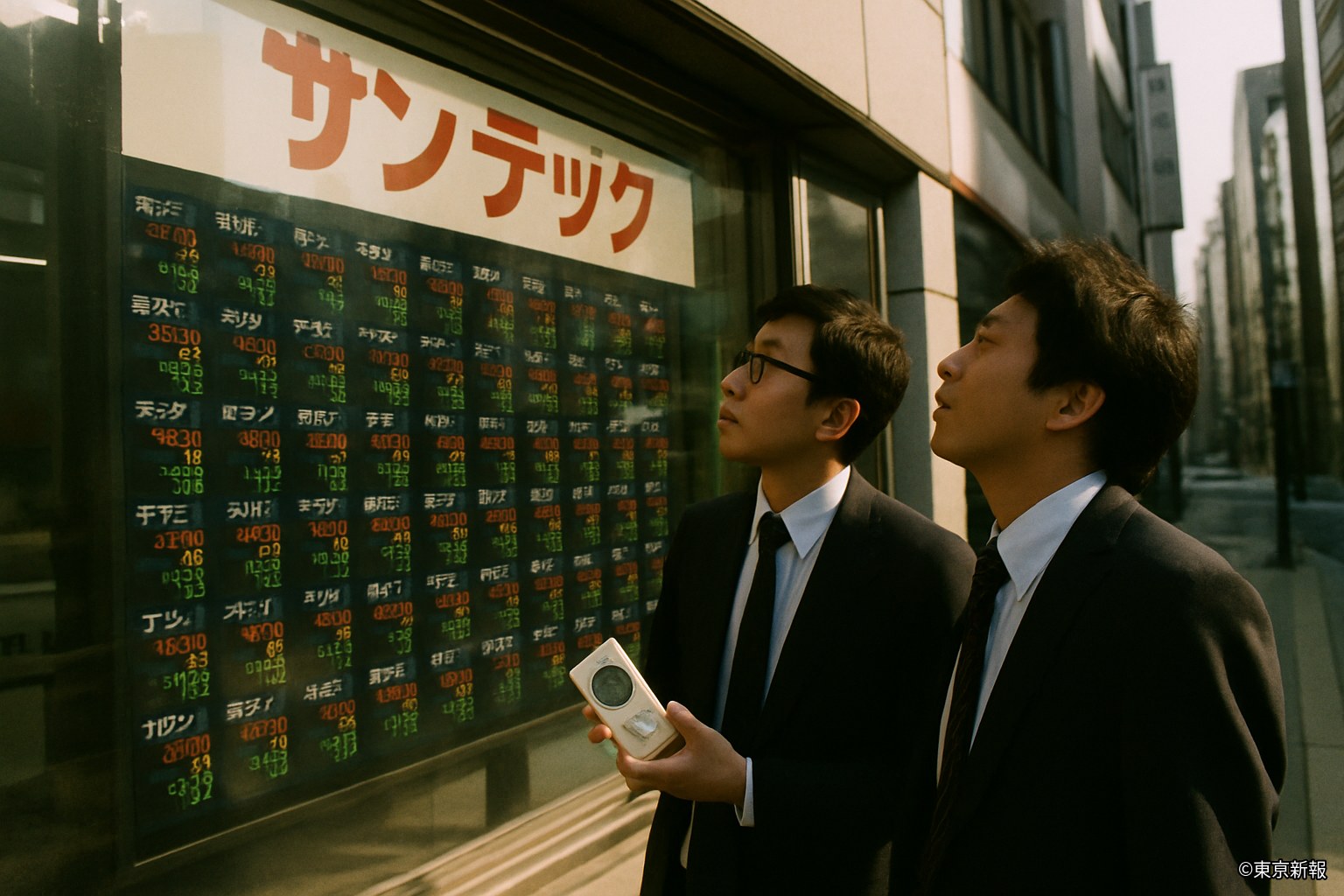
Outside a branch office, a private investor, 63, looked up at the board and laughed. "I bought one of those white gadgets for my grandson. It turned out the stock was what went up." Then he added: "My daughter lives in the bay district. Holding shares that profit when the index rises is not a comfortable feeling. So I am thinking of selling soon."