City Moves Toward Formally Recognizing Second-Generation Witnesses for the Shore Crossing Rite
The city said on the 9th that it has begun coordinating with the coalition of ceremonial associations to formally list second-generation witnesses as a recognized option for the coming-of-age rite known as the Shore Crossing, rather than treating them merely as stand-ins as before. The move responds to the aging of first-generation witnesses and aims for adoption ahead of next spring's joint coming-of-age ceremony.
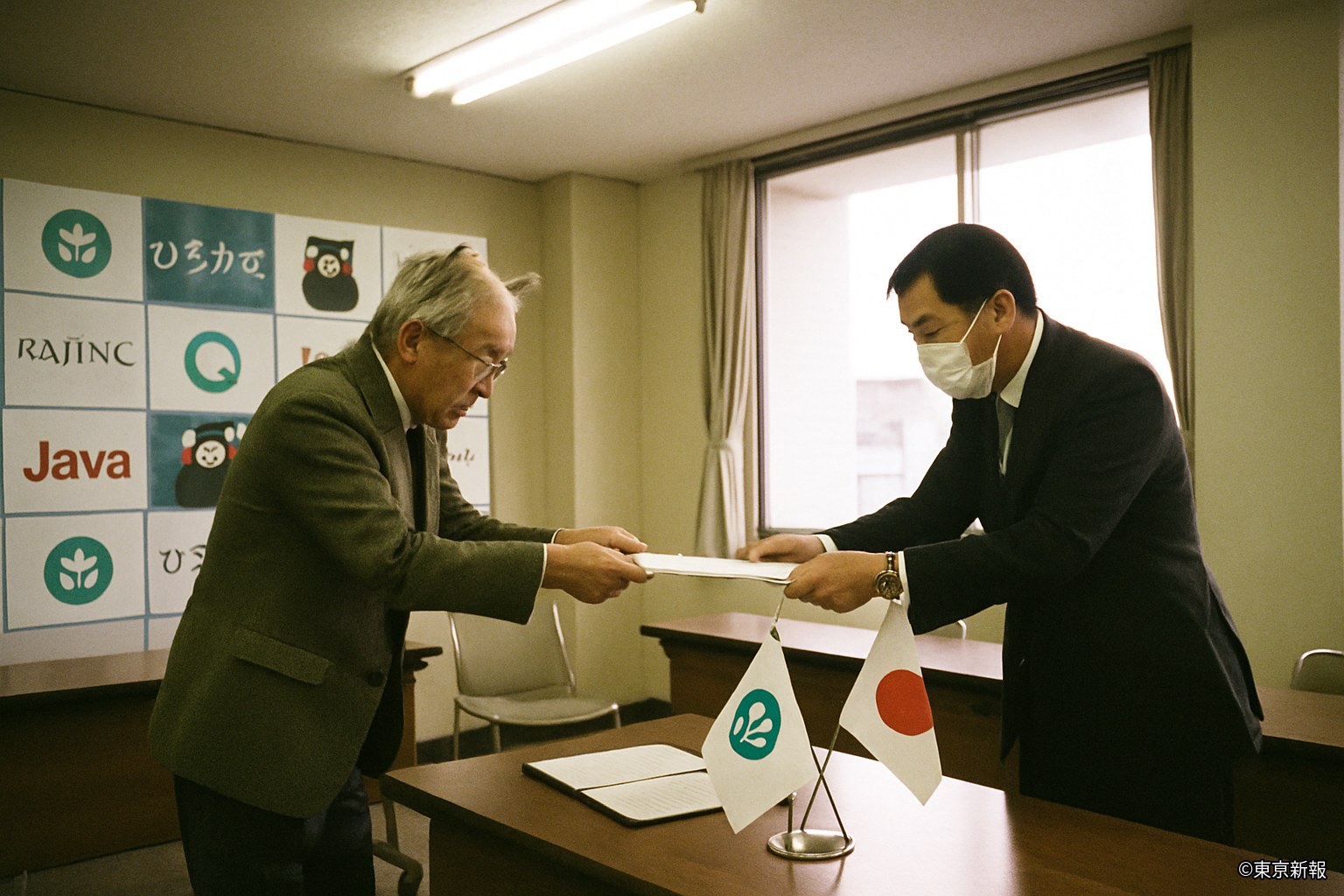
As previously reported, witnesses for the Shore Crossing rite may be either first- or second-generation drift settlers, but custom has treated first-generation witnesses as the rite's proper form, with second-generation witnesses in some districts regarded merely as stand-ins. The city's civic engagement division said on the 9th that, following talks with the coalition of ceremonial associations that began on September 2, it is now moving to formally list second-generation witnesses as a recognized option across all districts, rather than as a substitute. "The word 'stand-in' itself has placed a burden on the second-generation people who have served in this role," a division official said. "It's time to bring the system in line with how things actually work."
As previously reported, the city is home to roughly 480 first-generation settlers, of whom only a few hundred are believed physically able to serve as witnesses. The division said this figure was a central factor behind the new direction. "If we insist on the traditional form to the point of straining the first generation, some districts risk losing the rite altogether," the official said. "What matters is preserving the Shore Crossing itself, not the letter of its form." The nine registered ceremonial associations in the city, previously reported, each follow different local customs for requesting a witness, and the new registry is intended to serve as a cross-district intermediary as well.
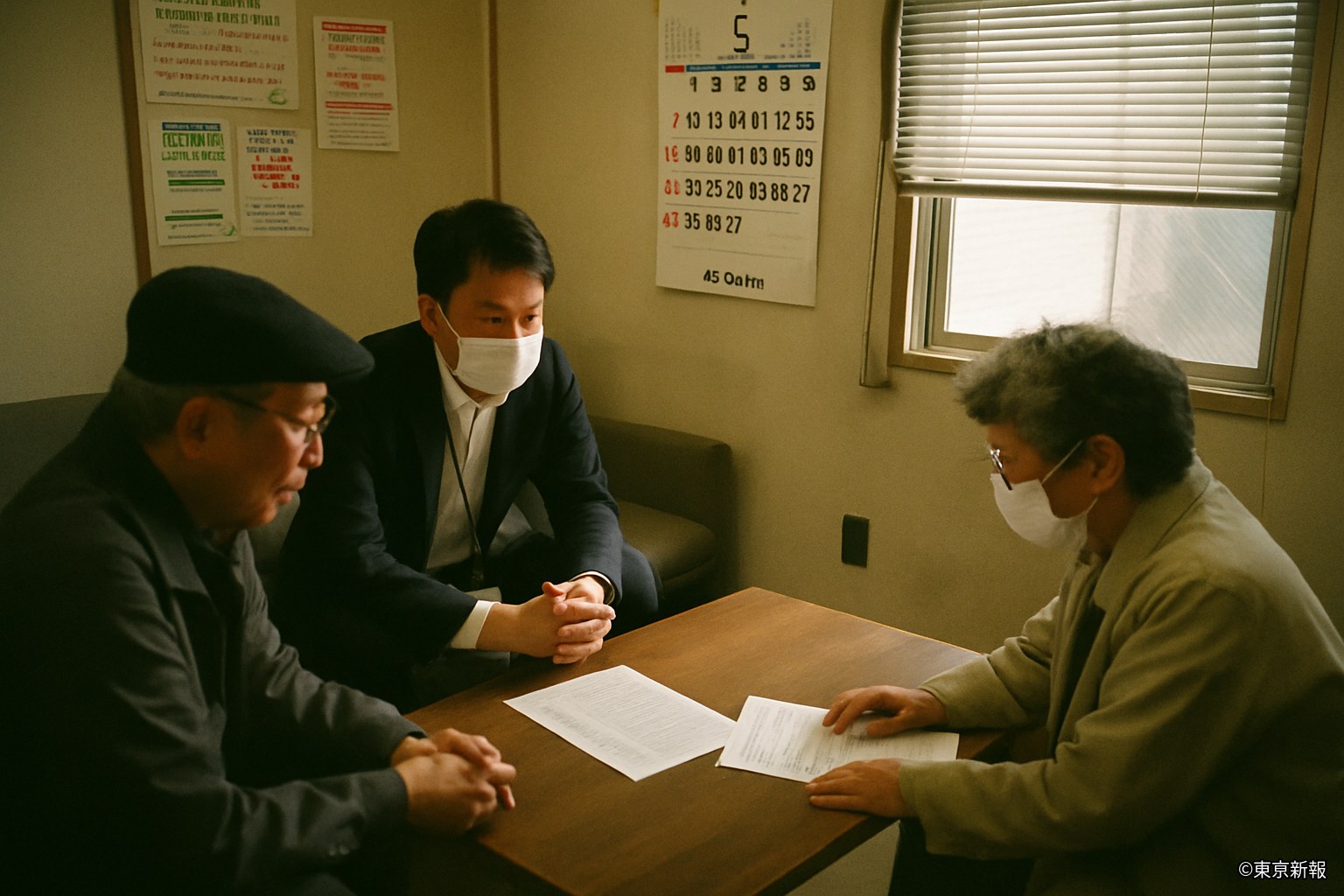
The coalition of associations has responded cautiously but has not rejected the direction. "The primacy of first-generation witnesses isn't in question," a coalition official said. "But formalizing second-generation witnesses should prevent situations where elderly people push themselves past their limits." Some district associations, however, worry that formalizing the practice could dull the sense that it exists as a fallback for when a first generation witness is no longer available. The coalition plans to gather district-level opinions before formally responding to the city's proposal. Its previously reported line — "We'll object. But it would be worse if this isn't ready in time" — is said to have been the starting point for the current talks.
A man, 58, who has served as a second-generation witness for several years, told this paper, "Every time I heard the word 'stand-in,' it felt like being told I wasn't the real thing. But I could never turn a family down when I saw their faces asking. If I can be called a witness now, instead of a stand-in, that alone changes how it feels." At the same time, he said he hoped formal recognition would not come at the cost of diminishing the weight carried by first-generation witnesses' words — a sign that some second-generation witnesses themselves want the change handled carefully, not as a loosening of the rite's form.
As previously reported, the mechanics of the Shore Crossing itself — beginning with a first-generation speaker's spoken words, proceeding barefoot to the water's edge, and returning after touching the seawater with both hands — remain unchanged. The city stresses that this adjustment concerns only the surrounding question of who may serve as witness, not the rite itself. "The core of the practice hasn't changed in 51 years," the official said. "We have no intention of changing it, and we don't believe we have the authority to. The rite itself remains the coalition's to decide."
The division also said on the 9th that it is moving up its timeline for organizing the outstanding issues, originally targeted for the end of the year, to sometime in October, judging that the registry's basic framework needs to be settled this year to be ready for next spring's joint ceremony. "We want to listen carefully to the witnesses themselves, even while moving quickly," the official said. "Moving fast and being careless are not the same thing." The city plans to hold district-by-district briefings in October, with a detailed schedule to be announced soon.