Yorusagi designated a specified drift species: count first, do not cull

The TDA's biological management division formally designated the drift species known as the Yorusagi a specified drift species on Aug. 31, the twelfth such designation. Rather than capture or culling, the framework rests on population management and habitat monitoring, with the first full ecological survey to begin this autumn.
The designation follows confirmation of three fledglings in the green space between late July and August. The division treats successful breeding, rather than seasonal arrival, as the threshold for establishment; three weeks passed between the fledglings and the designation.
The Yorusagi was first recorded four years ago along a canal in the northern ward. Initially taken for a subspecies of native heron, it was reclassified as a drift organism two years ago on the basis of wing-root skeletal structure and the fact that it does not call. Roughly 40 birds are estimated in and around the green space — an estimate with wide margins, because they move only at night.
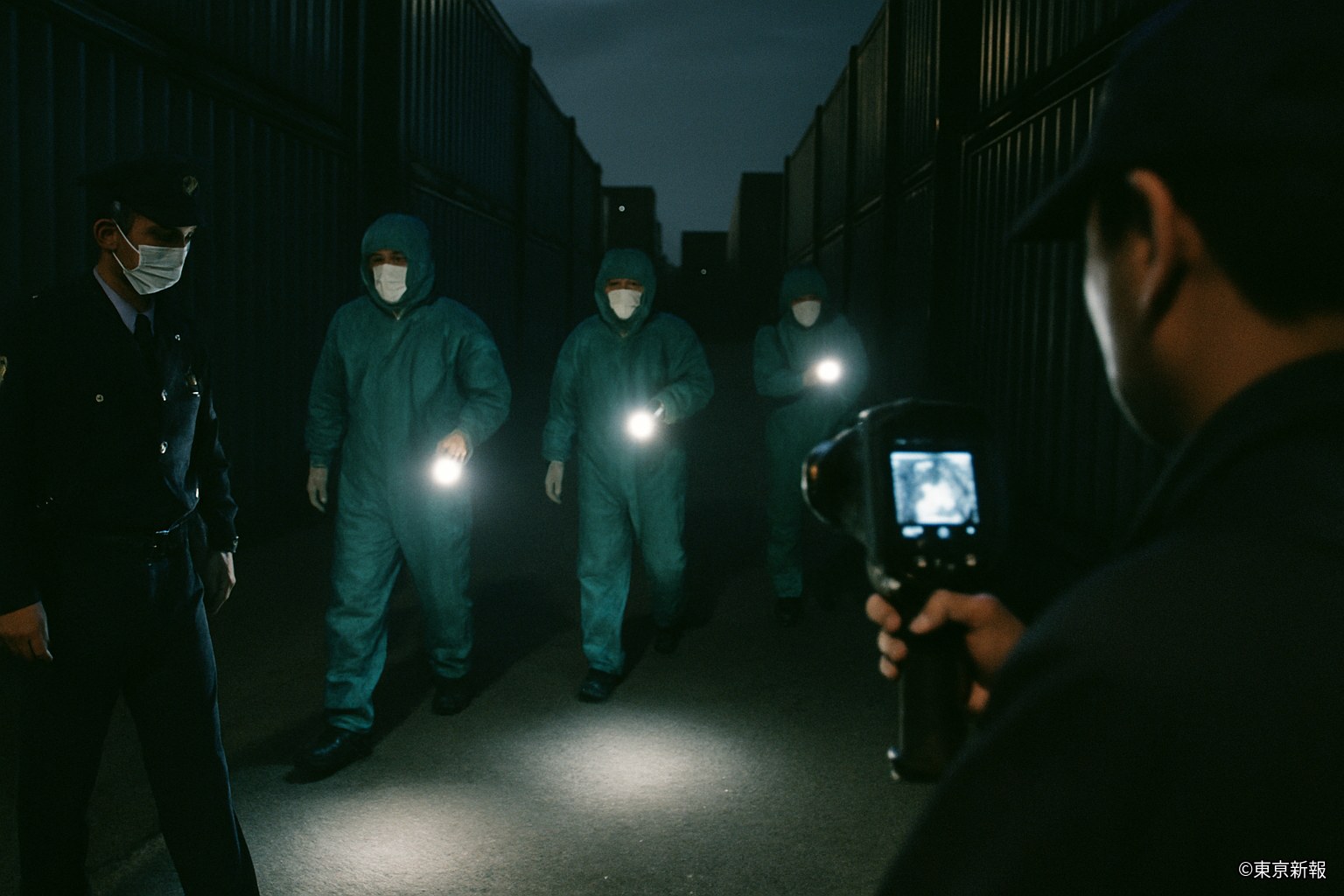
Twelve observation cameras and a banding station will be installed. Capture is limited to fitting bands, after which birds are released on the spot. "We will spend three years simply counting, to see whether there is competition with native herons," the division said. "Where we stand is that almost nothing is known about its ecology." Diet, breeding season, and whether it overwinters are all unsettled. The specified drift species framework dates to the Torek 40s; of the eleven prior cases, culling was carried out in one. "If you reduce a population before counting it, you cannot tell whether it was reduced," said a researcher involved in drafting the rules. "That is the entire reason for the order of operations."
Feeding the birds and approaching nesting sites are now prohibited, with fines for violations — a response to a summer of night visitors. Tripods lined the pond, some using powerful lights, and the ward received more than twenty complaints. Nighttime closing of the green space has been moved up from 10 p.m. to 8 p.m.
"I open the window and there is no call," said a woman, 52, who lives nearby. "So even if they are increasing, I would not know. It took a while to get used to something I don't understand living at the edge of the garden. Now I simply live as though they are there."
A man, 68, who has watched birds in the green space for twenty years, was in his folding chair before sunset on the day of the designation. "It resembles a heron, but it folds its neck differently. The native ones fold in a Z; this one goes deeper, as if there is one extra turn in it. At night it flies just above the water without a sound. No wingbeat. Designated or not, that silence is something." He went on: "If the office wants to count them, fine. I watched for twenty years without counting. I suppose it is true that you cannot protect what you have not counted."
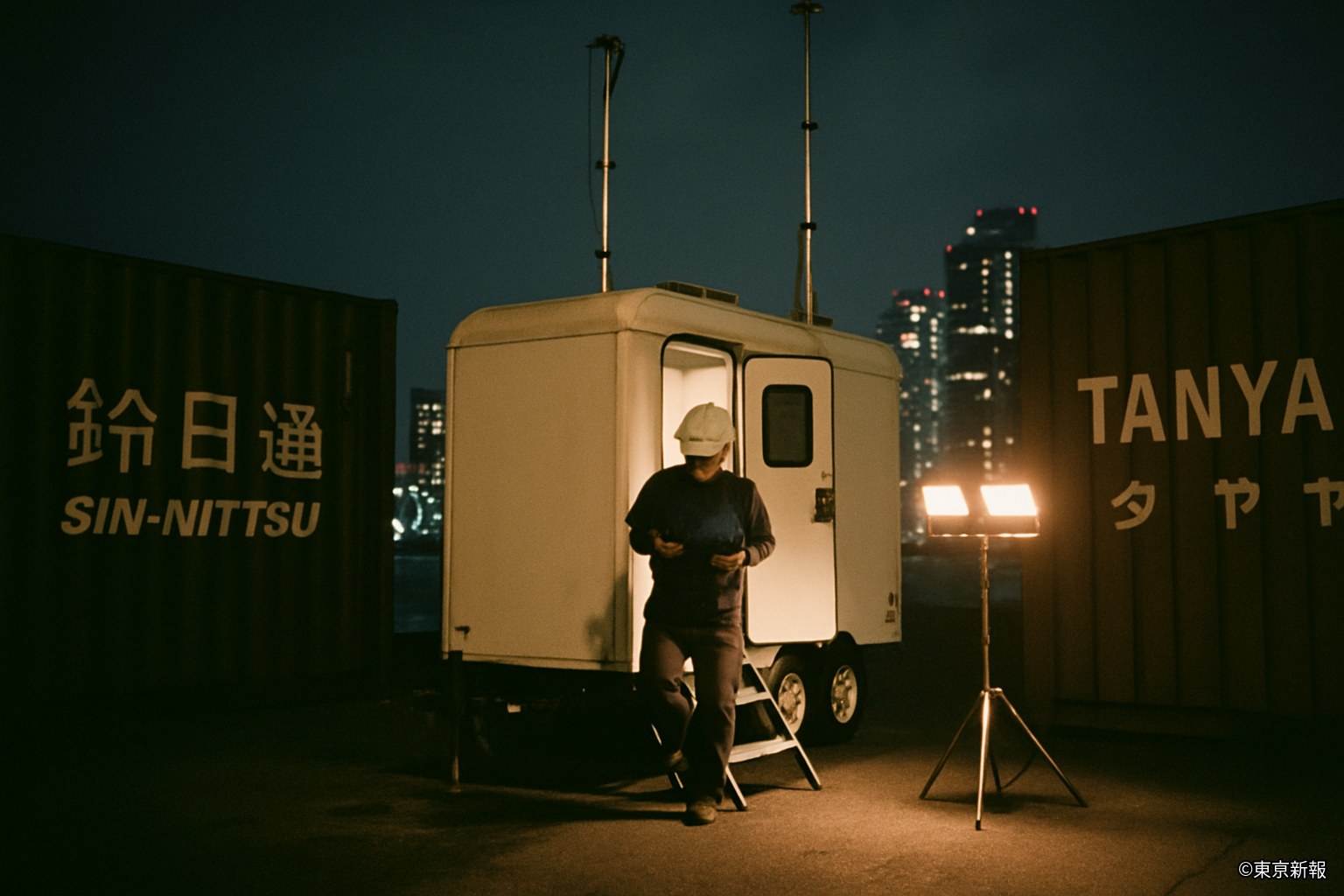
The ward carries the fieldwork: power for the cameras, a prefabricated hut for the banding station, and the signs. Staff spent two weeks on the wording. "Write 'danger' and people stay away — but we do not know that it is dangerous. 'Please do not touch' is too weak. In the end we wrote three lines: it is a designated species, do not feed it, do not approach. No reason given. There is nothing yet we can put there." Fourteen signs went up at the entrances and around the pond. Of the eleven earlier designated species, two have had designations lifted after three years of survey — both because establishment could no longer be confirmed. None has ever been lifted because the ecology was understood.
The full survey begins in late September, focused in its first year on population estimates and home range; comparison with native nesting counts comes from the second year. The designation is due for review in three years. "It may still be unknown after three years," a division official added. "In that case we will write that it is unknown."