New Theory on the "1975 Question": Researcher Points to a Solar-Wind Disturbance, Field Stays Cautious
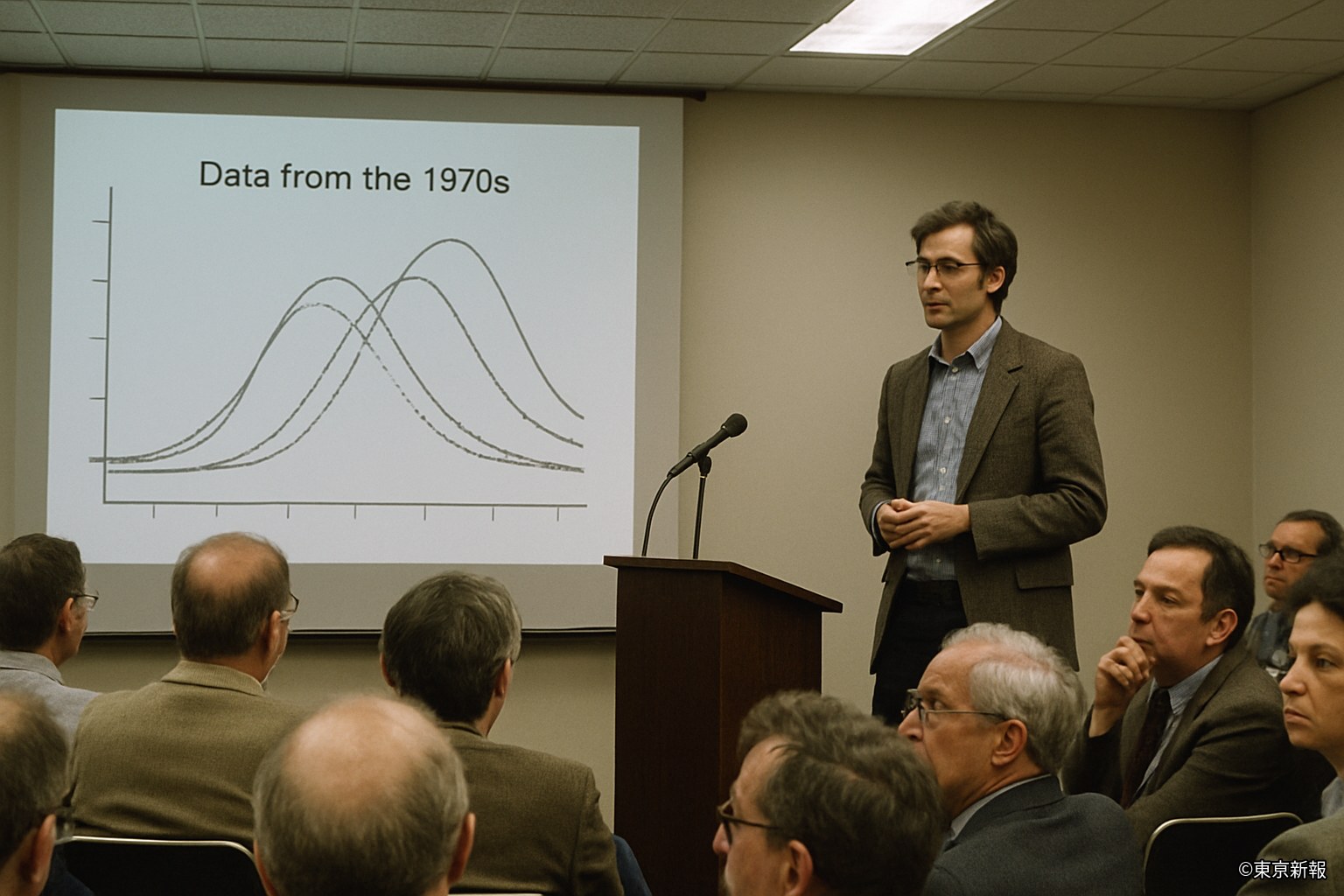
At a domestic observation-science conference on the 4th, Associate Professor Saotome Manabu of Tokei Institute of Technology presented a new theory on the long-unsolved "1975 question" — why yuragi began appearing in the 1970s — pointing to a recorded solar-wind disturbance close in timing to the earliest observations. Other researchers responded cautiously, noting correlation is not causation. TDA maintained its standing policy of not commenting on origin theories.
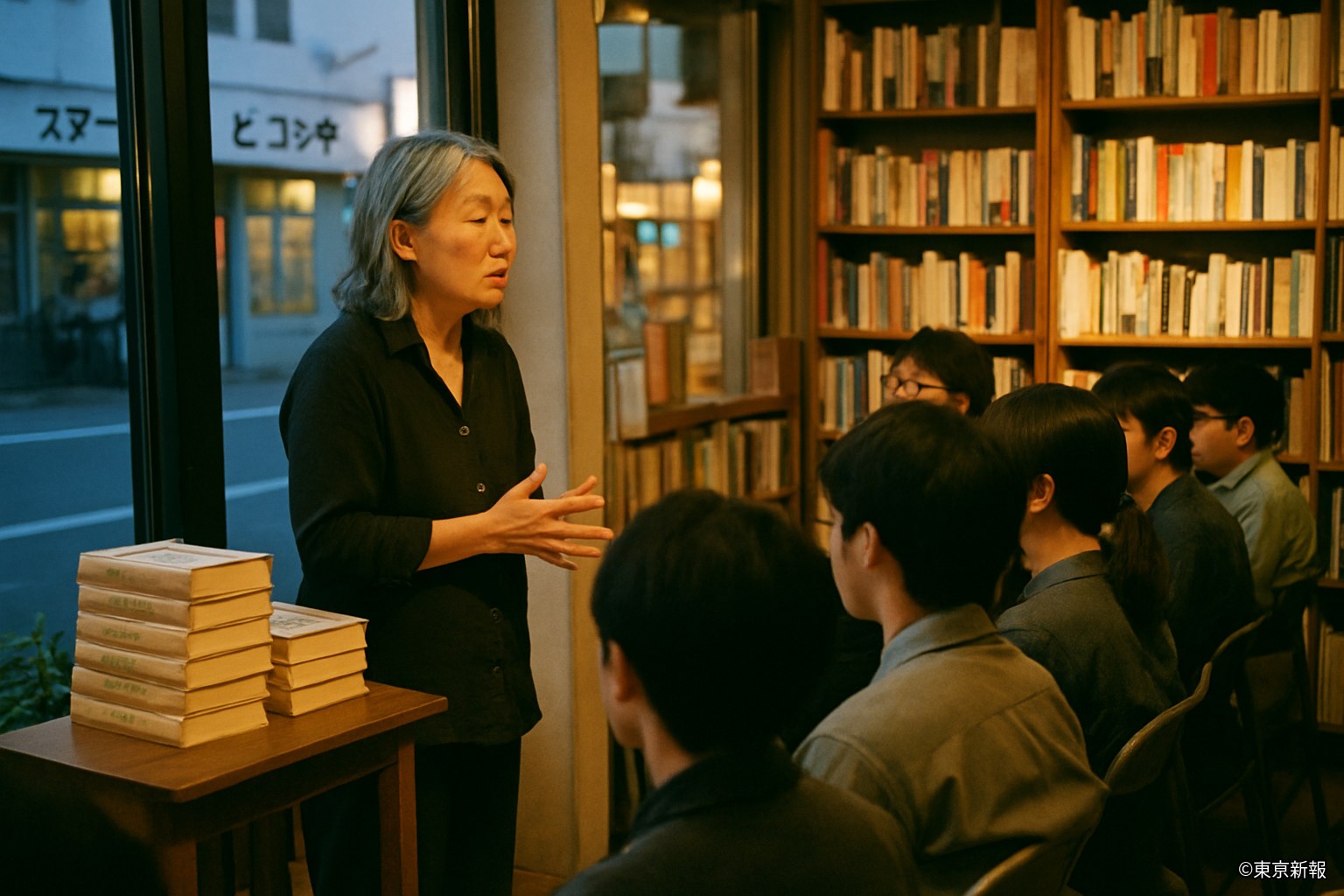
At the annual meeting of a domestic observation-science society on the 4th, Associate Professor Saotome Manabu, 45, of Tokei Institute of Technology, presented a new theory addressing the long-unsolved "1975 question" — why yuragi began appearing when it did. Going further back than the 1976-onward chart-paper records examined by the previously reported Seventh International Joint Research project, Saotome analyzed weather-observatory records of a solar-wind disturbance in late 1974, arguing its timing relative to the earliest observations was "too close to be coincidence." He was careful to add, "I haven't proven causation. But I think records from a period that's gone largely undiscussed deserve another look."
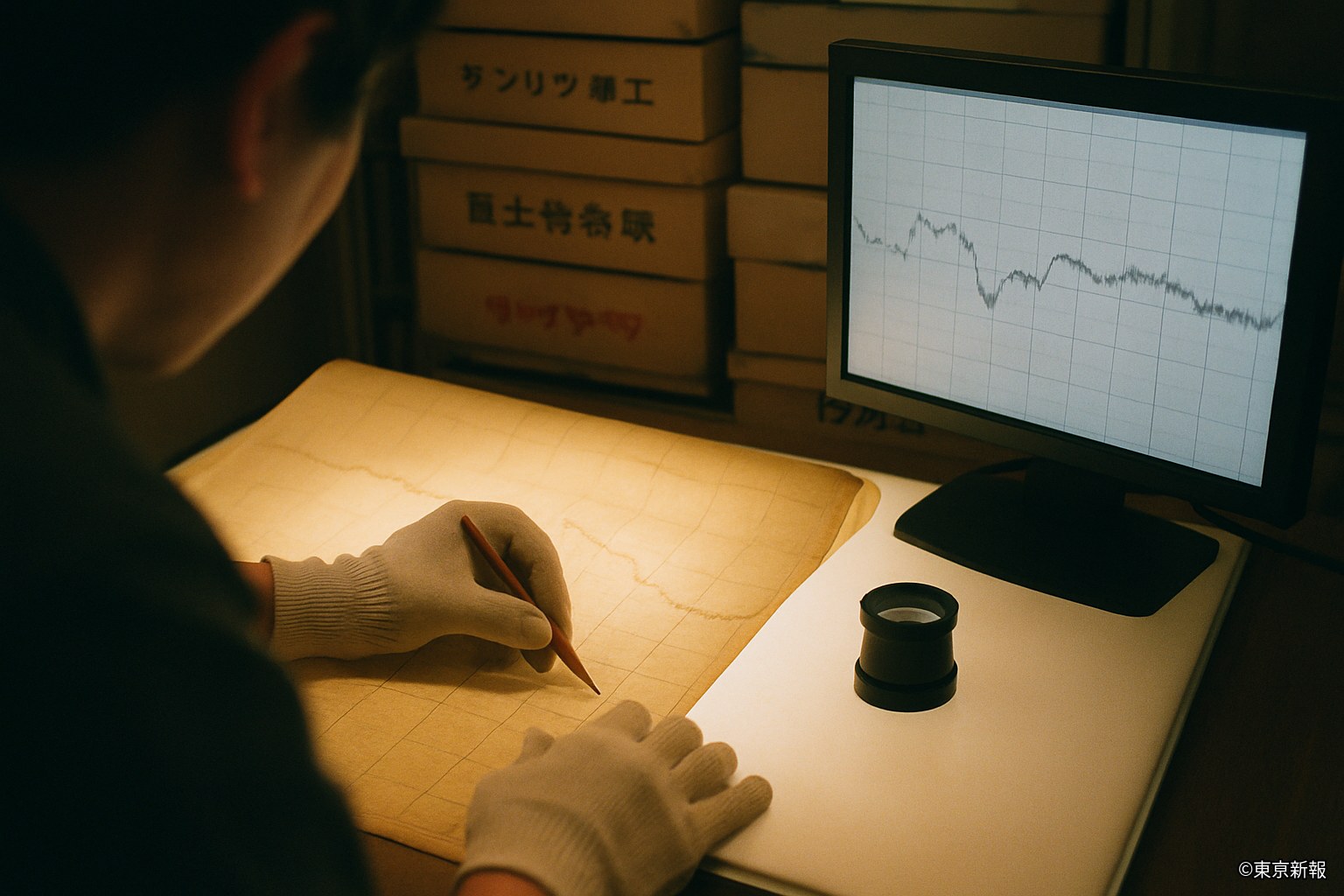
Saotome said the idea traces back to paper records from an old weather observatory that he saw as a student, records slated for disposal. "The 1975 observation data gets cited often, but it felt like no one had looked at the year before it," he recalled. His presentation compared the pattern of solar-wind disturbances recorded from October 1974 through the following February against the interval to the first observations in early 1975, presenting a statistical analysis arguing the interval's shortness "stands out" against known comparable cases. Around 120 researchers filled the hall, and the question period ran well past its scheduled time.
Several researchers raised objections during the question period, noting that similar solar-wind disturbances were recorded around the same era without any corresponding onset of yuragi. One researcher involved in the Seventh International Joint Research project said, "Correlation without demonstrated causation is the fate of this whole field. The new theory is welcome, but verifying it will take more time." Another attendee offered a more measured take: "A presentation like this comes along maybe twice a year in this field. That's not necessarily a bad thing, but I can't say yet that this one is special." The broader mood in the hall was not one of immediate endorsement, but of waiting for further verification.
Some in the audience were more receptive. A junior researcher who said the unsolved question had interested him since his student days remarked, "I know most of the reaction is skeptical, but there's value simply in someone engaging with that 1974 blank spot. Verification can't even begin until someone touches it first." Saotome himself said he had expected a mixed reception: "I think there's value in the fact that it didn't pass without any reaction at all."
TDA repeated its standing position on Saotome's presentation: "Our agency's role is observation and forecasting; we don't comment on academic debate over causes." As previously reported, why yuragi began in the 1970s remains, half a century on, the field's largest unsolved question, and new theories have repeatedly made headlines over the years. Saotome said he plans further analysis incorporating records from other observatories of the period, with his next presentation likely sometime next year. "Whether it's disproven or reinforced, I think it's my job to be the one who takes the next step," he said, adding, with the Arrival Remembrance Day ceremony two days away, "Digging up fifty-year-old records is a separate undertaking from treating that day as something special."