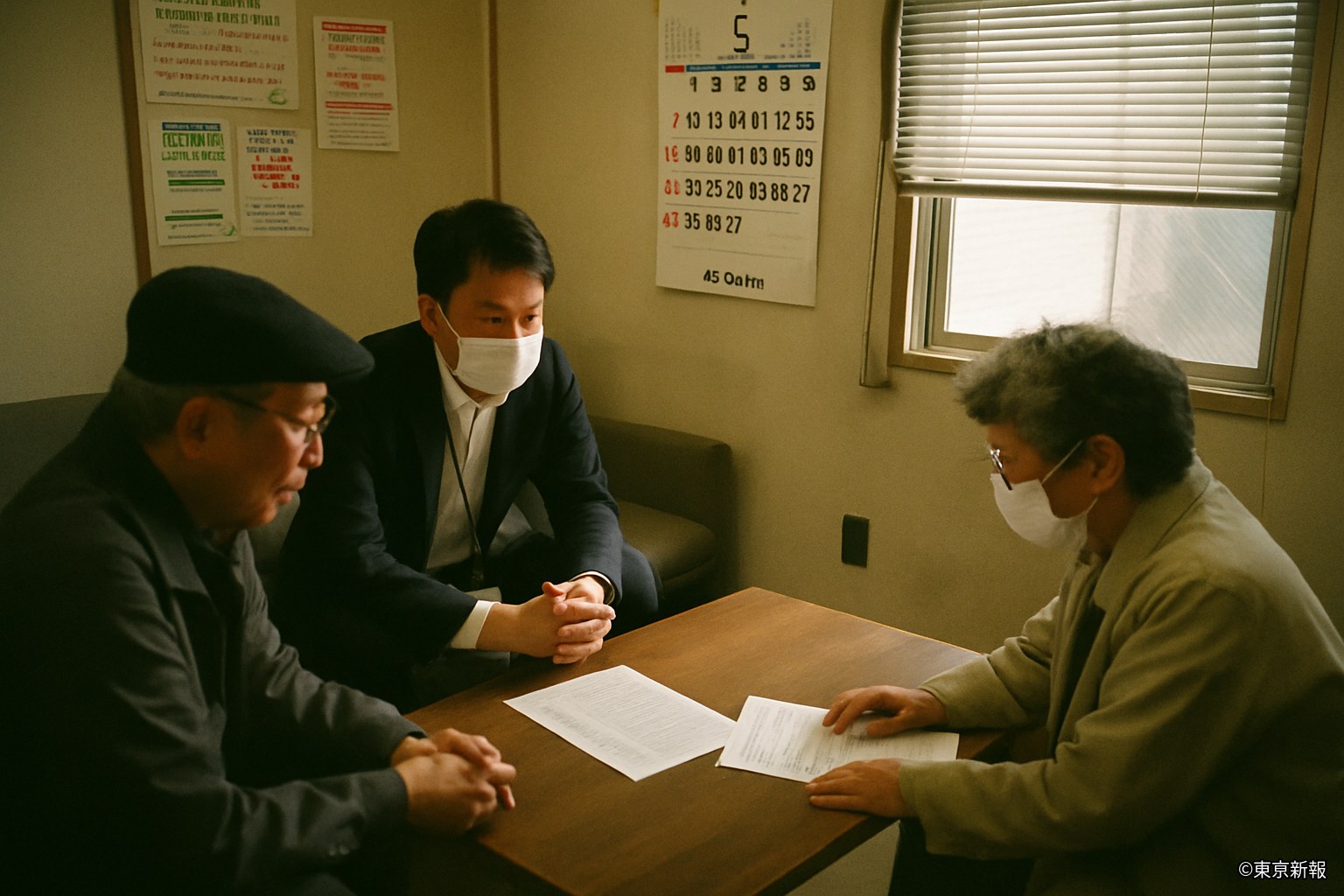
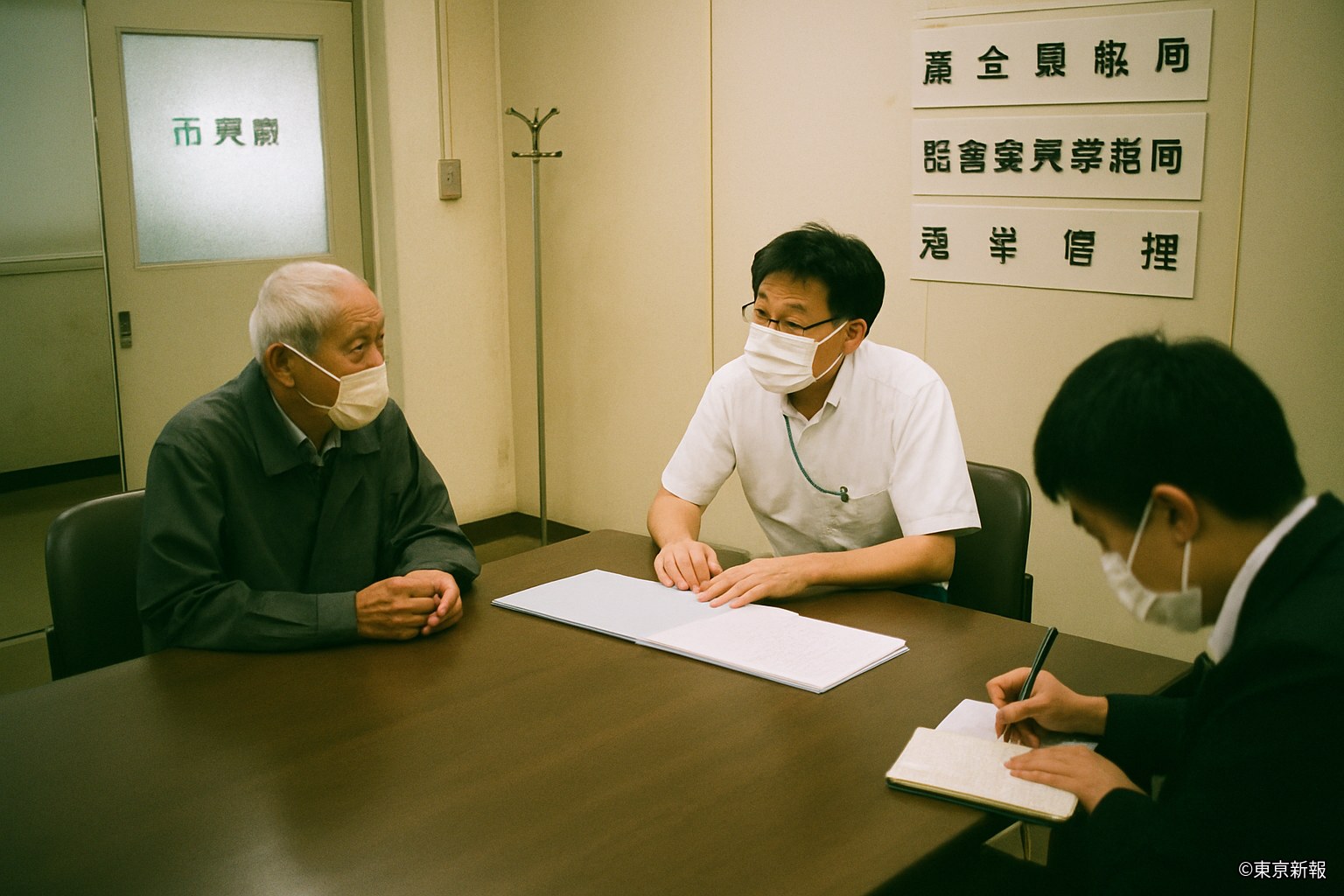
City Formally Recognizes Second-Generation Witnesses for the Shore Crossing Rite Ahead of Spring's Joint Ceremony
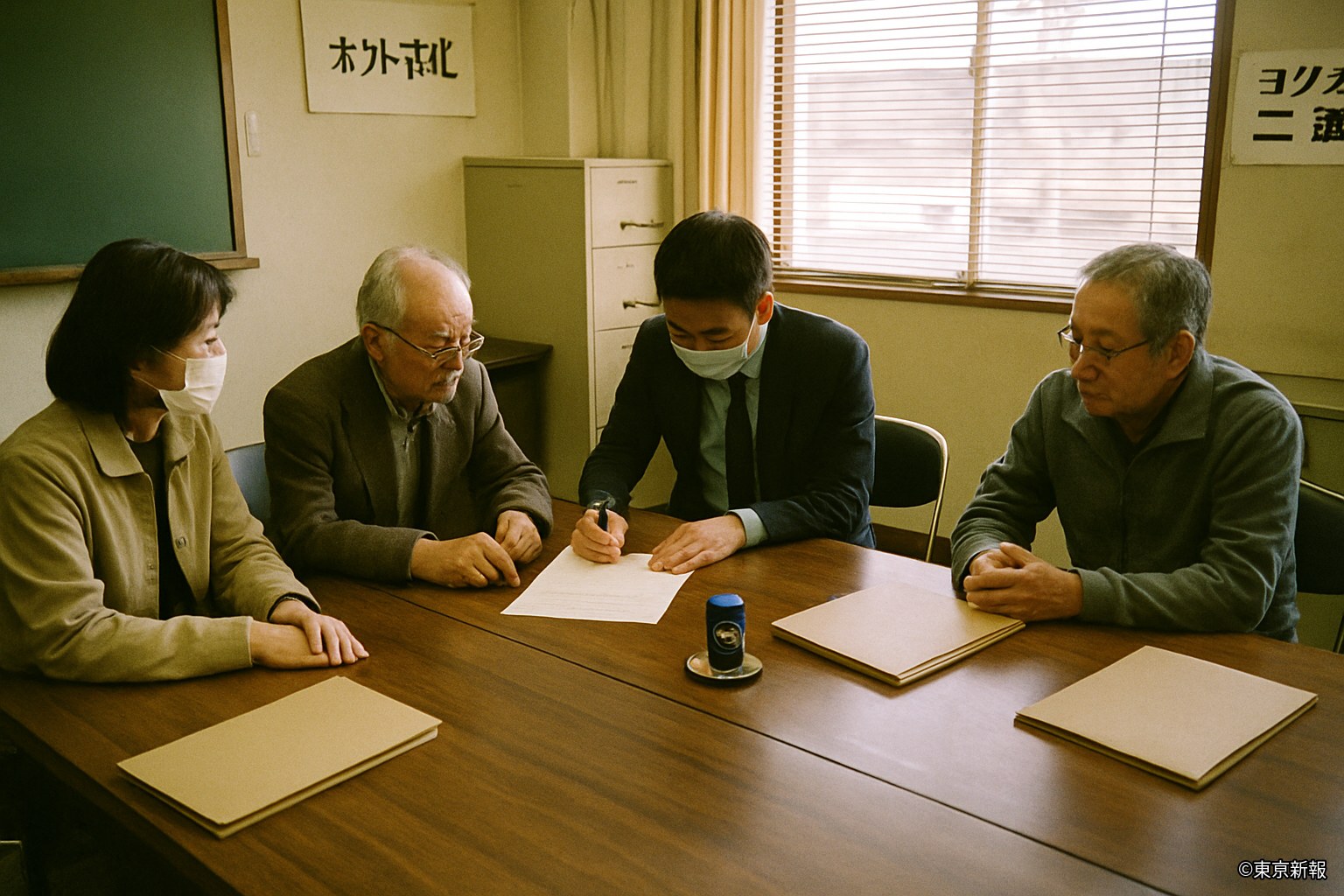
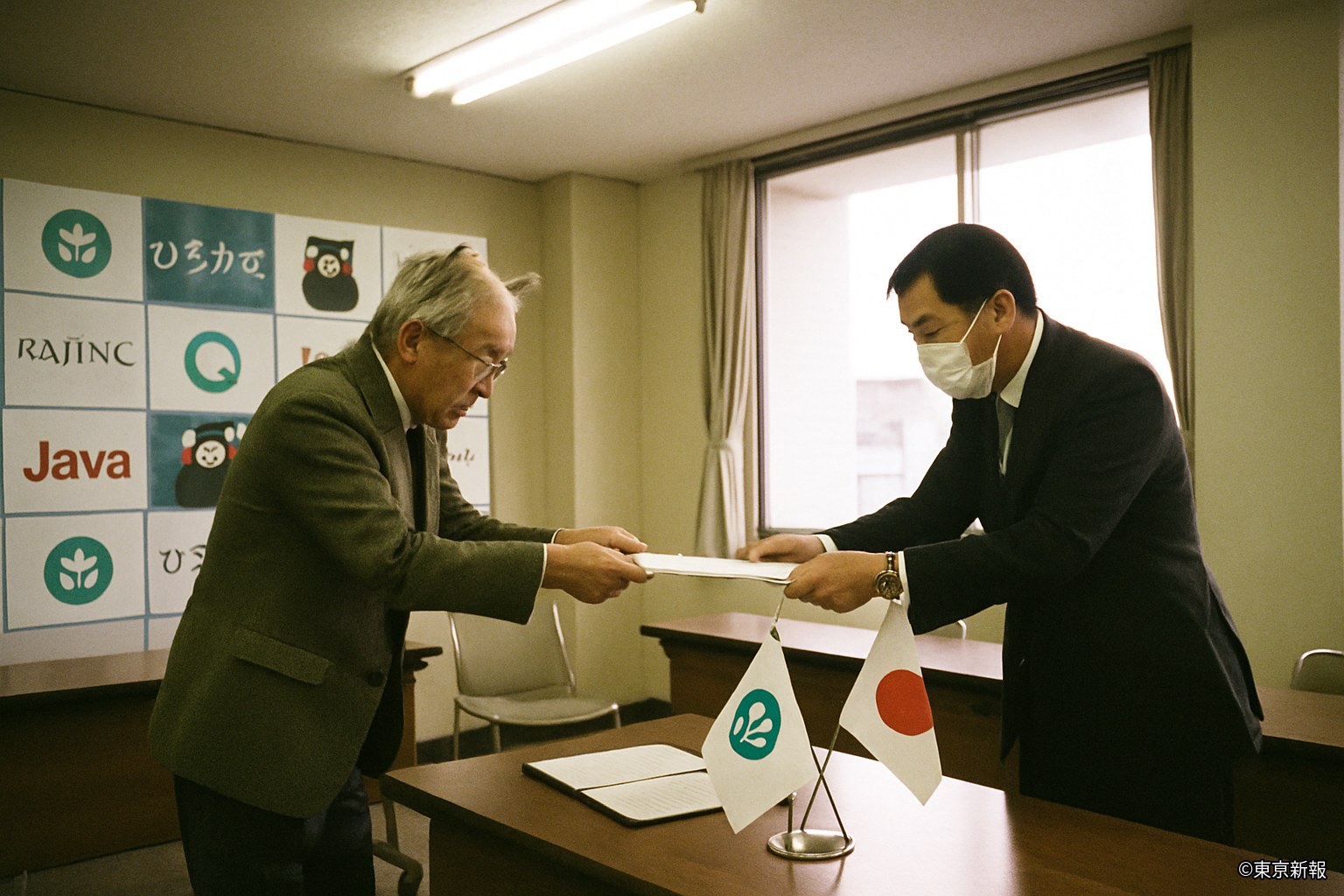
The city of Tokei and the federation of Drift-descended rite associations announced on the 28th that they have formally agreed to list second-generation witnesses as a recognized option, rather than mere stand-ins, in the registry for the Shore Crossing coming-of-age rite. The agreement builds on coordination previously reported on Sept. 9 and settles the outline of implementation rules ahead of next spring's trial joint ceremony. Responding to the aging of first-generation witnesses, Mayor Motoko Ukai said, 'For someone whose catchphrase is "let's look at the numbers before we get excited," this is an unusual case of moving before the numbers forced our hand.'
The Shore Crossing rite, the coming-of-age ceremony for citizens of Drift descent, has traditionally required a first-generation witness. But of roughly 480 first-generation settlers citywide, only a hundred-odd, as previously reported, remain physically able to serve as witnesses. The city and the federation of rite associations have been coordinating since Sept. 9 toward formally listing second-generation witnesses in the registry, and reached a formal agreement on the 28th. Until now, second-generation witnessing was treated only as a "stand-in," permitted solely when a first-generation witness was unavailable due to health; going forward, it becomes a formally recognized option alongside first-generation witnessing.
According to the outline released, becoming a second-generation witness requires (1) completing a certification course run by the federation, and (2) a recommendation from at least one first-generation witness. The first certification course is planned for October, with a capacity of 30. A city section chief explained, "We can't hand down a first generation's lived experience as-is, but the form and mindset of the rite can be taught through the course." Witnessing by third-generation members and beyond "isn't at the discussion stage yet," the official said, and is not included in this round of rules.
At a press conference, Mayor Ukai said, "The trial of the joint coming-of-age ceremony was itself a step toward a more realistic approach. Given that the aging of our witnesses is a number we can't argue away, it made sense to bring the system in line with reality rather than the other way around." As previously reported, the joint ceremony's spring trial is already set, and this Shore Crossing implementation outline becomes a key part of it.
A representative of the rite federation said, "There's a strong voice within the federation that nothing can replace a first generation's experience. That's exactly why, alongside formalizing this, we designed the operation so it doesn't reduce what we ask of first-generation witnesses more than necessary." As touched on in the previously reported "People of the Shore" series, opinions remain divided even among first-generation witnesses themselves.
A first-generation man who has served as a Shore Crossing witness for nearly forty years told this paper, "I already knew the reality that I might not be able to stand as witness to the very end. It's a complicated feeling, but I'm also relieved that there's now a formal path for the second generation to carry it on." The federation said it also plans to hold a roundtable discussion for those who complete the certification course.
According to the city section chief, the certification course will center on first-generation witnesses directly teaching second-generation trainees the rite's physical forms — how the sleeves are handled, the stride used to cross the sand, the words spoken while witnessing — keeping classroom instruction to a minimum in favor of hands-on practice. "The parts that can't be fully explained in words are exactly what this course is meant to convey," the section chief said. Certified second-generation witnesses will receive a certificate issued by the rite federation, but unlike first-generation witnesses' lifetime registry entry, previously reported, it was also decided that their certification will require renewal every five years.
Fees and the specific schedule for the course will be announced separately ahead of the first session in October. The city said it would "keep the course fee close to actual cost so that no one gives up taking it for financial reasons," adding that the exact amount is still being worked out.