Nine-Day Fog: Early Analysis Finds a 'Voice-Like Sound' for One of the Missing — Whose Voice Remains Unconfirmed
The TDA reported findings from the previously announced early analysis of a single reel, part of the Bay Ninefold Fog observation re-analysis project, to the Nine-Day Fog family association at its regular monthly roll call on the 9th. Within audio data recorded during the first few hours of the lockdown, the analysis team identified one short cluster of sound judged to resemble a human voice — but nothing indicates whose voice it might be, and there is no scientific basis for calling it a voice at all. Twenty-three years on, the effort to find a lead on the fate of the 12 missing remains, once again, unresolved.
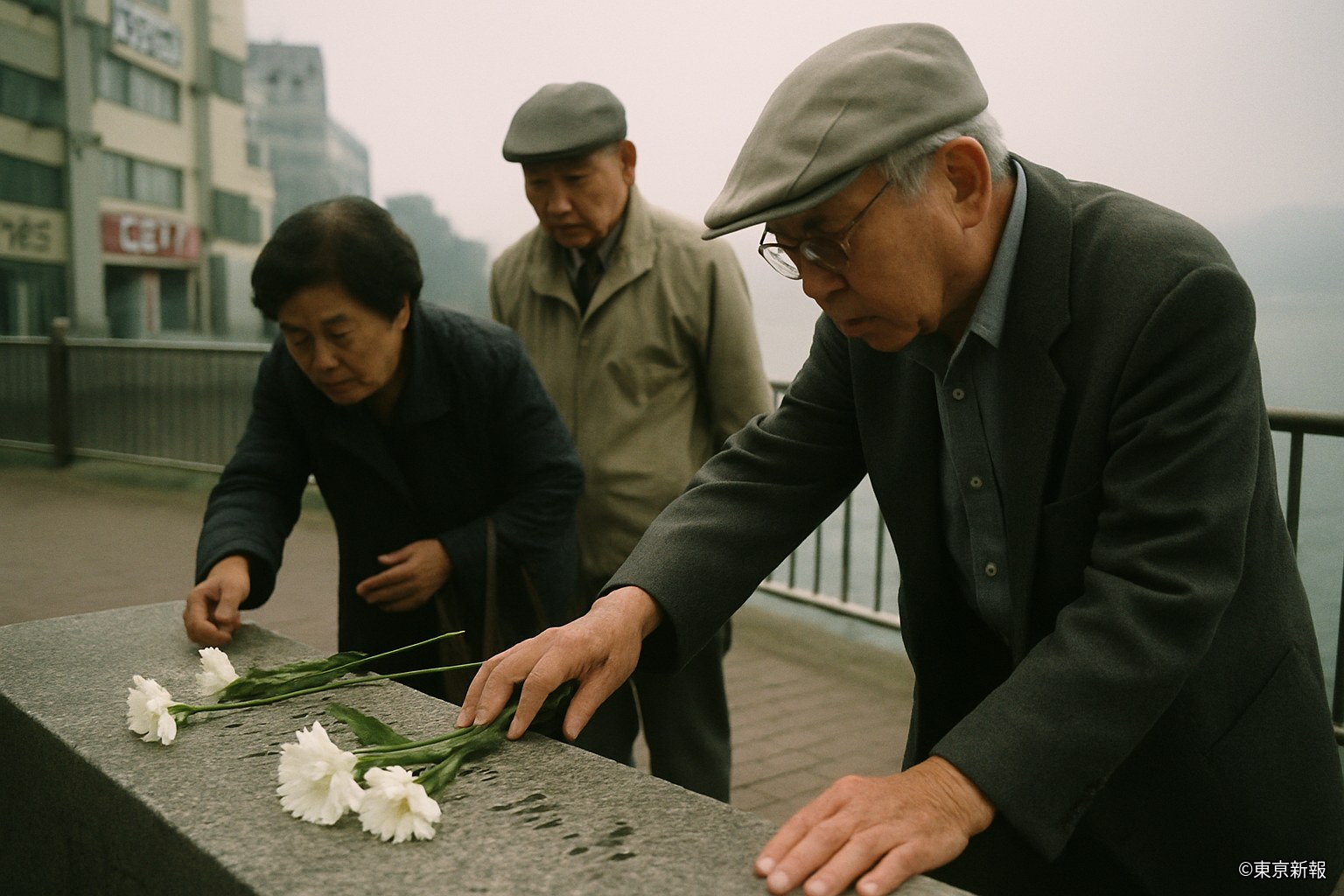
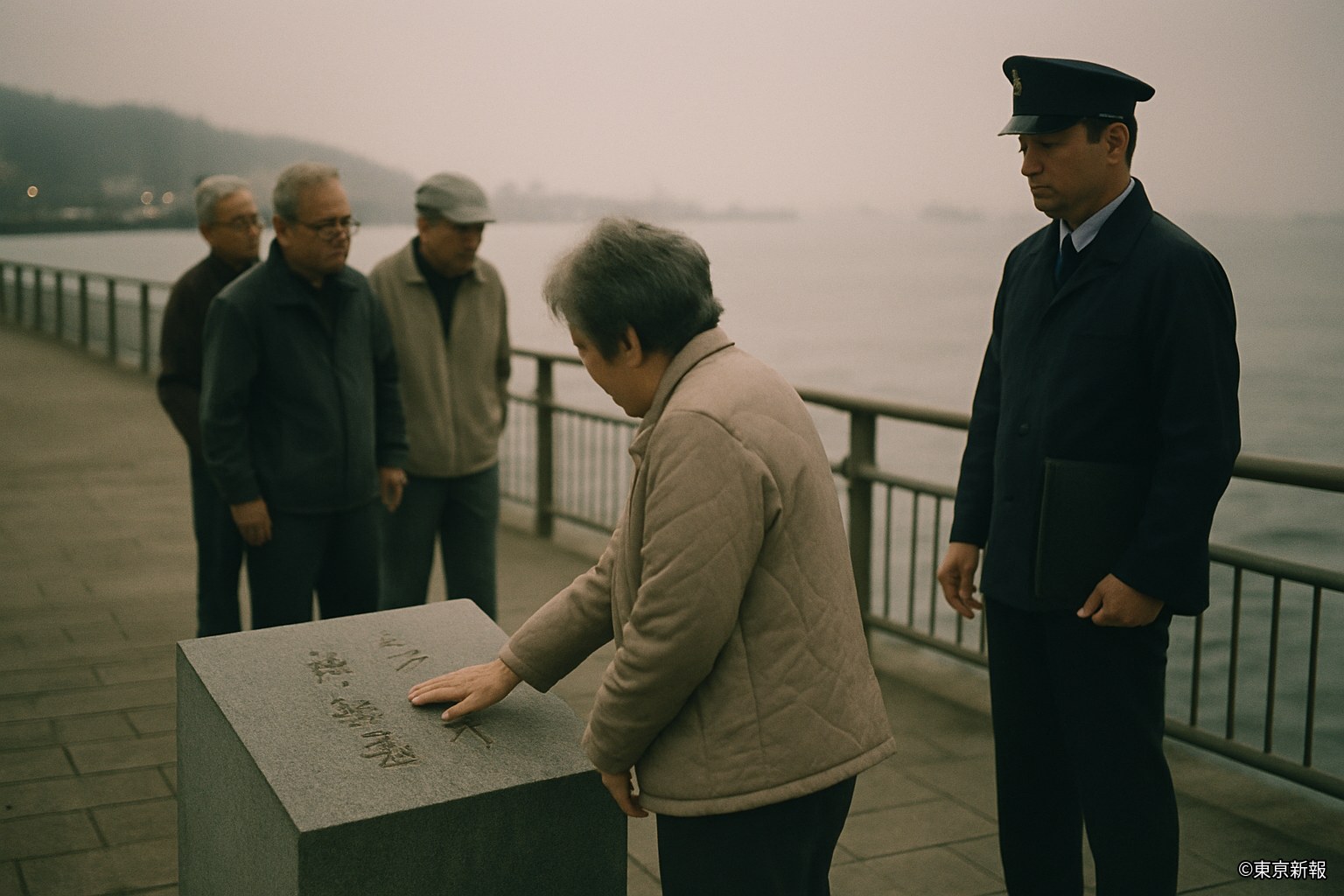
At the stone memorial along the bay promenade, the Nine-Day Fog family association's monthly "roll call" continued as it has for years, on the morning of the 9th. A dozen or so relatives gathered as usual and read out names before the memorial, inscribed with the words "The fog has lifted. We are still waiting." This time, though, one unusual group joined the line: an analysis team from the TDA and Wanyo University.
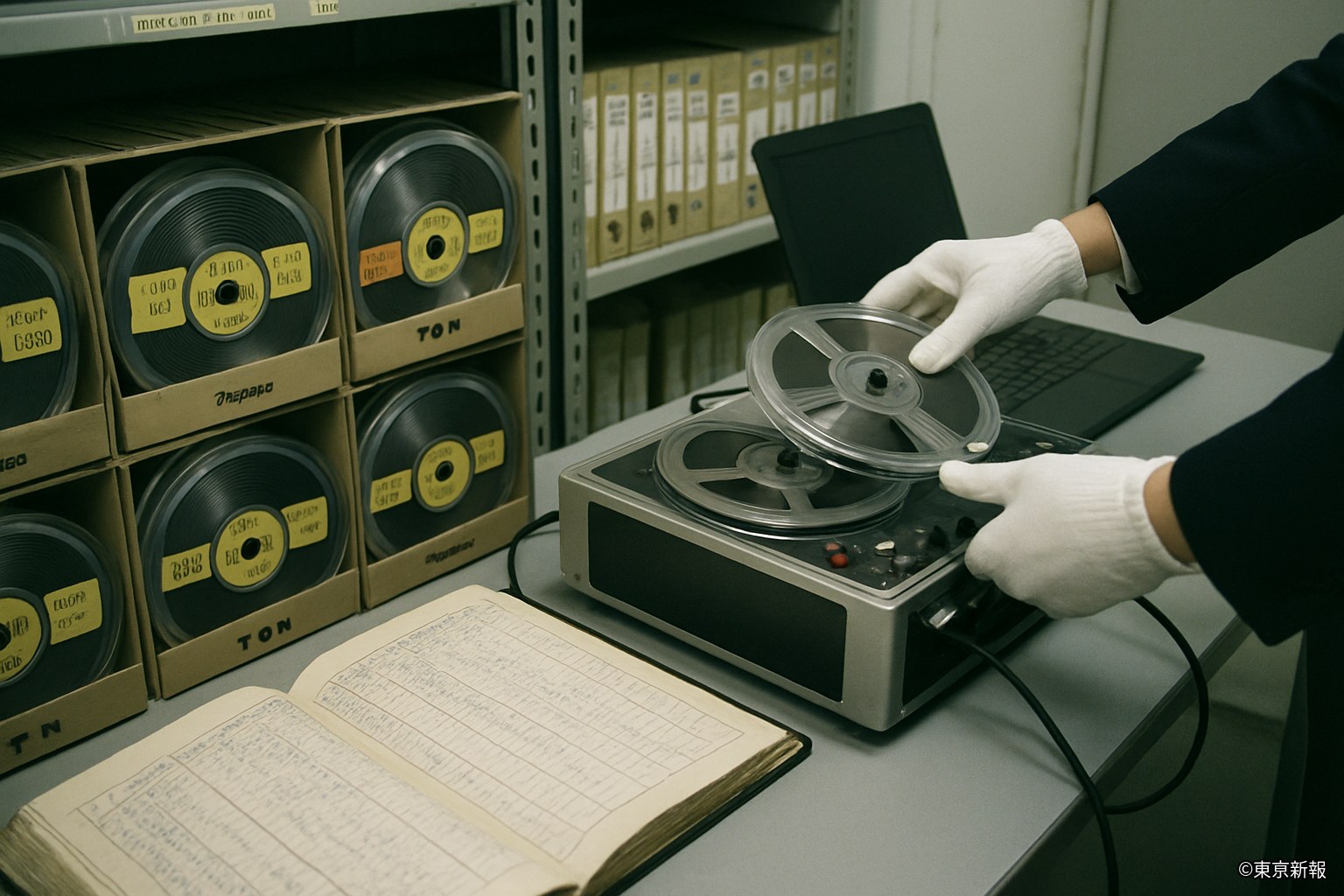
As previously reported, the TDA announced on September 24 that it would bring forward the analysis of a single reel — covering the first few hours after the 2003 lockdown began — from the roughly 310 magnetic tapes tied to the Bay Ninefold Fog, and would report the findings to the family association at the October 9 roll call. The agency had said it would disclose nothing concrete before that date, and this paper covered the roll call on the 9th.
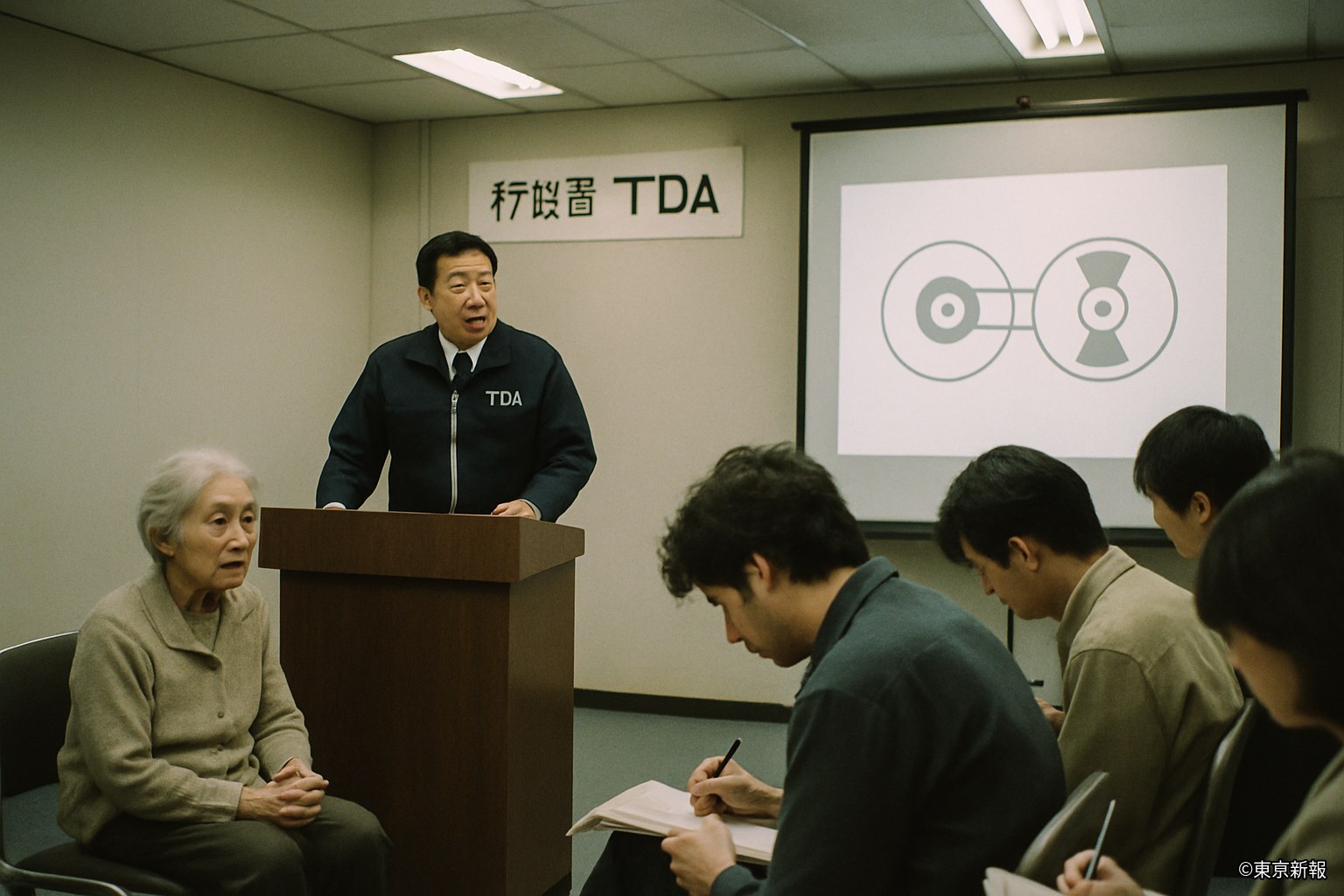
Following the roll call, a closed briefing was held at a nearby community hall, after which a TDA official spoke to this paper. According to the official, the early analysis turned up one short cluster of sound within the single reel, distinct in waveform character from the surrounding recording. It lasts less than a second. The analysis team assessed it as "resembling a human voice," though no discernible words could be made out, and there is nothing to indicate whose voice, among the 12 missing, it might be.
"We went back and forth, ourselves, over the phrase 'voice-like sound,'" the official said. "There's no scientific basis for calling it a voice outright. We can't rule out the possibility that it came from equipment vibration, or wind, or tide sounds overlapping at the time." Akiko Urato of Wanyo University, part of the analysis team, added, "I've said before that being able to read something and understanding it are two different things. What we were able to read this time is only that there was one short cluster of sound, less than a second long."
As far as this paper could confirm, the family association's reaction to the report was a quiet one. Kazuko Sakota, 70, whose husband — a 47-year-old warehouse worker at the time — has been missing for 23 years, spoke after the briefing. "They explained carefully, again today, that they don't know. Even so, having heard that sound, I think it was a voice. Even if we don't know whose, let us be allowed, today, to think there was a voice there."
Another relative — a man in his sixties who asked not to be named, related to one of the TDA observers who went missing — said, "I understand it can't be confirmed scientifically. Even so, there was meaning in being able to hear it, here, today." As previously reported in Sakota's own words — "procedure and waiting are kept on separate shelves" — the association as a whole did not appear greatly moved by the report, and the roll call closed, as always, with a brief remark.
At the briefing, the TDA repeated that this "is not an announcement meant to raise expectations," and stressed that the result does not mean anything has been resolved. The remaining 309 reels will continue to be analyzed on the existing two-year schedule with Wanyo University, with an interim report still due next summer. The timing and scope of any wider public release of today's finding will be decided later.
As previously reported, the 12 who went missing were five warehouse workers, three anglers, two residents, and two TDA observers. The only belongings ever found were two pairs of shoes left neatly at the quayside, and families remain split between those who chose the "permeation disappearance" provision and those who did not. The cause of the event itself remains unexplained, and this paper will continue to follow up only when there is a genuine development.