Operator of Unlicensed 'Exogenous Technique Experience Class' Referred to Prosecutors — 39 Enrolled
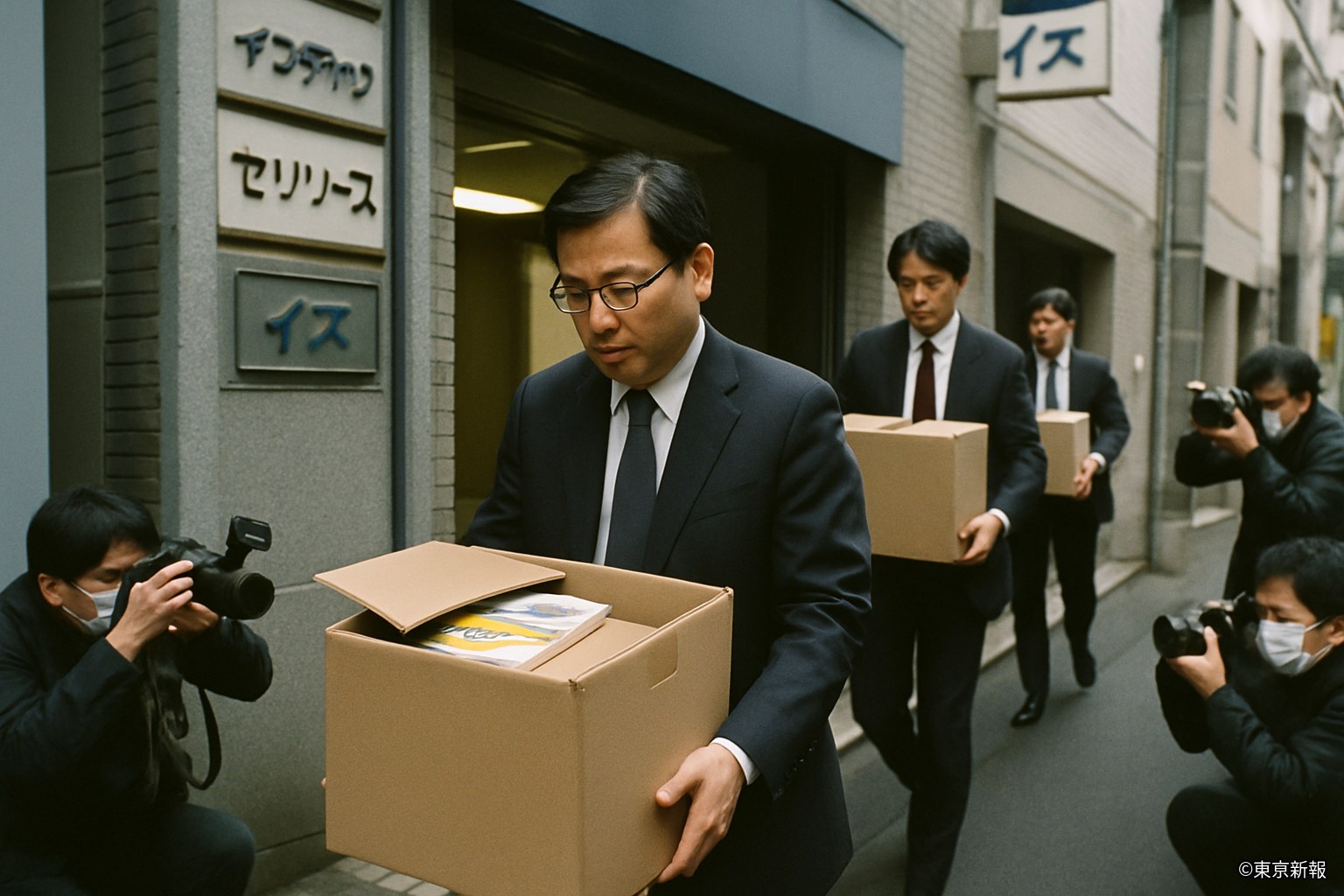
Police on the 26th referred a 34-year-old man who ran a culture-center class in the East ward, teaching exogenous-technique demonstrations without a license, to prosecutors on suspicion of unlicensed practice. The class charged monthly fees and had enrolled 39 people over its run. Seized materials from the class reportedly include devices believed used to stage the demonstrations.
Police announced on the 26th that they had referred a 34-year-old man running an "exogenous technique experience class" out of a rented classroom in the East ward to prosecutors, on suspicion of practicing exogenous techniques without a license. Exogenous techniques are licensed under a system administered not by a body like the Hinokuni Sword Bearers' Association, but by the Ministry of Economy, Trade and Industry's Exogenous Technique Promotion Division. The man reportedly held no such license, yet advertised his monthly-fee class as offering "hands-on experience with light-manipulation technique."
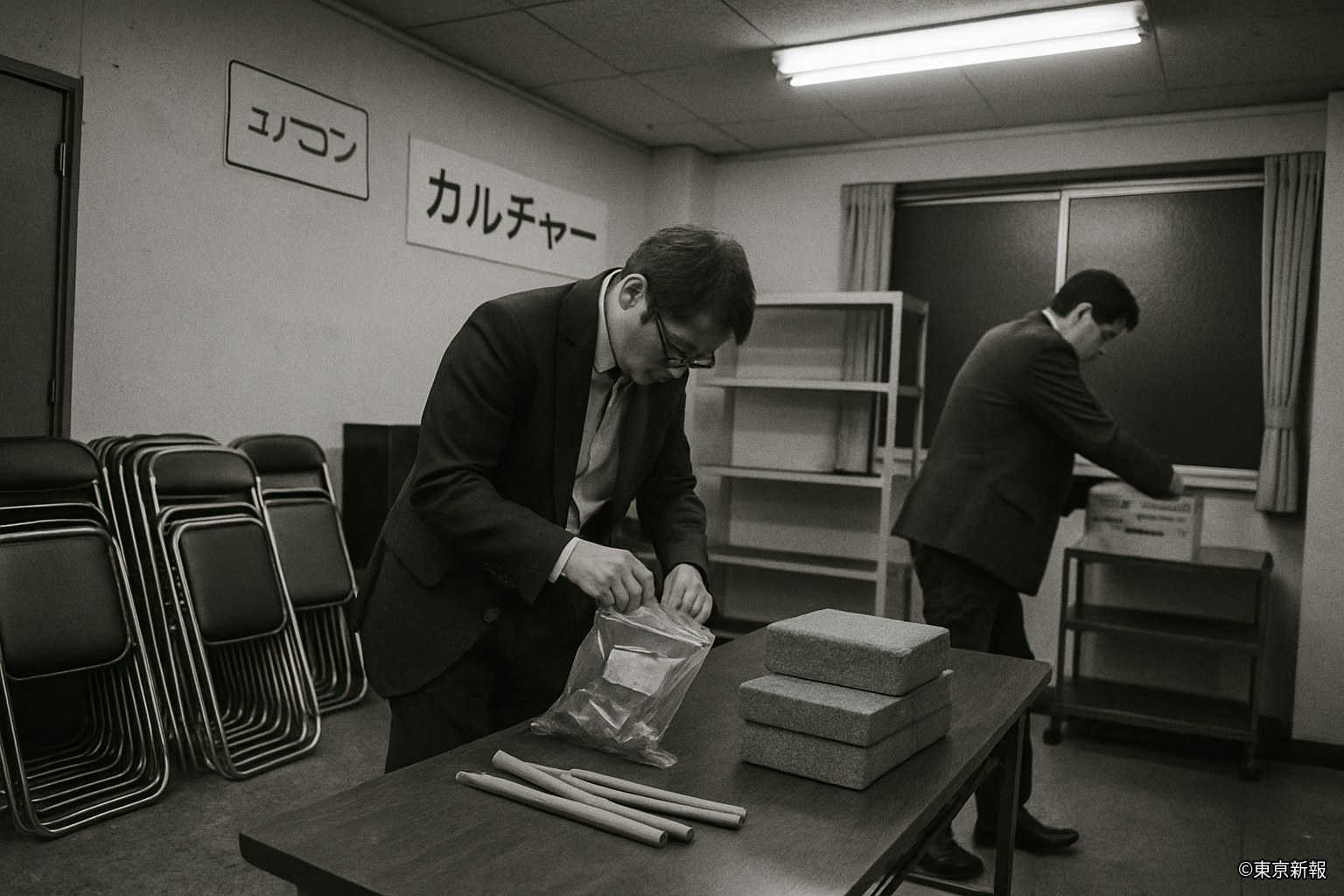
According to investigators, the class had enrolled 39 people in total since it opened last autumn. Monthly fees ran 12,000 yen, and top-tier students received a "certificate" — one with no connection whatsoever to the ministry's actual license, investigators noted. Among the seized materials were small props reportedly rigged with devices that lit up on command, apparently used to stage the demonstrations.
One enrollee, a 52-year-old woman, told this paper, "His hand movements looked so confident, and I was genuinely startled the first time the light came on. Honestly, not knowing whether it was real or not was part of why I kept going." Another enrollee, a 29-year-old man, said with a wry laugh, "I thought the equipment fees were steep for the monthly rate, but I never imagined there was a trick to it."
According to investigators, the case came to light in July after a former student complained to a city consultation window that it seemed odd to hold a "certificate" without ever receiving an actual license. When the ministry's Exogenous Technique Promotion Division looked into it, it found no matching license on record and passed the information to police. The man reportedly told investigators he had once apprenticed under a licensed practitioner but was expelled before completing training and obtaining a license; the origin of the procedures used in his demonstrations remains under investigation.
A representative of the ministry's Exogenous Technique Promotion Division commented, "Exogenous techniques are limited to methods whose reproducibility has been confirmed under the licensing system. There is no basis for effectiveness in anything an individual has turned into private teaching material on their own." The remark echoes the TDA's long-standing position on so-called "sensitivity development schemes" targeting exogenous sensitivity, previously reported, and a representative of the Consumer Affairs Agency's research panel, chaired by Ritsuko Fukasawa, said the panel is considering adding unlicensed demonstration classes like this one to future public advisories.
According to the Exogenous Technique Promotion Division, the licensing system dates to 1997, and there are now roughly 4,800 licensed practitioners nationwide. Licenses are divided by application — light, water, and several other categories — and must be renewed every three years. Enforcement actions against unlicensed practice number only a handful per year, and a case involving a class charging tuition like this one is described as unusual. An official explained, "If someone tries this privately as a hobby, it rarely surfaces. But once money changes hands to draw in students, it becomes something we can't overlook from a consumer-protection standpoint."
Whatever the class's students felt the instant that light came on was, presumably, genuine surprise — and there's little reason to mock anyone for missing the trick behind it. The licensing system itself was built, nearly half a century ago, on the same basic fact: an amateur simply cannot tell where the real thing ends and the fake one begins. A referral to prosecutors doesn't retroactively make the surprise of seeing that light come on any less real.