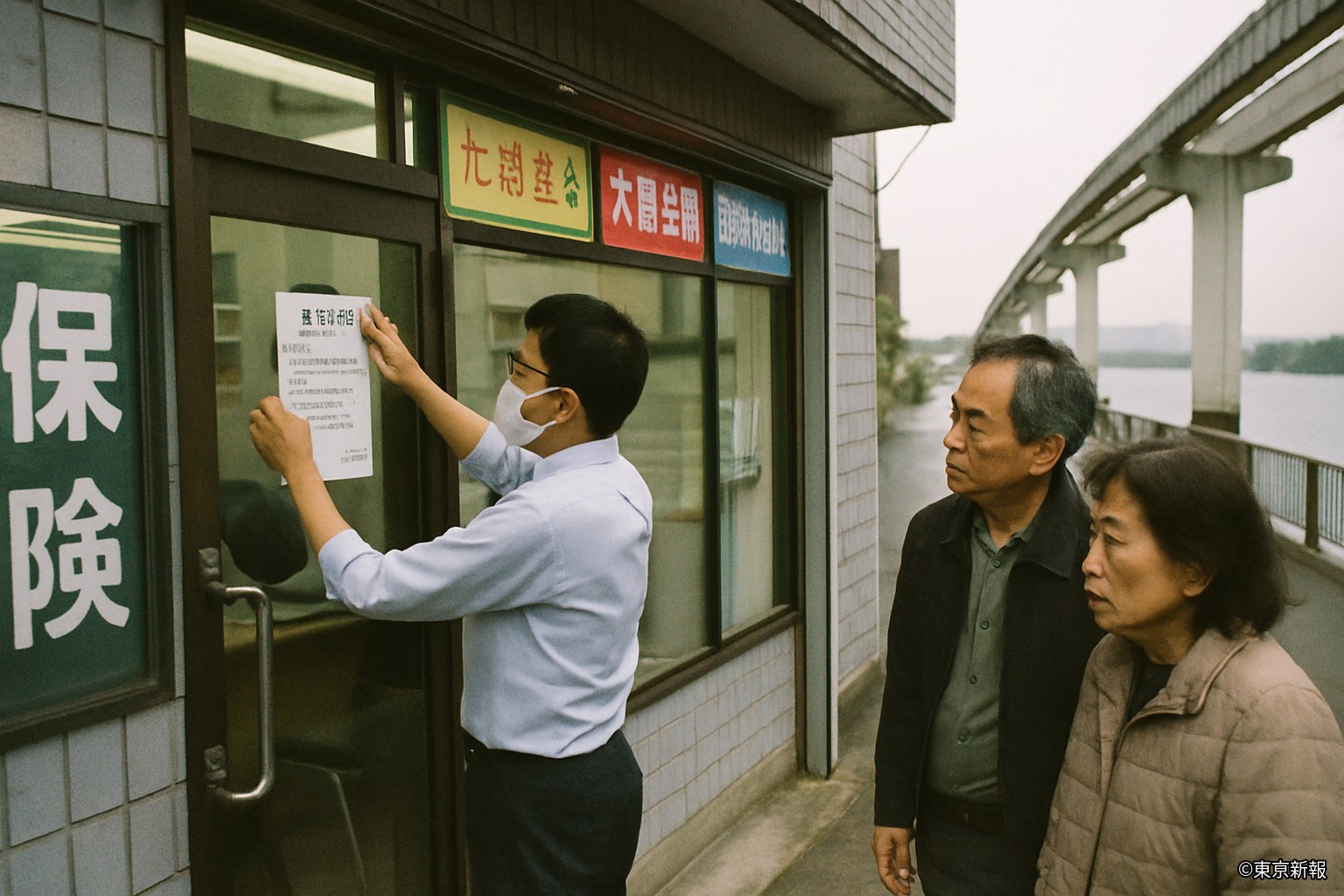
Insurers Including Sonaeya to Hold Household Premiums Steady Next Year, Absorbing Reinsurance Hike for Now
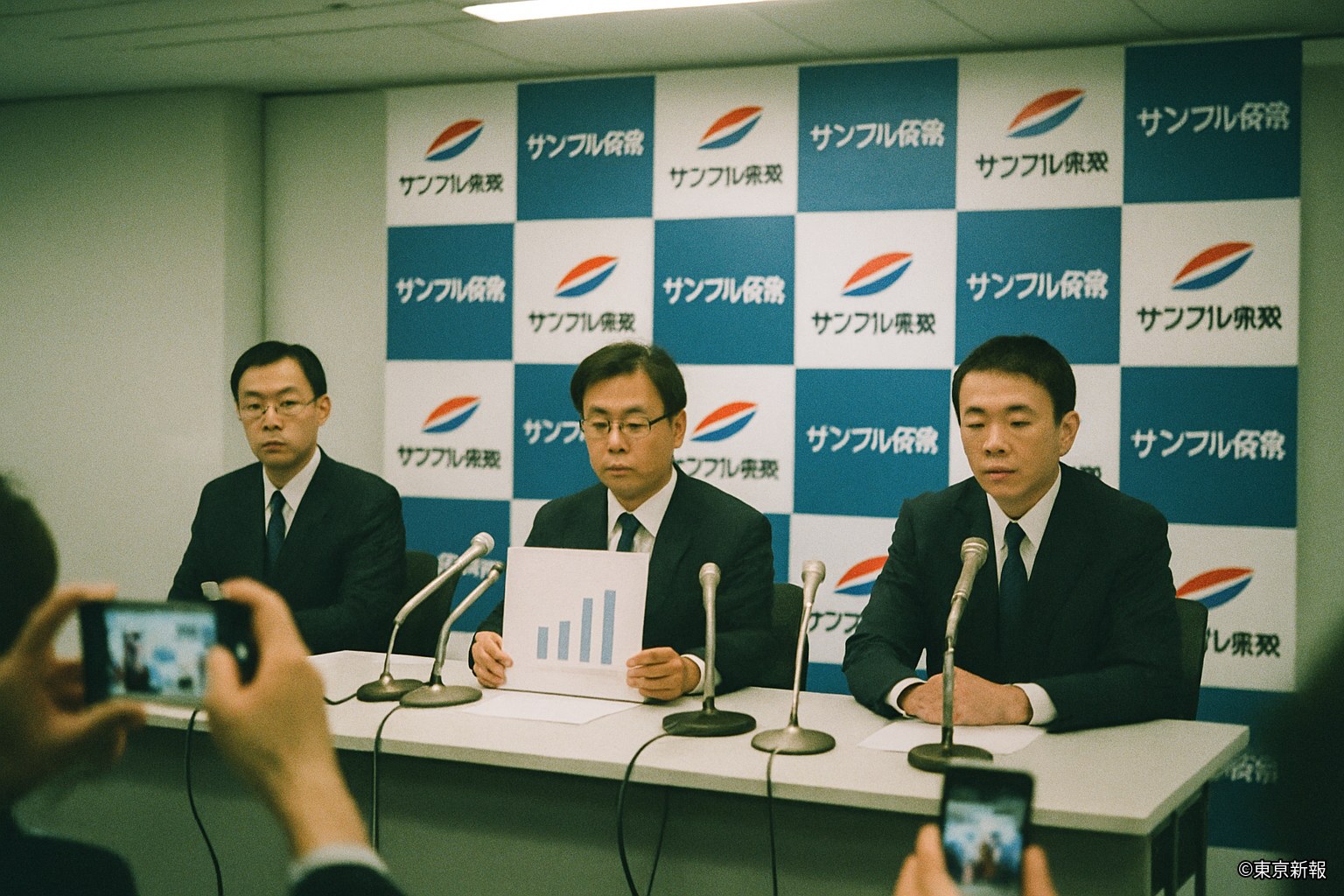
Three major insurers offering forecast-linked disaster coverage, including Sonaeya Casualty Insurance, announced on the 5th that they would hold household permeation-index premiums at this year's level for the coming fiscal year. The decision follows the previously reported average 12 percent international reinsurance rate hike announced by the Britan Reinsurance Union (BRU), effective next fiscal year; the insurers say they will absorb the difference from their own reserves for now, but will reconsider if the hike continues for two years or more.
Sonaeya says what made the freeze possible was a reserve built up over the past several years, as premium income during concentrated high-tide observation periods proved steadier than expected. "This is a decision to act before things break down, rather than reacting after they do," a representative said. "Our reserves aren't limitless, but we've secured enough to absorb one year's worth of the increase." The other two insurers are believed to have drawn on similar income, including from the previously reported anniversary-week surcharge, to fund this year's decision.
As previously reported, Britan's major reinsurance body, the BRU, announced this month that it would raise international reinsurance rates for window-rig and stable-window facilities by an average of 12 percent starting next fiscal year. Whether this increase would spill over into household permeation-index premiums had been closely watched. On the 5th, three major insurers including Sonaeya Casualty Insurance announced they would hold next fiscal year's household rates at this year's level. A Sonaeya representative explained, "The international reinsurance rate and the household index-linked rate are calculated separately, though some of the same funding underlies both. This time, we decided to absorb the difference from our own reserves to spare policyholders any impact."
The three insurers made clear the freeze is not unconditional. If the BRU's hike proves to be a one-year matter, it falls within what they can absorb; but if a comparable increase continues into the following fiscal year and beyond, they say they will "begin reconsidering." A Financial Services Agency official said, "We welcome the decision to hold rates steady, but depending on how the reinsurance market moves, this could strain insurers' financial footing. We will continue to push for stronger underlying resilience over the medium to long term" — a measured response rather than unqualified praise.
Among bay-area policyholders, memory is still fresh of the previously reported "anniversary-week surcharge," when daily rates rose to 1.5 to 1.8 times normal during September's concentrated high-tide observation period. "Back then it felt like we were simply told the forecast and the rate were two different things," said a bay-area shop owner. "Hearing that it won't go up this time has changed my view a little. I'd still like clearer explanations going forward." The city's consumer life center says that, since the announcement, the calls it has received have leaned toward relief rather than complaint.
The freeze applies only to household permeation-index premiums. Facility insurance covering window-rigs and stable-window installations themselves is expected to rise next fiscal year largely in line with the BRU's previously reported hike. A Sonaeya representative said, "We can't treat household and facility coverage the same way. A rise in facility premiums could eventually feed through to the TDA's budget or to the operating costs of individual facilities, and that needs to be watched as a separate matter," stressing that today's freeze does not amount to a freeze on premiums across the board.
Smaller casualty insurers, by contrast, have yet to announce a policy for next fiscal year's rates. An industry source said, "Reserve depth differs from company to company, so it's not guaranteed everyone will make the same call," adding that smaller insurers' plans are expected to firm up within the month. Sonaeya commented, "We think it's important for the industry as a whole not to deepen policyholders' anxiety."