There Was a Secret Annex to the Window Treaty — On the Morning of Departure, the Ministry Reverses Itself
The one page they kept insisting didn't exist — this morning, it did. The Foreign Ministry reversed its repeated denials on the morning of the 2nd and, for the first time, acknowledged the existence of the Window Treaty's non-public annex itself. The previously reported delegation, led by Councilor Yuichi Amamiya, 55, departed from Haneda Air Route as scheduled, and sovereignty-camp lawmaker Tetsuo Munakata, 58, moved immediately to press the point in the Diet the same day. The Observation Data Disclosure Bill also received its policy outline in the same plenary session, making this a day when 'disclosure' moved at home and abroad at once.
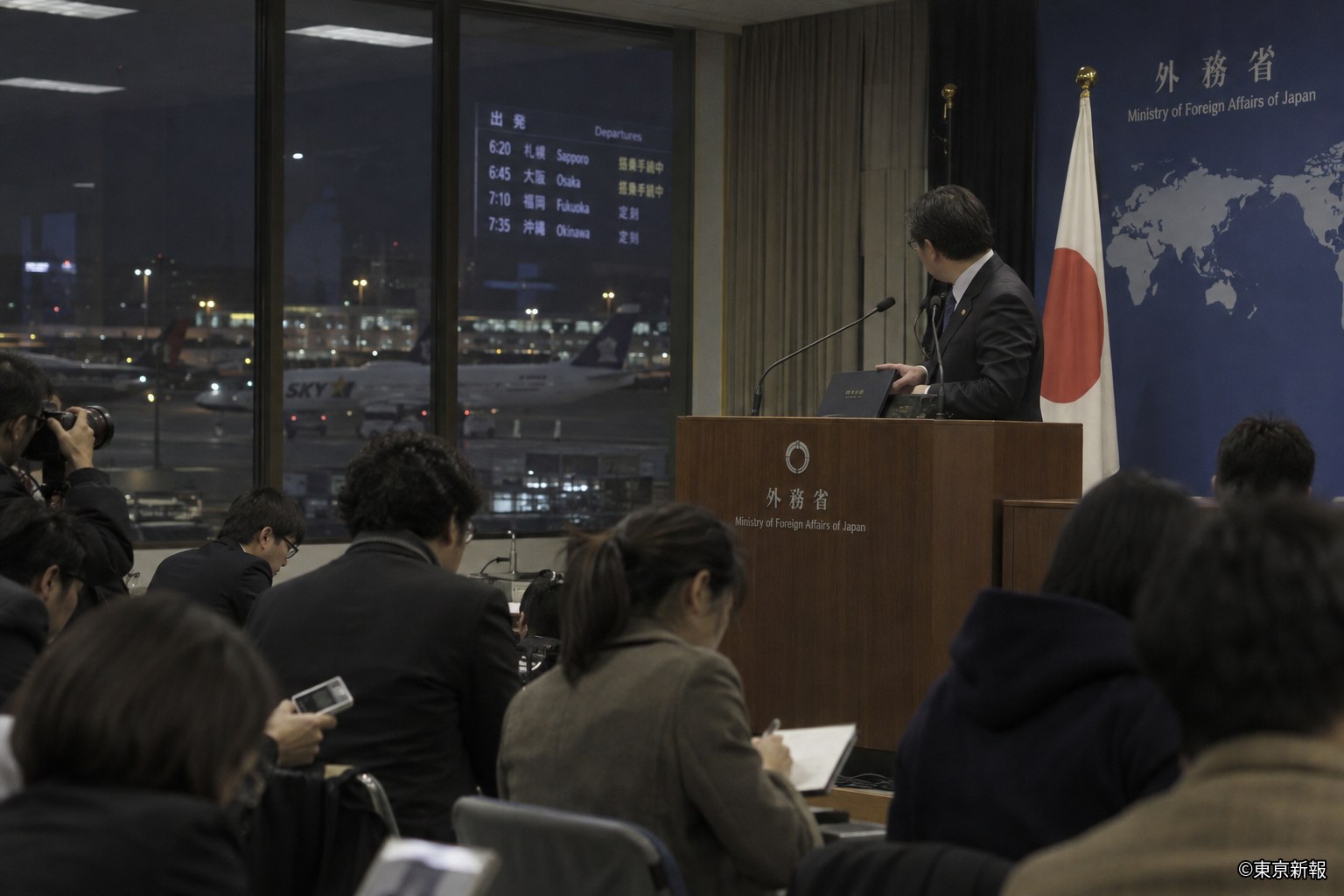
The Foreign Ministry spokesperson, at an early-morning regular briefing on the 2nd, reversed the ministry's previous explanations of the "non-public annex concerning priority supply to allied nations" and stated for the first time that "a document of that nature does exist." The same ministry that had, since the 11th of October, repeatedly told this paper and the Diet alike that "no such document exists" changed its position after a little over three weeks. The spokesperson said, "We judged it necessary to clarify, more precisely, that the earlier explanation of 'nonexistence' referred to the document not being one of a publishable nature, rather than the document itself not existing." Asked by reporters whether this amounted to a substantive retraction, the spokesperson answered only, "This is a refinement of the wording," declining to give a clear answer.
■ Confirming Existence, Not Content
The spokesperson disclosed neither the document's title, the number of its articles, nor when it was drafted, confirming only a single line: "There is a document setting out the technical handling of priority supply to allied nations between Hinokuni and Amelia." Asked about its relationship to the previously reported "memorandum," the spokesperson said, "Whether this refers to the same document, or a separate one that overlaps with it, is not something we are in a position to explain at this time" — neither confirming nor denying Munakata's long-standing claim that "the memorandum and the annex are simply the same thing under two names." Whether the document will ultimately be disclosed or kept confidential will not be decided until after the talks conclude, the ministry said.
■ Three Weeks in the Making
As previously reported, the suspicion first reached this paper on October 11th, sparked by a ruling-party source's remark that "the separate-track matter has, in fact, already taken fairly concrete written form." This paper continued seeking out multiple sources since, but the ministry denied the document's existence every time, both to this paper and in Diet testimony. Even on October 30th, when the departure date was confirmed, Munakata said that "the very fight over full disclosure versus summary disclosure proves the word 'annex' was simply swapped for 'memorandum,'" and the ministry still had not budged on its denial of existence at that point. Asked about the reversal landing on the very morning of departure after three weeks of denial, one Foreign Ministry source who spoke to this paper anonymously said, "The truth is, holding the line on 'it doesn't exist' indefinitely was starting to strain."
■ Councilor Amamiya Departs: "The Substance of the Talks Doesn't Change"
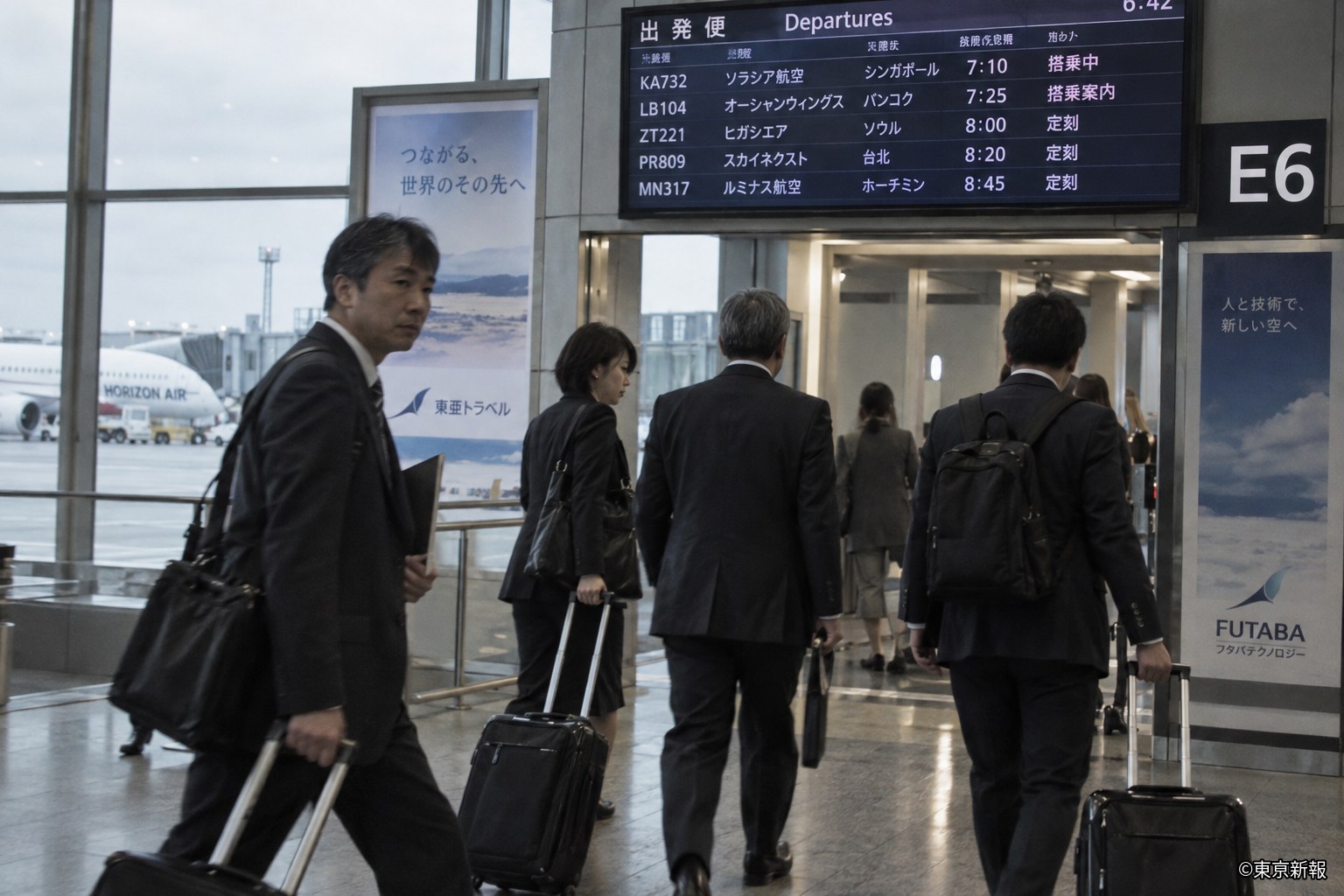
As previously reported on October 30th, the delegation departed Haneda Air Route for Geneva, Helvetia, on the morning of the 2nd as scheduled. Surrounded by reporters in the departure lobby, delegation head Councilor Yuichi Amamiya, 55, said, "I'm aware the ministry's explanation has changed. But the substance of the talks on the ground doesn't change starting today. The point that was always going to remain until the end — full disclosure versus summary disclosure — hasn't changed," before heading briskly to the gate. The Tokei Precision Optics international-business executive accompanying him as technical adviser said only, briefly, "My role remains strictly limited to technical advice."
■ Munakata Presses the Point in the Diet, Immediately
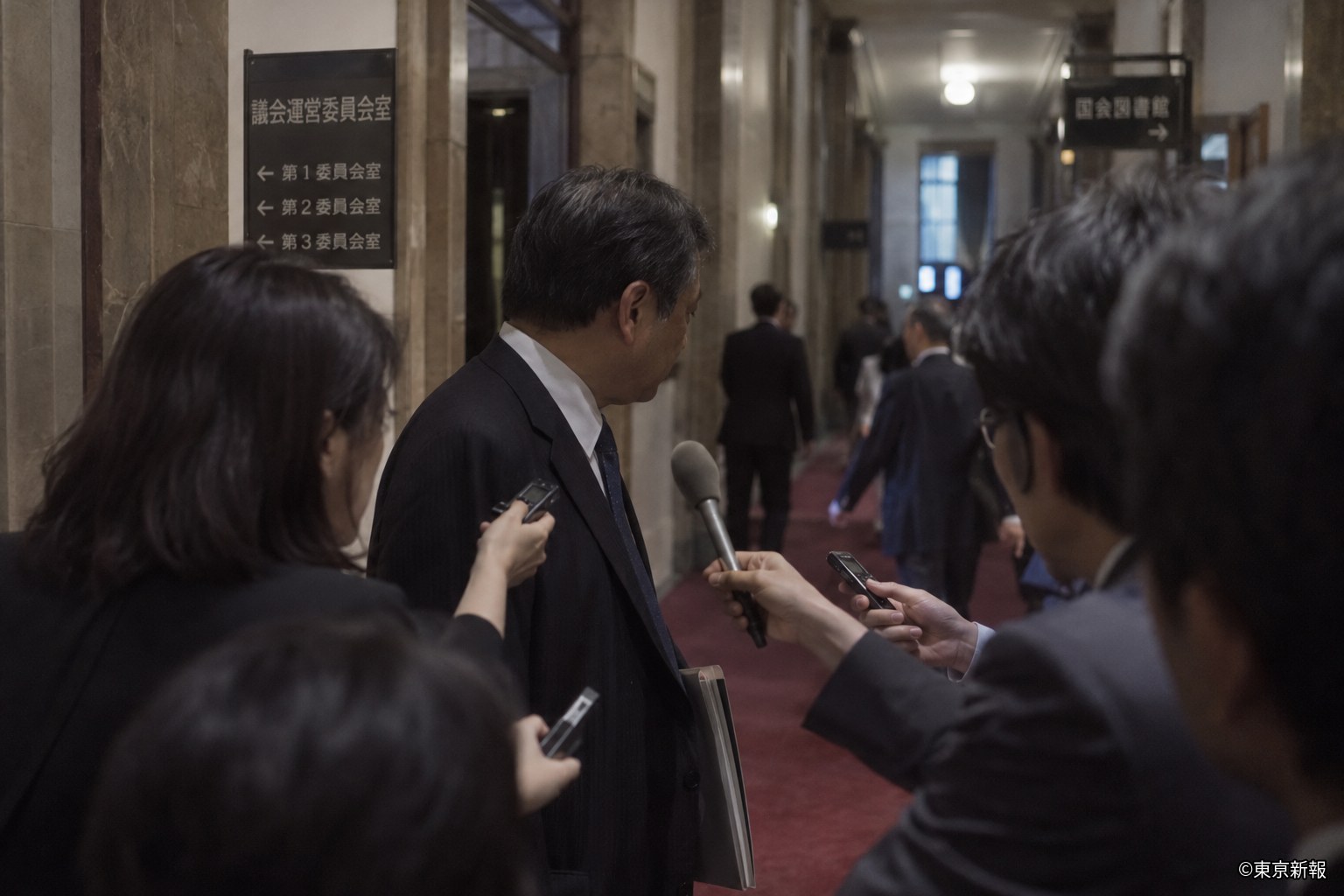
Sovereignty-camp Representative Tetsuo Munakata, 58, previously reported, rose to question the government the moment news of the delegation's departure reached the Diet floor during the plenary session on the 2nd. "Three weeks ago it was 'it doesn't exist.' This morning it was 'it does.' The speed of that reversal is itself proof that something was there from the start," he said, pressing hard for the document's disclosure. The foreign minister repeated only that "this concerns a matter under negotiation, and we will refrain from further explanation at this time," avoiding specifics. Sota Miyake, 44, previously reported convener of the ruling party's "Opening Observation" group, took a more cautious view: "The reversal of the denial should be taken seriously, but rushing full disclosure now risks breaking the negotiation itself."
■ The Disclosure Bill, in the Same Session
As previously reported on October 28th, the Observation Data Disclosure Bill also received its policy outline in the same House of Representatives plenary session on the 2nd. Substantive debate is still expected to begin the week of the 5th, and the outline itself concluded briefly, on the previously reported schedule. One Diet source remarked, "Even if it's coincidence, it was a day that looked a little too on-the-nose — domestic disclosure-bill debate beginning on the very day the treaty's annex turned out to 'exist' after all." The ministry again stated that the two matters are institutionally separate.
■ Reactions Across the Camps
The Nordic Union, the leading voice of the disclosure camp, issued a statement through its embassy saying, "The acknowledgment of a document whose very existence had been denied is significant. We renew our call for its full disclosure." The Genshu embassy, representing the sovereignty camp, commented that "our long-standing concern has been borne out," again offering no concrete evidence. A source close to the Amerian embassy, of the middle camp, said, "This concerns a document on the technical handling of matters between allied nations, and given its nature, our position that full disclosure would not be appropriate remains unchanged."
■ A Voice From the Factory Floor
Shuichi Kazuki, 52, who works the window-rig parts production line at previously reported Tokei Precision Optics, says he watched the morning's televised coverage from the factory break room. "Hearing that the annex exists, and that whether it'll be disclosed is still undecided, honestly gave me a jolt. If full disclosure ends up gutting the priority-supply arrangement with allied nations, the size of our contract itself could change. We've already placed parts orders for the production line set to start next month." Kazuki says some coworkers took out home loans anticipating new hires on the line since the previously reported contract agreement on October 24th, adding, "The substance of the negotiation is Amamiya's business, not ours. On the floor, it's half wanting nothing to change, and half wanting to know everything, right now."
■ Distance From the 1988 Treaty
As previously reported, the 1988 Permeation Treaty left both its ban on military diversion and its data-sharing provisions as mere best-efforts obligations, and the Window Treaty has long been framed as the new treaty meant to fill that gap. One IDBO source said, "It was always expected that rewriting best-efforts language from that era into binding obligations would be a difficult process. Today's acknowledgment of the annex arguably just made that difficulty visible, rather than signaling the negotiation has failed" — suggesting the reversal is less a breakdown than a byproduct of protracted give-and-take.
■ What Comes Next
The delegation is expected to enter roughly a week of talks after arriving. As of the 2nd, the document's name, content, and eventual scope of disclosure all remain unconfirmed. The ministry said it "will explain further as the talks progress, at whatever stage explanation becomes possible," suggesting the full text's handling will not be settled until the talks conclude at the earliest. This paper will continue following Munakata's pursuit of the matter, the first reports from Geneva, and voices from the factory floor like Kazuki's.