Window Treaty Headlines Send Observation Stocks Swinging; Hayatani Instruments Slides as Money Flows Into Domestic Optics Hopefuls
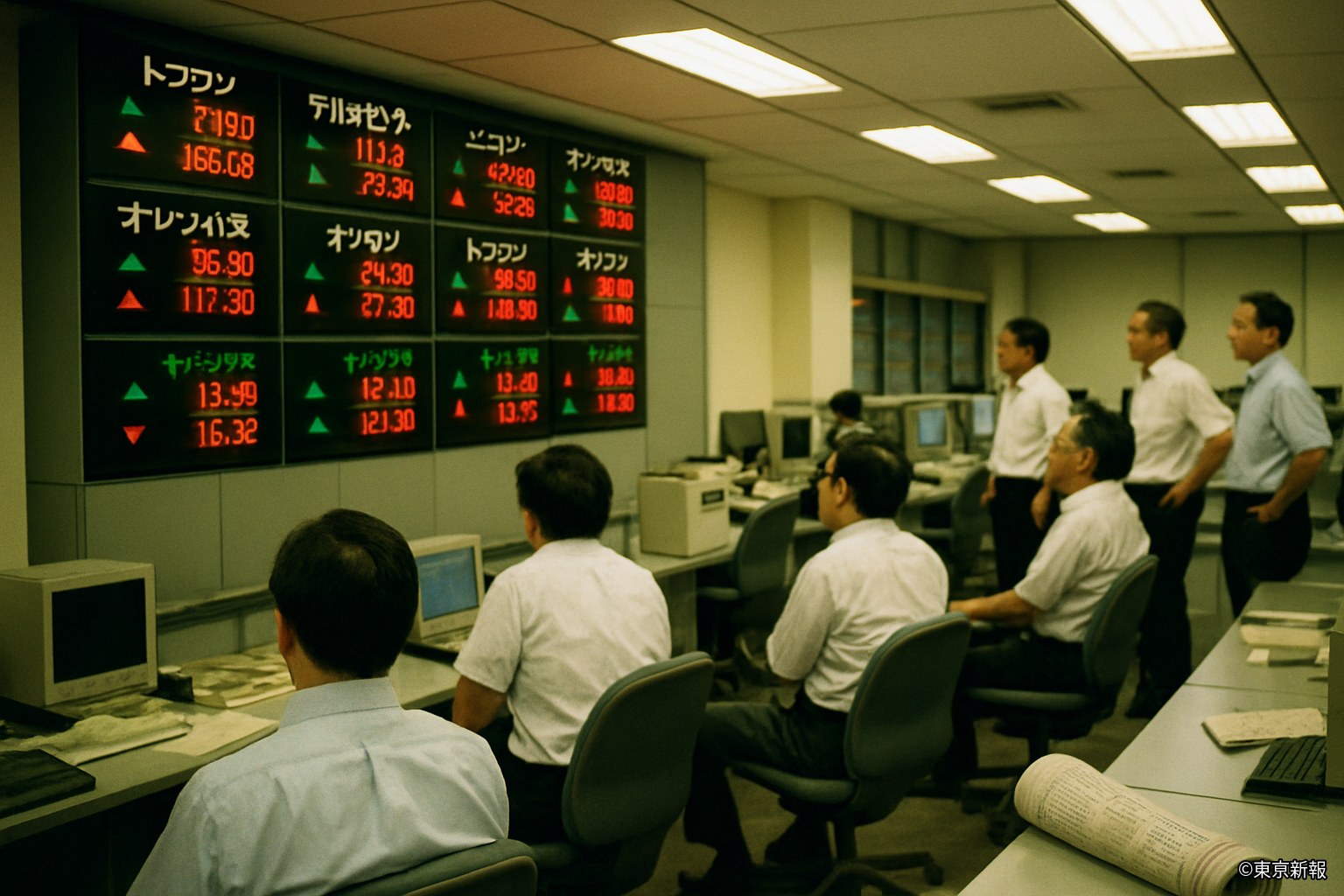
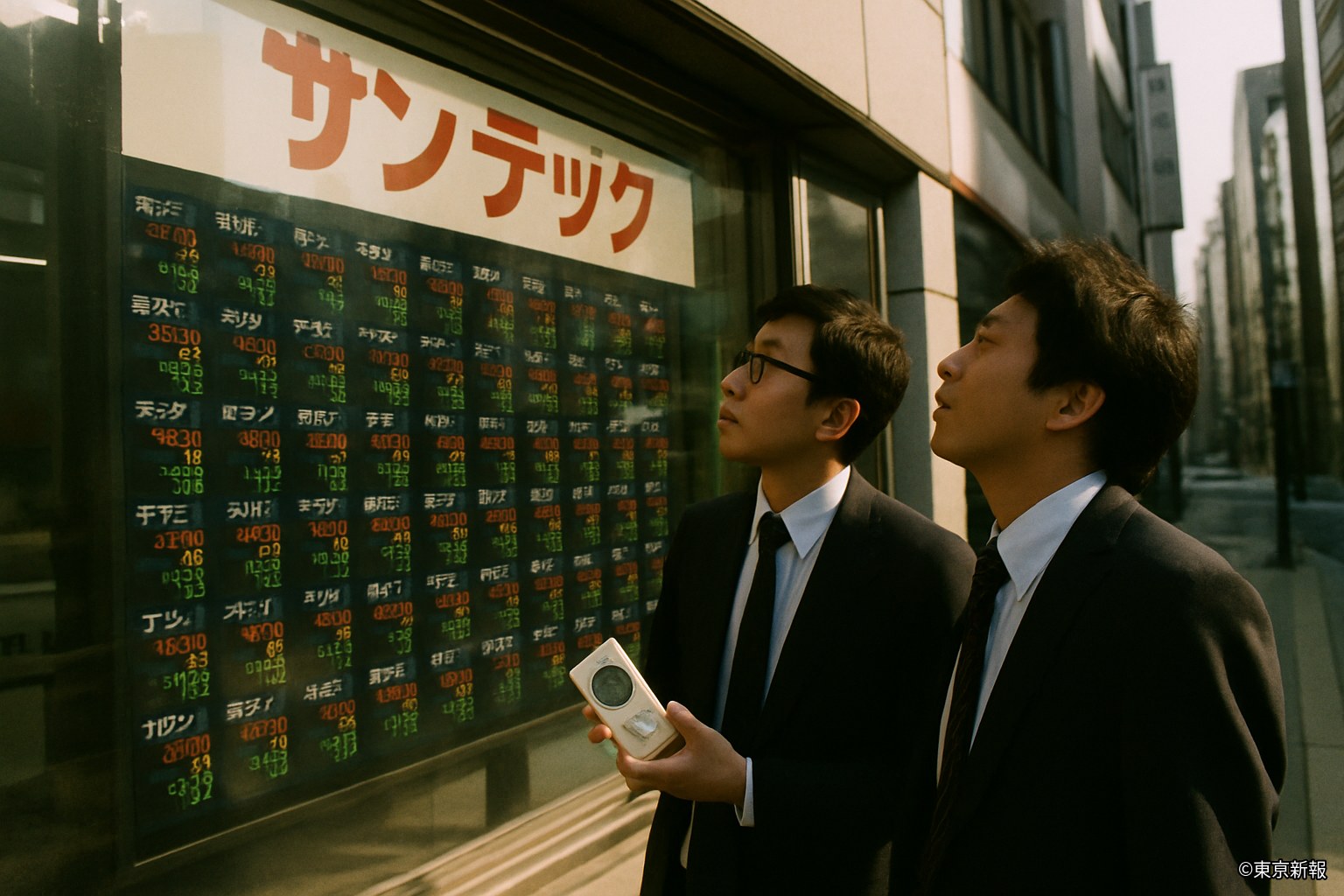
Observation-sector shares on the Tokei Exchange — the so-called 'index rally' stocks — swung sharply on the 10th amid headlines from the 'Window Treaty' negotiations. Hayatani Instruments, previously reported, fell more than 4% from the previous day, while money flowed into up-and-coming Tokei Precision Optics on hopes of domestic substitution. An informal signal from the Federal Republic of Deutsche over parts supply continues to weigh on the market.
Among the shares now routinely called "index rally" stocks, Hayatani Instruments — long the sector's bellwether, previously reported — closed down 4.3% from the previous day on the 10th, its steepest one-day drop since it set a record high in late August. "There's a growing view that if the Window Treaty ends up requiring technology transfer to allies, it would erode domestic makers' edge," a brokerage representative explained.
Money flowed instead into Tokei Precision Optics, an up-and-coming maker of precision optical components, whose shares briefly hit their daily limit up on the 10th. As previously reported, the window rig has long depended on precision optics supplied by the Federal Republic of Deutsche; with Deutsche reportedly signaling informally that it will not supply parts under a treaty that "opens the way to military use," industry sources say several firms are exploring domestic alternatives. "Multiple companies, including ours, have started looking at suppliers besides Deutsche," one industry insider said on condition of anonymity. "Tokei Precision Optics is widely seen as the frontrunner." The company itself declined to comment on any specific supplier relationship.
Deutsche remains the principal supplier of the window rig's precision optics, and Hinokuni's rigs, as previously reported, cannot be built without Deutsche optics and Tai'ei semiconductors. Reports say Hinokuni again pressed Deutsche for clarity at the 9th's working session, but no formal position has been stated, leaving the matter, as before, an unconfirmed informal signal. "With no official announcement, prices move easily on speculation," one market participant said. "Neither the bad news nor the good news here has actually been confirmed yet."
The Tokei Drift Index (TDI), traded as futures on the Seishu exchange and previously reported, also saw unusually choppy trading on the 10th. The TDI is best known for tracking the link between the permeation index and insurance rates, but this appears to be a rare case of treaty headlines themselves moving the contract. "This is close to the first time the TDI has directly reflected policy risk in the observation industry," a Seishu market source said. "The market itself isn't used to pricing this kind of news yet."
An analyst at a private research firm unrelated to the Tokei Logistics Research Institute said, "The Window Treaty puts Hinokuni's observation industry in a lose-lose position — grant access and lose market share, withhold it and strain relations with an ally. It's no surprise the stock is swinging." The analyst added, "Tomorrow, the 11th, is billed as the final day of talks, but there's a good chance it won't be settled. If this drags on, the market will keep riding these swings."
The Tokei Exchange issued no special advisory on the 10th, though sources say it is watching individual observation-sector shares closely. The market's near-term focus is on how the 11th's session unfolds and whether Deutsche issues any formal position. "The numbers are honest," this reporter noted. "Nothing shakes a share price like something still undecided."