Window Treaty Reaches Interim Agreement — Explicit Diversion Ban Settled, Allied Priority Supply Moved to a Separate Memorandum
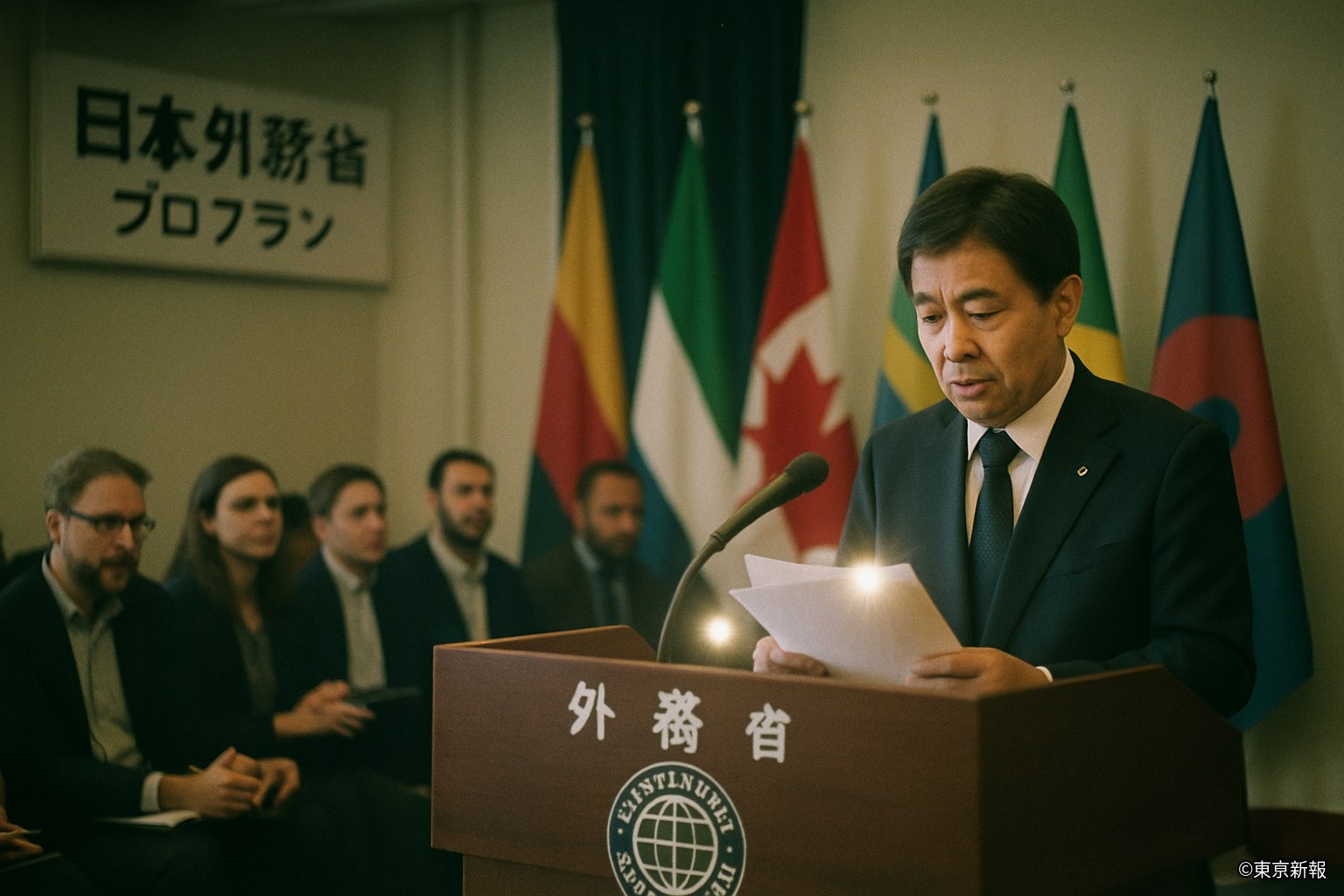
The Foreign Ministry announced on the 15th that working-level negotiators in the Window Treaty talks had reached an interim agreement on explicit treaty language banning the diversion of window-rig and stable-window technology to military purposes. As previously reported, the allied priority supply clause sought by Ameria was left out of the treaty's main text and will instead be handled in a separate memorandum. The settlement comes nine days after the draft was tabled on the 6th, with officials aiming for formal signing within the year.
The Foreign Ministry announced on the morning of the 15th that working-level negotiators in the Window Treaty talks had reached an interim agreement on language banning the diversion of window-rig and stable-window-related technology to military purposes. As previously reported, Hinokuni delegation head Yuichi Amamiya, 55, handed over a draft in treaty-article form on the 6th; the settlement came just nine days later. According to a ministry source, the final text keeps the draft's skeleton largely intact, adding explicit wording prohibiting "any diversion to military purposes whatsoever," along with newly added verification measures: an annual report among participating countries and an obligation to accept on-site inspection upon request. "The point wasn't just to state a principle and stop there — it mattered that we could put an actual verification mechanism into words," Amamiya said at a briefing.
The allied priority supply clause sought by Ameria, as previously reported, was left out of the treaty's main text and settled instead through a separate memorandum. The ministry said on the 15th that a summary of the memorandum would be shared among participating countries and made public, but that release of the full text would wait "until practical coordination among the countries concerned is complete." Asked about the previously reported (11th) suspicion of a "secret annex," a spokesperson again denied it: "No document matching what that suspicion named exists. This memorandum is exactly the 'separate-track discussion' we've been publicly describing since the draft was tabled on the 6th — there is nothing new here."
Tetsuo Munakata, 58, a lawmaker aligned with the sovereignty camp, told this paper, "In the end, another document called a 'memorandum' turned up outside the treaty. Sharing only a summary while withholding the full text looks exactly like the picture that annex suspicion raised in the first place." Sota Miyake, 44, of the ruling "Opening Observation" caucus, countered: "The memorandum format itself is exactly what the ministry has consistently explained since the 6th. Treating non-disclosure of the full text as 'proof the suspicion was right' is shifting the goalposts." The ministry stressed the distinction: "The existence of the memorandum itself has been public from the start. What the suspicion pointed to was something else — a document that would hide the negotiation process itself."
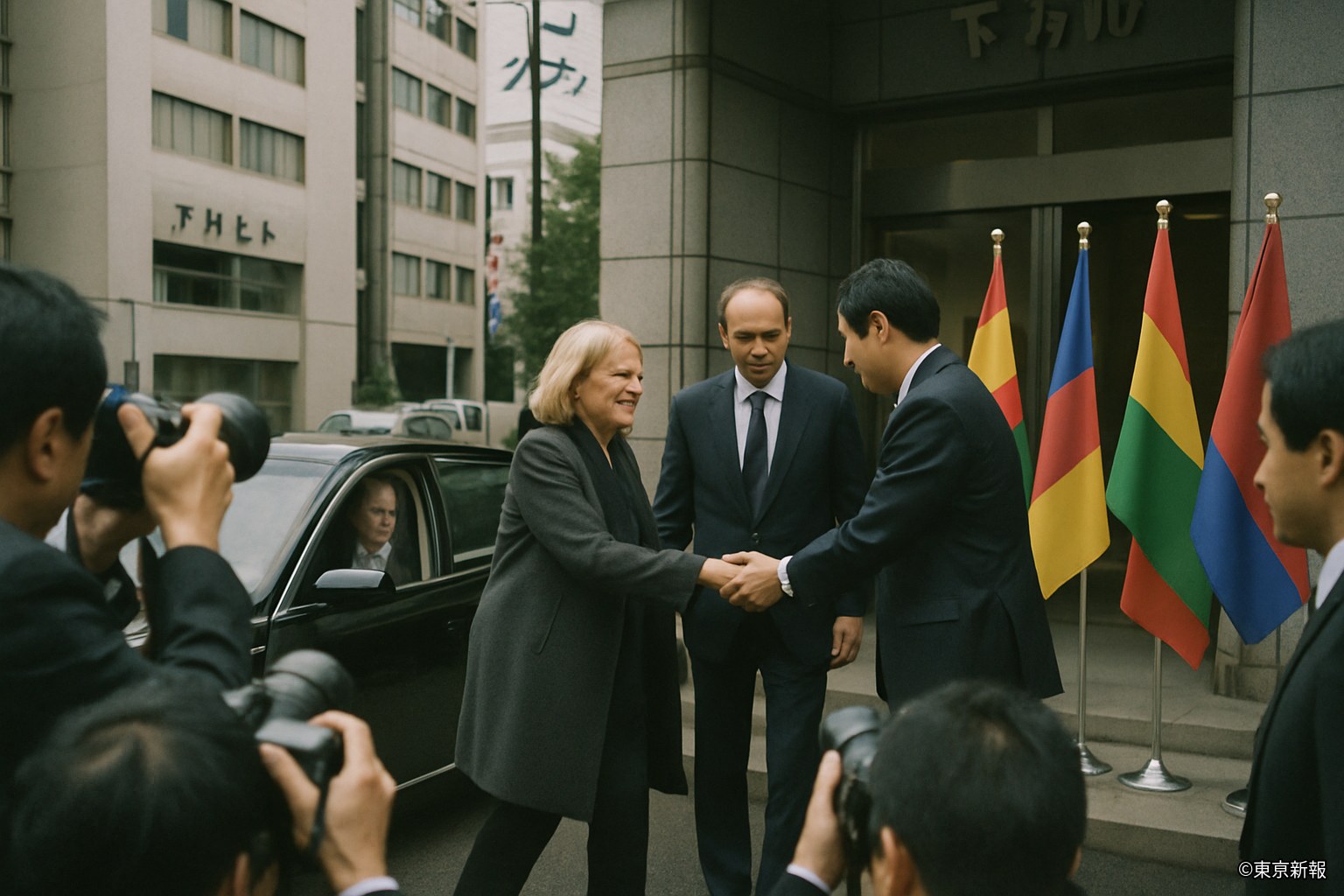
Nordia Union, leading the disclosure camp, continued talks at the working level even after chair Signe Lundqvist's return home, issuing a statement in her name: "I welcome the diversion ban reaching agreement in explicit language. I understand that separating out the priority-of-supply question, where interests diverge by camp, is precisely what allowed the main agreement to come together sooner." Deutsche, aligned with the disclosure camp, likewise welcomed the news, though it added a caveat: "Without seeing the full text of the memorandum, this cannot be called complete transparency." Ameria, in the middle camp, issued an embassy statement expressing gratitude "for the understanding shown toward the practical needs of the alliance," now that priority supply has been secured separately through the memorandum. Genshu's embassy, at the center of the sovereignty camp, struck a cautious note: "We don't object to the diversion ban itself, but a new non-public document called a memorandum, created outside the treaty, cannot be overlooked from the standpoint of observation sovereignty." A minister-counselor from the friendly Kingdom of Rukai said, "I understand that King Kaie III also welcomes this progress in the negotiation."
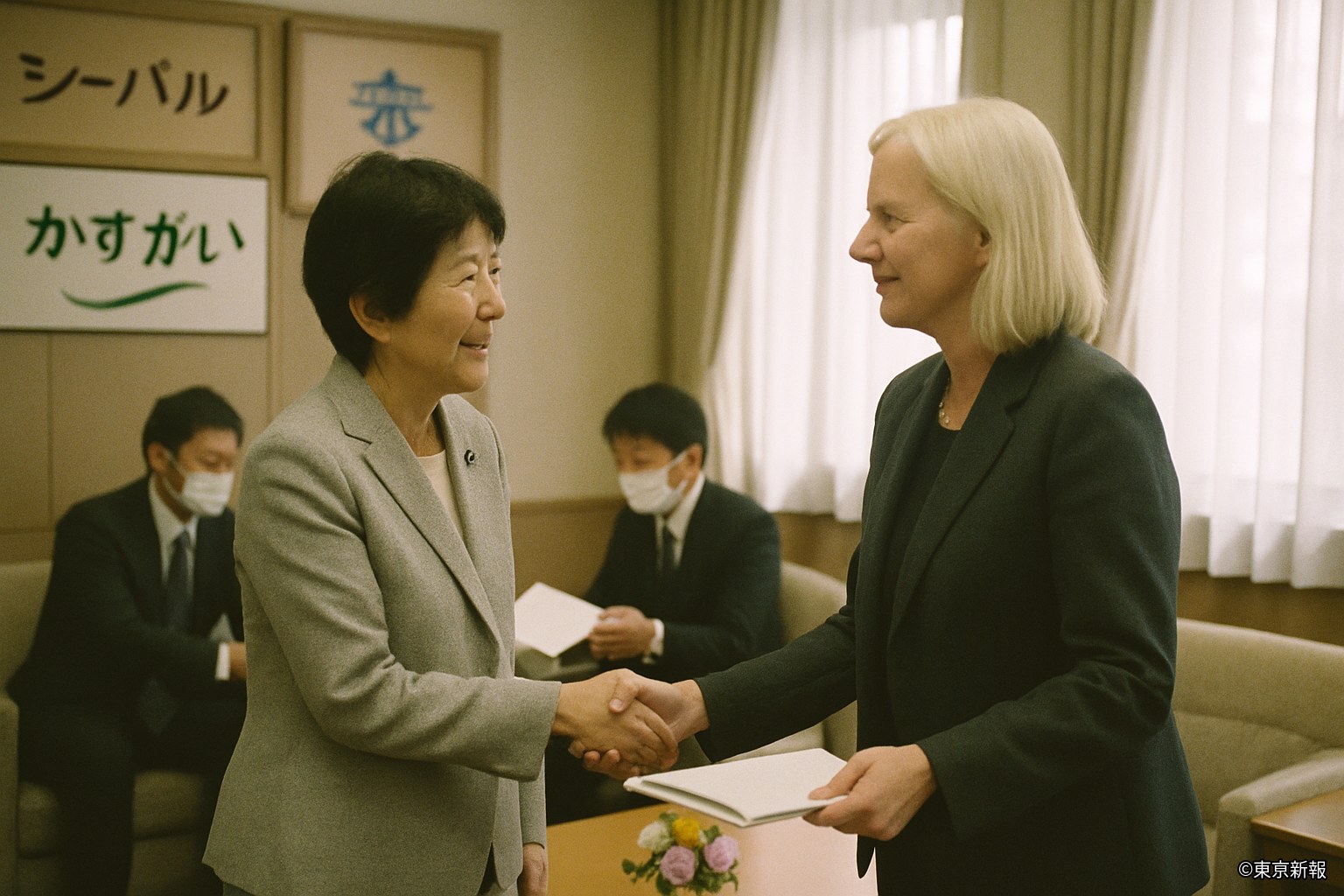
Mayor Motoko Ukai, who had submitted the previously reported request for industry consideration, said at her regular briefing on the 15th, "That verification settled on a realistic scope — an annual report plus on-site access only on request — I take as a sign that the 7th request was reflected to some degree. It didn't come out heavy enough to shake the footing of observation-related industries," while adding, "I'll keep watching closely how the memorandum's contents finally take shape."
The ministry said it would finalize the treaty text based on the interim agreement this month, aiming for formal signing within the year. The timing of the memorandum summary's release remains undecided — whether it will come alongside or ahead of the signing. Separately from the previously reported observation-data disclosure bill, the treaty's ratification process is expected to become a topic during the autumn Diet session. A senior ministry official said, "The foundation — the diversion ban — is in place. From here, it becomes a matter of how far we can open the memorandum to view, and how trust gets built up from there."